

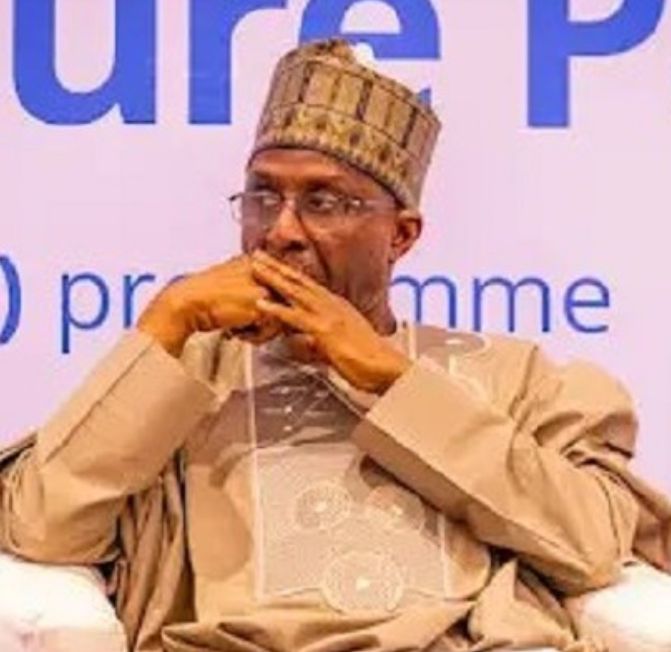
Nigeria’s Minister of Environment, Balarabe Lawal has made it clear that the country is determined to collaborate with relevant stakeholders to sustain mangrove ecosystem and boost its blue economy through the promotion of climate-resilient livelihoods.
The Minister who, spoke at a workshop on the final evaluation and closure of the UK PACT-UN Food and Agriculture Organisation (FAO) project in Abuja, expressed Nigeria’s appreciation for the valuable partnership of the UK government through the project.
The workshop is themed: “Sustaining integrated mangrove ecosystem management in Nigeria: From achievements to future pathways.”
The event marked the end of the project, which focused on integrated management of mangrove ecosystems and expansion of social protection for fisheries and forest dependents in the coastal communities of Cross River.
Balarabe Lawal said that the workshop helped in promoting climate resilience, biodiversity conservation, and sustainable livelihoods.
“As this project comes to a close, our focus must shift to sustaining and scaling its achievements.
“We must strengthen community ownership, expand restoration efforts, promote climate-resilient livelihoods.
“We must leverage emerging opportunities in the blue economy and carbon markets.
“Our ministry remains steadfast working with all stakeholders; to consolidate and scale up the gains achieved under this project.”
He said that Nigeria would advance implementation of its Nationally Determined Contributions, National Adaptation Plan, commitments under the Ramsar Convention on Wetlands, and obligations under the Paris Agreement and Sustainable Development Goals.
He decried the challenges of increased environmental pressure, unsustainable resource utilisation, and climate-related issues, which threaten the ecosystem.
He said that the project demonstrated that environmental collaboration and socio-economic development could be pursued simultaneously.
“The project paved the way for mangrove restoration and sustainable management initiative, capacity building, promotion of alternative land use, strengthening of community institutions, and support for biodiversity-free and forest-dependent households.
Dr Hussein Gadain, UN FAO Representative to Nigeria and ECOWAS said that the project demonstrated that when communities, governments, development partners and other stakeholders work together, transformative change is possible.
“The project has laid a strong foundation for sustainability through the registration of 50 cooperatives, thereby strengthening local institutions and supporting alignment with national climate, environmental, and social protection priorities,” Gadain said.
The project, which started in 2023 ended yesterday, June 16, with a total of 4,827 beneficiaries, 66 per cent of them women, trained on climate-smart agriculture, forestry, and fisheries.
It was funded by the UK and Northern Ireland, and implemented by FAO, in partnership with the British High Commission in Nigeria, and the Government of Cross River State.
The project aimed to strengthen climate resilience and sustainable livelihoods across 50 coastal communities, which included Akpabuyo, Bakassi, Calabar Municipality, Calabar South, and Odukpani Local Government Areas.