


With the 2026 rainy season around the corner, experts have issued an alert, warning of what they called “severe flooding, disease outbreaks, water contamination and prolonged electricity outages.”
They stressed that adequate preparation could mean the difference between life and death.
The advisory, based on reports from the Nigerian Meteorological Agency (NiMet), the Nigeria Hydrological Services Agency (NiHSA), the Nigeria Centre for Disease Control and Prevention (NCDC) and the Transmission Company of Nigeria (TCN), identified the period between July and September as the most critical phase of the rainy season.
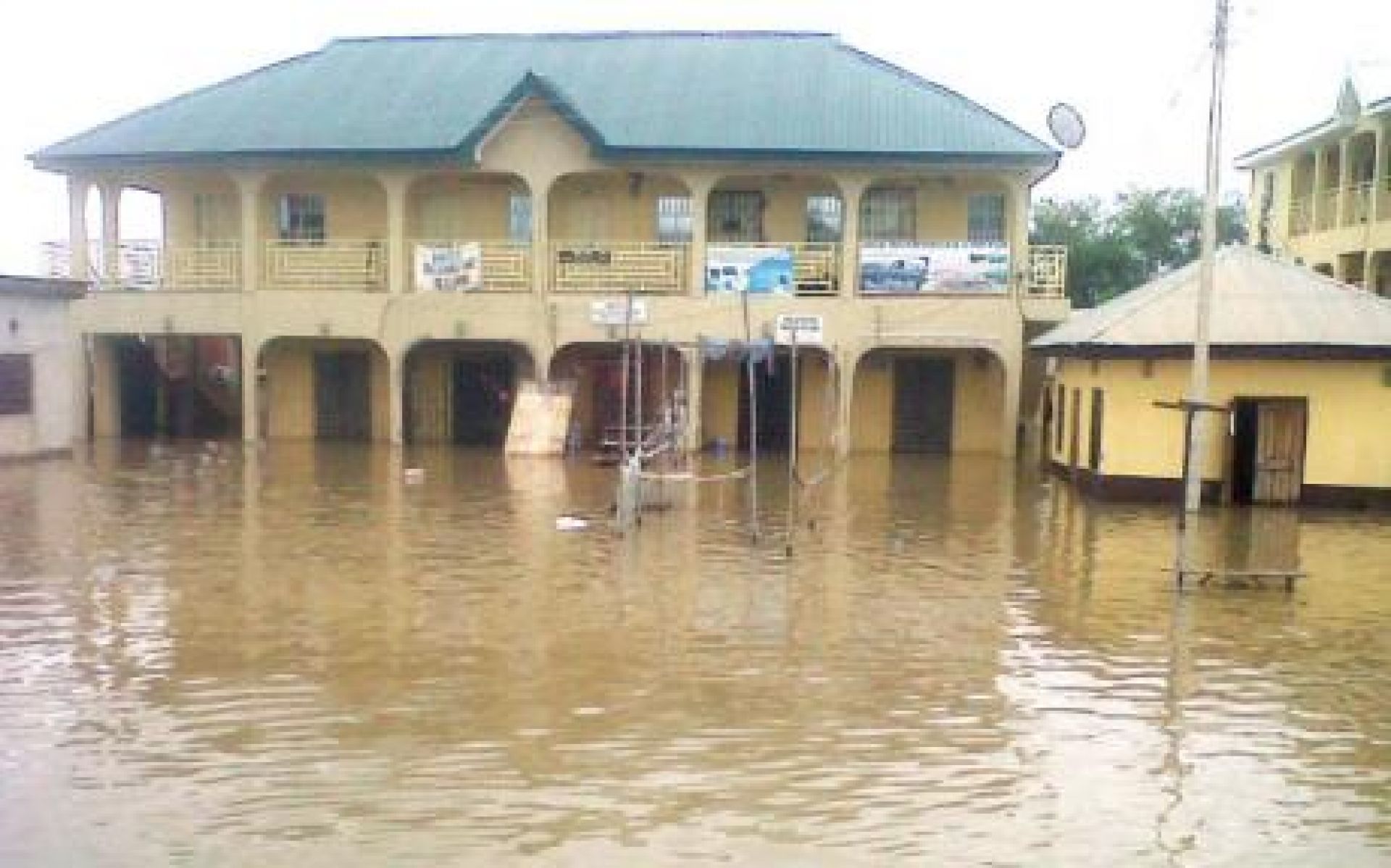
According to the agencies, flooding is expected to intensify across 33 states and the Federal Capital Territory (FCT), placing more than 14,000 communities at risk.
The advisory noted that continuous rainfall has left soils across much of the country saturated, reducing their ability to absorb additional water and increasing the likelihood of devastating floods.
Major urban centres, including Lagos, Abuja, Port Harcourt, Kano, Benue, Kogi, Kaduna, Oyo and several coastal states, were identified as areas likely to experience severe urban flooding.
Experts stressed that this year’s rainfall is heavier and less predictable than in previous years, urging citizens to embrace preparedness instead of panic.
The report also warned Nigerians to prepare for prolonged power outages following heavy flooding.
According to TCN, floodwaters have already forced the shutdown of major electricity substations, including those at Oworonshoki and Lekki in Lagos, while transmission towers in Osogbo have also suffered significant damage.
Submerged transformers and control cables, the advisory said, have made repairs difficult, with engineers unable to restore power until floodwaters recede.
Residents were advised to expect electricity outages lasting between three and seven days after major flooding and to unplug electrical appliances during thunderstorms to prevent damage from power surges.
One of the most alarming aspects of the advisory concerns the safety of drinking water nationwide.
Experts warned that floodwaters have contaminated underground water sources that supply millions of boreholes, sachet water factories, bottled water producers and household storage systems.
The advisory cautioned that water previously considered safe may now contain sewage, refuse and other harmful contaminants washed into groundwater by flooding.
It therefore called on the National Agency for Food and Drug Administration and Control (NAFDAC) to urgently intensify testing of finished water products from registered and unregistered producers across the country to ensure public safety.
Pending such verification, households have been advised to boil or chlorinate all drinking water obtained from boreholes, wells, sachet water, bottled water and dispensers before consumption.
Health experts also warned that flood conditions create ideal environments for the spread of infectious diseases.
According to the NCDC, cholera, typhoid fever, malaria, dengue fever, yellow fever and Lassa fever are among the diseases expected to increase during the rainy season.
Floodwaters contaminated with sewage can spread cholera and typhoid, while stagnant pools of water become breeding grounds for mosquitoes responsible for malaria, dengue and yellow fever.
In addition, floods often displace snakes and rodents into residential areas, increasing the risk of snake bites and the spread of Lassa fever.
The advisory debunked the widespread misconception that cold weather or sleeping under a fan causes illness, explaining that most rainy season diseases are transmitted through contaminated water, poor sanitation and mosquito bites.
To reduce the risks, Nigerians have been urged to adopt a seven-point household safety plan.
The recommendations include boiling or chlorinating all drinking water, clearing drainage channels regularly, eliminating stagnant water around homes, sleeping under insecticide-treated mosquito nets, using mosquito repellents, maintaining proper food hygiene, preparing emergency power supplies such as rechargeable lamps and power banks, protecting homes against flooding with sandbags where necessary, sealing entry points against snakes and rodents, and seeking immediate medical attention for symptoms such as diarrhoea, vomiting and fever instead of resorting to self-medication.
Residents whose homes become flooded were also advised to switch off electricity from a safe location before entering flooded buildings, avoid walking barefoot in floodwaters because of the risks of electrocution, snake bites and contaminated objects, and relocate immediately to higher ground or designated emergency shelters where necessary.
The advisory called for collective national action, stressing that no part of Nigeria is immune from the impact of this year’s rains.
While acknowledging ongoing flood-control efforts by government agencies, the experts maintained that household preparedness remains the country’s first line of defence against preventable deaths and disease outbreaks.
Citizens were urged not to assume that borehole water or sachet water remains safe after flooding and to take preventive measures by treating drinking water, observing proper hygiene and paying close attention to official weather and emergency alerts throughout the rainy season.
The advisory was compiled from national updates issued in July 2026 by NiMet, NiHSA, the NCDC and the TCN.
Source: The Guardian Nigeria.