The Presidency has made it clear that protests against trusted aides of President Muhammadu Buhari would not change the way the President is doing his things.
“One thing to note is that this President is not the kind that can be swayed by this chicanery. He has a mind of his own and he alone will decide who he will work with and who he will send away. In effect, this demonstration will change nothing.”
These were contained in a statement today, June 25, by the senor special assistant to the President on media and publicity, Malam Garba Shehu, reacting to a protest yesterday, Monday by the Concerned APC National Stakeholders (CANS) calling on President Buhari to sack some of his trusted allies described as “cabal.”
“You are going to see more of such sponsored protests. In one of the hotels here in the federal capital, there is shop that sells packages of protests.
“At a given fee, they will write the protest speech, the placards and give you the marchers, men and women as well as the lead speaker who in many cases is a lawyer.
“So, we are not surprised at all. Very soon, reporters and photographers will be buying this service to attack editors they don’t like.”
Presidential candidate of the opposition Peoples Democratic Party (PDP), Atiku Abubakar has asked the Presidency not to celebrate the ruling by the Presidential Election Tribunal yesterday over the controversial Independent National Electoral Commission (INEC) server.
In a statement today, June 25 by his spokesman, Paul Ibe, the PDP candidate said: “the celebration by the administration of General Buhari that their electoral heist has been covered is premature.”
He referred to the statement from Aso Rock Villa, wherein spokesperson for Buhari praised the ruling of the Presidential Election Tribunal, “which ‘rejected’ the request by the presidential candidate of the Peoples Democratic Party, Atiku Abubakar, and the Peoples Democratic Party, to compel the Independent National Electoral Commission to grant access to their server used for the 2019 presidential election.
“After praising the so-called “landmark ruling,” the statement went on to claim that “the existence of a purported server is being contested and if a purported inspection had been allowed at this stage, it would have amounted to the determination that it indeed existed even when its existence is being contested.”
“Our response is to plead vindication of our case that not only did Atiku Abubakar win the February 23, 2019 elections, but that the administration of General Muhammadu Buhari lacks executive temperament and capacity as we will now establish.”
Atiku said that the Tribunal did not reject his, and the Peoples Democratic Party’s request to inspect the server of the Independent National Electoral Commission, but that the server issue is still at preliminary stages “and the main case HAS NOT begun and that the matter of granting access to inspect the INEC server is not relevant to the preliminary stages. It is a matter to be adjudicated upon when the case proper is being heard.
“Their giddiness has even blinded them to the eye witness testimony given to multiple media in interviews by staff of the Independent National Electoral Commission that there is indeed a server and that they actually submitted results and accreditation through it.
“In their rush to claim a Pyrrhic victory, the General Buhari administration missed out the fact that the 2019 budget has multiple line items for procurement, maintenance and service of the server they claim does not exist.
“Furthermore, the statement tried to spin the recent verdict on the election passed by the EU election observers. For the avoidance of doubt, what the EU report said is that the 2019 elections had SIGNIFICANT defects and fell short of the 2019 elections. It should be noted that one of the issues they raised is the attempt to muzzle not just the media, but more importantly, the judiciary.
“In the light of this, we remind those who are gloating in their ignorance that ‘he who laughs last, laughs best’.
“The last has not been heard of this matter and we eagerly anticipate the ACTUAL ruling of the Tribunal when the case proper begins.”
Leadership of the Southwest socio cultural body, Afenifere stormed Aso Rock Presidential Villa, Abuja today, June 25 with five-point demands for President Muhammadu Buhari.
Speaking on behalf of the group, Senator Olabiyi Durojaiye, reminded the President of the support the Southwest gave in the recently concluded general elections in the country.
“We are proud of our contributions to your victory through the Yoruba Summit Conference held at the University of Ibadan International Conference Centre on January 29, 2019. There, we passed a well-applauded motion urging all the people of Western Nigeria origin of voting age to vote for your re-election by virtue of your people-oriented and welfarist APC political programmes and performance and performance. We are happy the people complied.
“We are also here to commend Your Excellency for your recognition of June 12 as a landmark in the political history of Nigeria and for naming the National Stadium in Abuja after Chief MKO Abiola, the hero of Nigeria’s pro-Democracy struggle.
“We are equally glad to note and commend Your Excellency for your efforts to empower the 36 States in Nigeria to have control of the Police as a measure of improving security and for your giant stride in the field of Agriculture, social intervention, revival and modernization of rail transportation, continuing efforts to complete the Lagos-Ibadan Expressway among other achievements.”
Afenifere went on to present the five-point request for the progress and happiness of the people in the region and across the country.
On security, the group said that despite the huge cost, it should be considered worthwhile to take a bold step in combating crime and improving on security by improving on the apparent shortage of the manpower in the Nigeria Police Force and by extending control of the Police from the State to Local Government level.
“By this, we humbly suggest that Mr. President should reflect deeply and consider recruitment, training, equipment and deployment of Nigerian Police on the basis of 774 Local Governments listed in the First Schedule of the 1999 Constitution of the Federal Republic of Nigeria.
“Added to this is training of the general public on the need to improve on their individual vigilance and awareness of movement of strangers passing through or moving into their neighborhood. Imbibing such habit and practice will be a tremendous help or service to the Police and other security Agents as regards “Intelligence” support especially now that must people have access to individual means of communication (telephone handsets).”
Afenifere said that in their desire to supplement the efforts of the President, the newly elected Governors of Western Nigeria extraction, have held a meeting in Ibadan to map out strategies to eradicate kidnapping and violent attacks. “They and other states will surely need more financial subvention and support.”
On education, the group recalled that free universal and compulsory education had been practiced with remarkable success in some parts of Nigeria in the past, saying that the President might consider re-introducing the programme and make it compulsory at all levels and all over the country as a lasting gift to Nigeria in his final term in office.
“Such a bold step though very expensive will revolutionize and catapult the entire nation to the NEXT HIGHER LEVEL
“One of the obvious advantages that will accrue from Education Programme referred to in paragraph 2 above which will include Basic, Technical, Skill Acquisition, Digitalization and ICT Programmes will be to Open wide gates to Youth Employment in Nigeria and in the Diaspora.
“Thank you, Mr. President, for re-introducing HISTORY in our school curriculum. By doing this, you have told us fellow-Nigerians a proverb of world-famous Roman Senator, Lawyer and Orator MARCUS TULIUS CICERO. He said and I quote “NOT TO KNOW WHAT HAPPENED BEFORE YOU WERE BORN, IS TO LIVE THE LIFE OF AN INFANT FOR EVER!”
On Federalism, the group recommended “clinging to the spirit and letters of our Federal Constitution. This is one sure way of achieving the desired goal of unity even in diversity, mutual respect, tolerance and giving true meaning to the opening phrase of our Constitution that is, “WE THE PEOPLE”.
“We will be a greater nation if we sincerely practice true Federalism and THINK and ACT as NIGERIANS rather than as champions of the smaller units we were born into. Our big size is an asset worthy of preservation. Good examples of big size, hard work and prudent spending are the USA, China and India. It is not with violence or hate speeches but with mutual trust, self-respect and tolerance that we will speedily achieve the lofty destiny of this great country, NIGERIA.
“5: Power Supply and Agriculture: We have already commended your Administration on its remarkable achievements in the field of agriculture. But the country asks for more, especially in the Field of afforestation, irrigation and revival of those agricultural products like Cocoa, Groundnut, Cotton, Palm Products and processing them for domestic consumption and export as Malaysia which borrowed seedlings from us has now gone far
ahead of us.
“As to Electricity, we are aware of your efforts which must be more than doubled to improve on the pace of industrialization, productivity and more comfort for all Nigerians.”
The Presidential Election Petition Tribunal sitting in Abuja, has educated the Peoples Democratic Party, PDP, and its candidate, Atiku Abubakar on the issue of court discretion vis a vis their request to be granted access to inspect the central server of the Independent National Electoral Commission (INEC) in respect of the February 23 presidential election.
The tribunal, in a unanimous decision today, June 24 by a five-member panel of Justices, said the request could not be granted since the issue of whether such central server existed or not, is already a subject of controversy in the substantive petition that is challenging President Muhammadu Buhari’s re-election.
The Tribunal said that the fact that all the parties to the petition have joined issues on whether or not the said server was used for the collation and transmission of results of the election, granting the joint application by PDP and Atiku, would amount to delving into the main case.
According to the tribunal, allowing the application would amount to prejudging of “fundamental issues already raised by the parties on the substantive matter.”
The Chairman of the tribunal, Justice Mohammed Garba who delivered the lead ruling, held that the Supreme Court had on plethora of decided cases, warned that issue that formed the crux of a dispute before any court should not be determined at the interlocutory stage.
He held that the law bestowed the tribunal with discretionary powers to grant or refuse the application, saying “the court will be willing to exercise its discretion in favour of the Applicant, where there are reasons to do so.
“Such discretion must be properly exercised, judiciously and judicially. It follows therefore that the exercise of discretion is one of the strongest weapons of the court of law which must not be exercised in vacuum.”
Justice Garba said that whereas the petitioners maintained that results of the election were indeed collated and transmitted to a central server, on the other hand, INEC, said it was not in possession or aware of the existence of such server.
He held that since the other respondents to the petition- President Buhari and the All Progressives Congress, APC- equally challenged the existence of the server and urged the tribunal to uphold the result that was declared by INEC, acceding to the petitioners’ application, would prejudice the entire petition.
According to the Judge, allowing the petitioners to inspect the controversial server would amount to “resolving the disputed issue regarding the central server and electronic transmission of results of the presidential election” at the preliminary stage of the proceedings.
“It will not be expedient that the court should grant prayers contained in the application.”
Justice Garba said it would amount to “resolving the disputed issue regarding the central server and electronic transmission of results of the presidential election”, at the preliminary stage of the proceedings.
“The scenario will be unpalatable and will create the impression that the court has indeed recognised the existence of a central server and that the result was electronically transmitted. “The law is settled that the court should ensure caution while dealing with interlocutory application so as not to make any observation that affects the substantive case.”
The tribunal also declined the petitioners’ request to be granted access to data that were captured by all the Smart Card Reader Machines that were deployed for the presidential Poll.
Immediately after the ruling, the PDP and Atiku, via one of the senior members of his legal team, Chief Chris Uche, SAN, told Journalists: “the nation was looking forward to this ruling and it is one that is very pivotal to this matter. The Electoral Act itself empowers the tribunal to grant access such as this to the petitioners in order to institute and maintain a petition, and that is what we are asking for.
“Somehow, at this stage, the court has ruled. But definitely this is a matter we want to take higher to the Supreme Court to challenge this ruling because we strongly feel that section 151 of the Electoral Act entitles us to have access to these materials.”
On its part, INEC, through its lawyer, Usman Uztaz, SAN, said that its client is satisfied with the ruling.
“These are issues to be tried during the hearing; you cannot try them in piecemeal.”
The electoral body had challenged the request, arguing that contrary to position of the petitioners, it did not electronically transmit results of the presidential election into any central server.
The Commission told the tribunal that it was not empowered by the Electoral Act, 2010, as amended, to embark on electronic transmission of results.
While denouncing what it described as details of “a strange server” that was provided by the petitioners, INEC, maintained that the result it declared in President Buhari’s favour, “was a true reflection of what was collated.”
Also, President Buhari, through his team of lawyers led by Chief Wole Olanipekun, SAN, as well as counsel to the APC, Prince Lateef Fagbemi, SAN, urged the tribunal to reject the application they said was based “on speculation and conjectures”.
President Buhari argued that he was validly re-elected, having secured the majority of lawful votes cast.
The Presidency is celebrating what it called “a landmark ruling by the Presidential Election Tribunal,” on the issue of central server of the Independent National Electoral Commission (INEC).
It condemned what it called “a desperate attempt by the Peoples Democratic Party (PDP) to overreach judicial process” which “was overwhelmingly rejected by a unanimous decision and the long standing principle of law has once again been re-enacted.”
A statement by the senior special assistant to President Muhammadu Buhari on media and publicity, Malam Garba Shehu, said that the attempt by the PDP to cause the determination of an issue that constitutes the fulcrum of contention between the parties, at an interlocutory stage, has again been rejected by the tribunal.
It said that what this means is that Justice and fair hearing through due contest by the parties of a major issue for determination remains sacrosanct and remains considerable by the tribunal upon according parties just and fair hearing and not the other way round.
“The election petitions tribunal unanimously rejected the PDP’s request to inspect a server which existence is being disputed.
“The existence of a purported server is being contested and if a purported inspection had been allowed at this stage, it would have amounted to the determination that it indeed existed even when its existence is being contested.
“The electoral law prescribes manual transmission of results only and this was what the Independent National Electoral Commission (INEC) did, in obedience to the law as witnessed by real electoral observers.
“YIAGA Africa deployed 3906 real individuals to run a parallel tabulation which returned the same results the INEC announced.
“Last week, the final reports of the International Republican Institute and National Democratic Institute (IRI/NDI) electoral observer mission made clear that the results of the election reflected the votes cast.
“President Muhammadu Buhari won with a majority of four million votes and because only real votes matter, INEC announced him as the winner of the 2019 presidential election.”
The Rivers State Governor, Nyesom Ezenwo Wike has formally declared free primary and secondary education in the state, directing State-Owned Primary and Secondary Schools to stop collecting fees and levies from students and pupils with immediate effect.
The Governor said that from now on, State Government will be sending direct allocations to all primary and secondary schools management for their operations.
He spoke today, June 24 at a meeting with the heads of primary and secondary schools, Rivers State Senior Secondary Schools Board and State Universal Basic Education Board at the Government House Port Harcourt.
He said: “From today henceforth, no child either in primary and secondary schools should pay fees and levies in any school across the State.
“The monies you collect from these children are just used for your personal purposes. If I hear that any school head collects any fees or levies, be they examination , NECO or WAEC fees, that school head would be sanctioned.
“We shall not only dismiss the school head who collects fees or levies, we will prosecute the person involved.
“Government will work out grants that will be sent to the schools for their regular management and operations.”
Governor Wike directed the State Ministry of Education, the Rivers State Senior Secondary Schools Board and the State Universal Basic Education Board to monitor all public schools across the state to ensure compliance.
The Governor assured parents that his administration will remain committed to the provision of quality education, which is accessible to the less privileged.
“I have abolished all fees and levies and it will never happen again in our public primary and Secondary schools. Nobody should collect fees and levies from the children of the less privileged.”
The school heads celebrated the new directive of the Rivers State Governor.
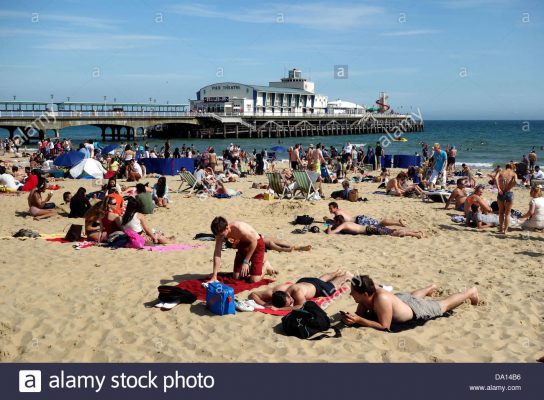
Meteorological agencies have forecasted the rise in temperatures of up to 40 degrees across continental Europe this week, the highest since 1947 in parts of France and Germany.
From Spain up to Switzerland, the weather is expected to average out at 40 degrees. Meteorological experts said high humidity could boost the 40 degrees to 47. The forecast said the weather would soar further later in the week.
The AEMET weather service forecast temperatures of 42C by Thursday in the Ebro, Tagus, Guadiana, and Guadalquivir valleys and warned of an “extreme risk” of forest fires in Spain, according to Guardian UK.
A Spanish TV meteorologist, Silvia Laplana, twitted today, June 24, by simply saying “hell is coming.”
This was even as the minister of Health in France, Agnès Buzyn said: “I’m worried about people who are downplaying this, who are continuing to exercise as usual or stay out in the sun.
“This affects all of us, nobody is a superman when it comes to dealing with the extreme heat. We are going to see on Thursday and Friday,” she informed a press conference, downplaying the powers of the comic superhero.
In Paris, the French capital ‘cool rooms’ have been installed in municipal buildings, pools have been opened for late-night swimming as well as placing extra drinking fountains with temperatures in the capital reaching 34 degrees today, Monday.
Hospitals across the continent are believed to be preparing for a busy time, as army doctors are expected to fill up an anticipated shortage of medical personnel in Italy.
The last intense heat wave to hit France in 2003, killed 15,000 mainly elderly men and women, with hospital staff getting overwhelmed.
In Frankfurt Germany, about 100 hours of sunshine is expected with the temperature expected to climax at 40 degrees.
School exams have been put off till next week and charities distributed water to homeless people.
Italian officials have also warned of the hazard posed by waste-strewn streets in the capital city, Rome.
Governor of the Central Bank of Nigeria (CBN), Godwin Emefiele has vowed to bring down inflation to single digit and accelerate the rate of employment in the country.
The Governor, who rolled out his agenda, as he settles to begin his second tenure of another five years, having just being re-appointed by President Muhammadu Buhari and confirmed by the Senate, stressed that the priority of the CBN under his leadership is to preserve domestic macroeconomic and financial stability.
Another one, Emefiele said, is to foster the development of a robust payments system infrastructure that will increase access to finance for all Nigerians thereby raising the financial inclusion rate in the country.
The CBN boss, who spoke to news men today, June 24, listed other priority area is the determination to continue to work with the Deposit Money Banks to improve access to credit for not only small holder farmers and MSMEs but also Consumer credit and mortgage facilities for bank customers.
“Our intervention support shall also be extended to our youth population who possess entrepreneurship skills in the creative industry.
“This group deserve our encouragement. We shall also during this intervening period, encourage our Deposit Money Banks to direct more focus in supporting the Education Sector. Fourth, grow our external reserves; and fifth, support efforts at diversifying the economy through our intervention programs in the agriculture and manufacturing sectors.
“We are confident that when implemented, these measures will help to insulate our economy from potential shocks in the global economy.
“In my second term in office, part of my pledge, is to work to the best of my abilities in fulfilling these objectives.”
The full text of the press conference is reproduced here:
Good morning Ladies and Gentlemen and thank you for your presence at this Press Briefing. You would all recall that on 05 June 2014; following my assumption of office as the Governor of the Central Bank of Nigeria, I addressed a similar gathering to share with you my vision for my first term in office.
It is in the same vein that we have called you again today to briefly reflect on our journey over the past 5 years, and outline our vision and policy thrust for the next 5 years.
But before I begin my remarks, please permit me to thank the Almighty God for giving me the opportunity to continue to serve our country again . I would also like to thank President Muhammadu Buhari (GCFR) for not only re-appointing me, but also for his support and confidence in the leadership of the Central Bank of Nigeria over the past 4 years. I thank the Nigerian Senate as well for confirming my nomination. Finally, I thank the management and staff of the Central Bank of Nigeria, for their hard work and dedication, particularly at moments when the Central Bank and indeed the Nigerian people faced difficult economic conditions.
Whatever achievements the CBN recorded in addressing those difficult conditions, was indeed reflective of the collective efforts of the management and staff of this great institution.
In my remarks today, I will be speaking on our efforts towards promoting price and monetary stability, exchange rate stability, financial system stability as well as our efforts to spur growth through our development finance interventions. Thereafter, I will speak on my vision for the Central Bank of Nigeria over the next five years, which is primarily driven by the need to support continued growth and development of the Nigerian Economy.
You will recall that during my maiden address on June 5, 2014, I stated that my vision would be to ensure that the Central Bank of Nigeria is more people focused, as its policies and programs would be geared towards supporting job creation, reducing the high level of Treasury-Bill rates, improving access to credit for MSMEs, deepening our intervention program in the Agricultural Sector, building a robust payment system infrastructure that will help drive inclusion, in addition to key macroeconomic concerns such as exchange rate stability, financial system stability and maintaining a strong external reserve.
As is the case with most plans, although most of the goals we set were achieved, I would be the first to admit that everything did not happen as contemplated. The normalization of monetary policy in the United States and the over 60 percent drop in crude oil prices between 2014 and 2016, had significant adverse consequences on our economy and made us adjust our methods to ensure that we still implemented most parts of our vision. Given Nigeria’s dependence on crude oil revenues for close to 86 percent of our foreign exchange earnings and over 60 percent of government expenditure, the drop-in prices led to heightened inflationary pressures, depreciation of our exchange rate, significant drop in our external reserves, and eventually, a recession set in during the 2nd Quarter of 2016.
With concerted efforts by the monetary and fiscal authorities we implemented a series of measures which led to the recovery of our economy from the recession by the 1st Quarter of 2017. Building on these efforts, I am delighted to note that our external reserves have risen from $23bn in October 2016 to over $45billion by June 2019.
Inflation has dropped from 18.72 percent in January 2017 to 11.40 percent in May 2019.
Our CBN purchasing manufacturers index has risen for 26 consecutive months since March 2017, indicating continuous growth in the manufacturing sector, as a result of measures implemented by the CBN which has improved access to raw materials and finance for manufacturing firms. GDP growth has risen for seven consecutive quarters following the recession, and our exchange rate has appreciated from over N525/$1 in February 2017 at the BDC window to N360/$1. With improved inflow of foreign exchange, the exchange rate has remained stable around N360/$1 for the past 27 months.
Recovery Efforts
Part of the measures we deployed to support the recovery include tightening of the monetary policy rate in order to rein in inflation; we also created an Investors and Exporters Window which allowed exporters and investors to inflow and sell their foreign exchange at the prevailing market rate. In order to reduce our reliance on the importation of items which could be produced in Nigeria, we restricted access to foreign exchange on 43 items, while deploying our intervention funds to support growth and productivity in the agricultural and manufacturing sectors. These measures helped to support the attainment of our monetary policy objectives such as a reduction in the inflation rate, stability in our exchange rate and improved accretion to our external reserves.
Financial System Stability
As some of you are aware, the drop-in commodity prices affected a good number of banks given their exposure to the oil and gas sector. Unfortunately, these resulted in an increase in Non- performing loans of our banks. As a result of risk management measures embarked upon by the CBN, capital adequacy and liquidity ratios of our commercial banks are now above the prudential level.
Capital Adequacy Ratio for the banking industry improved from 11 percent in June 2017 to over 16 percent in May 2019 and liquidity levels have also increased by over 20 percent within the same period. In addition, the ratio of non-performing loans in the banking system has reduced from 15 percent in June 2017 to 9 percent in May 2019, due to concerted efforts by the CBN and the DMBs, although more work is being done to moderate NPL levels to the maximum prescribed level of 5 percent. Our financial institutions are well positioned to perform their intermediation role, which will ultimately help in supporting the growth of our economy.
Access to Credit and Developmental Finance
As part of the goals set in 2014, we increased our development finance interventions in order to catalyze growth in critical sectors of the economy. Our objectives were driven by the need to increase investments by MSMEs as well as spur consumer spending, as these factors would have a positive impact on GDP growth and employment. Furthermore, our development finance efforts were driven by the need to reduce our reliance on revenues from crude oil.
At a point in our nation’s history, Nigeria survived on revenues from the non-oil sector, to the extent that we were a dominant exporter of agricultural produce into the global market. Some of these products include, Cocoa, Groundnuts, Cotton and Palm-Oil. Our focus in agriculture supported the raw material needs of our industrial sector and created employment opportunities for millions of Nigerians. Regrettably, the discovery of crude oil and the increasing reliance on crude oil revenues led to a severe downturn in the agriculture and manufacturing sectors, while also exposing our economy to the vulnerabilities that normally accompany an increased dependence on a single commodity for survival. For example, if Nigeria had maintained its market dominance in the palm oil industry, which stood at 40 percent in the 70s, we would be earning above $20 billion annually from cultivation and processing of palm oil today.
This would have provided a sufficient buffer for our nation following the drop in crude oil prices. Our situation is further worsened by the unpatriotic activities of some unscrupulous individuals and businesses who embarked on massive smuggling and dumping of goods that can be produced in the country thus leading to the demise of our agricultural and manufacturing sectors and hence the attendant high level of unemployment.
Fellow Nigerians, we have a responsibility to reverse the current ugly trend
where any external shock affecting oil producing countries bring us to our knees.
To correct this trend and as part of our intervention programs, we launched the Anchor Borrowers Program, which has improved access to finance for over 1m small holder farmers, who are leading our efforts to improve cultivation of agricultural commodities, such as rice, tomatoes, fish, cotton and palm oil. The Anchor Borrowers Program also enabled agro-processors and manufacturers to source their inputs from local sources, rather than relying on the importation of these items. We also deployed other intervention facilities such as the Commercial Agricultural Credit Scheme, and the Real Sector Support Fund. These funds were used to channel single digit interest loans through our Deposit Money Banks and other Participating Financial Institutions to beneficiaries to support improved growth in the agriculture and manufacturing sectors. The effectiveness of these interventions in supporting the growth of our local industries, has been supported by our FOREX restrictions on the importation of items that can be produced in Nigeria.
We also embarked on measures to discourage smuggling of restricted items into the country, by imposing restrictions on the use of financial institutions in Nigeria by identified smugglers, as their activities undermined the growth of our local industries. These measures are aiding our efforts to support local cultivation of goods in areas such as cotton, rice, palm oil etc.
We also sought to improve access to credit for MSMEs given the critical role they play in supporting the growth of our economy. Poor access to credit has been highlighted as a significant constraint to the growth of MSMEs. Moreover, given the impact of the recession, it was more important to restart the flow of credit to MSMEs to enable them engage in productive activities that would support growth. As part of efforts to support this objective, we created a N220bn MSME funds, which has been critical in supporting the growth of MSMEs in the agriculture and manufacturing sectors.
We set up the National Collateral Registry and supported the passage of legislation governing the activities of the National Collateral Registry and the Credit Bureaus. These measures have helped to encourage the flow of credit to SMEs by allowing them to provide movable assets as collateral in order to obtain finance from banks, relative to the previous process which required that they provide fixed assets. So far over N400 billion worth of assets have been registered in the collateral registry by MSMEs. The activities of the credit bureaus are also reducing the risk encountered by banks in lending to businesses, as it has helped to identify credit worthy borrowers.
These two initiatives contributed to the improvement in Nigeria’s Doing Business Scorecard in the World Bank’s 2017 Doing Business Rankings of 180 countries, as Nigeria moved up by 24 points from 169 to 144.
Payment System
Conscious that over 40 percent of eligible Nigerians in 2015 lacked access to financial services, we embarked on a couple of steps to improve access to finance.
Through initiatives such as the Shared Agent Network Facility(SANEF) and the launch of our policy on Payment Service Banks, which enables non-banks to provide limited financial services, we sought to encourage the use of technological tools in improving access to finance for people who live in underserved parts of the country. We also set up a payment services management department solely dedicated to enabling the build-up of a robust payment systems infrastructure, while seeking to contain the risk to the financial system that could emerge from the use of digital channels. As a result of our efforts, the total volume of retail electronic payments has witnessed a threefold increase over the last five years. New financial access points are being created in parts of the North East and North West as a result of measures deployed by the Central Bank to extend financial services to the underserved in our rural communities.
Salary Bailout
The drop-in commodity prices and the resulting effects on government revenue, led to a severe drop in the earnings of most states in the country. Over 34 states incurred huge salary arrears and were unable to provide essential services, which led to the decision by the National Economic Council in June 2015, that the CBN work with Deposit Money Banks to provide support to state governments. In order to avert prolonged hardship in states, we provided an assistance program to states, which helped them to settle their overdue salary and pension obligations. These measures helped to ease some of the budget difficulties faced by state governments between 2015 – 2017.
It also provided enough cushion for states to begin to develop plans to generate revenue from alternative sources in an attempt to make the states economically viable.
Challenges
While these results are reassuring, I think it’s fair to state that our task of building a stronger economy is far from complete. The pace of GDP growth remains fragile and is below the rate of our annual population growth at 2.7 percent. The recovery of our economy from the recession has not resulted in a significant reduction in our unemployment rate. We are yet to see a substantial increase in credit to the private sector by our financial institutions.
The unexpected drop in crude prices given its impact on our economy also derailed our attempts at achieving some of the steps outlined in our vision such as bringing down the rate of T-Bills and in reducing the unemployment rate.
Our inability to address these challenges only served to reinforce our view that the CBN must continue to play an active role in supporting the growth of our economy, and redirect our emphasis on sectors that have the ability to support improved wealth and job creation for Nigerians such as the agricultural and manufacturing sectors.
Downside Risk to Growth in the near to medium term
Beyond our domestic challenge of high unemployment and subdued growth, our economy is faced with 3 external events, which have the ability to affect our growth trajectory over the near to medium term. First, rising trade tensions between the United States and China, United States and Mexico and subdued growth in the Eurozone as well as other emerging economies such as China, India, South Africa, Brazil, Argentina and Turkey, are affecting the outlook for global growth in 2019 and 2020.The World Bank according to its latest report, projects that global growth will decline to 2.6 percent in 2019 from 3.0 percent in 2018, as a result of the above-mentioned factors.
The second external challenge that may emerge from rising trade tensions and a potential slowdown in growth in advanced and emerging economies, is the impact it could have on capital flows to emerging markets. The risk of sudden stops and reversals of capital flows has increased as some investors weigh the benefits of investing in safe assets in advanced economies relative to assets in emerging markets.
Third, we are also witnessing rising volatility in the crude oil market occasioned by the rapid increase in the supply of shale oil by the United States, which has seen its production rise from 9 million barrels in 2017 to over 12 million barrels today. The rise in US production continues to put downward pressure on crude oil prices, despite restrictions on crude oil output by OPEC members and sanctions by the US on the purchase of crude oil from Iran and Venezuela.
Our Vision for the Next 5 years
Fellow Nigerians, few weeks ago, we held consultations with some banks and business leaders in the Private sector. We thank them immensely for their thought provoking ideas and counsel. We intend to sustain the pace of those consultations as this would act as barometer for measuring the progress being made in the implementation of our policies. Our assessment of the outcome of that deliberation shows that with concerted efforts, the challenges facing the country are easily surmountable.
Consequently, working closely with our fiscal authorities, we pledge to target a double digit growth by the next five years and at the CBN, we commit to working assiduously to bringing down inflation to single digit; while accelerating the rate of employment. Put succinctly, our priorities at the CBN over the next 5 years are the following; First, preserve domestic macroeconomic and financial stability; Second, foster the development of a robust payments system infrastructure that will increase access to finance for all Nigerians thereby raising the financial inclusion rate in the country; Third, continue to work with the Deposit Money Banks to improve access to credit for not only small holder farmers and MSMEs but also Consumer credit and mortgage facilities for bank customers. Our intervention support shall also be extended to our youth population who possess entrepreneurship skills in the creative industry.
This group deserve our encouragement. We shall also during this intervening period encourage our Deposit Money Banks to direct more focus in supporting the Education Sector. Fourth, grow our external reserves; and fifth, support efforts at diversifying the economy through our intervention programs in the agriculture and manufacturing sectors.
We are confident that when implemented, these measures will help to insulate our economy from potential shocks in the global economy.
In my second term in office, part of my pledge, is to work to the best of my abilities in fulfilling these objectives.
Macroeconomic Stability
On Macro-Economic Stability, over the next 5 years, with a key emphasis on supporting improved GDP growth and greater private sector investment, we intend to leverage monetary policy tools in supporting a low inflation environment, while seeking to maintain stability in our exchange rate. As a result;
Decisions by the Monetary policy committee on inflation and interest rates will be dependent on insights generated from data on key economic variables.
We would also strive to continue to sustain a positive interest rate regime to the delight of our important stakeholders.
Monetary policy measures embarked upon by the CBN will be geared towards containing inflationary pressures and supporting improved productivity in the agricultural and manufacturing sectors.
Working with other stakeholders, we intend to bring down the cost of food items, which have considerable weight in the Consumer Price Index basket.
Our ultimate objective is to anchor the public’s inflation expectation at single digits in the medium to long run. We believe a low and stable inflationary environment is essential to the growth of our economy because it will help support long term planning by individuals and businesses.
It will also help to lower interest rates charged by banks to businesses thereby facilitating improved access to credit, and a corresponding growth in output and employment.
Exchange Rate Stability
We will continue to operate a managed float exchange rate regime in order to reduce the impact which continuous volatility in the exchange rate could have on our economy.
We will support measures that will increase and diversify Nigeria’s exports base and ultimately help in shoring up our reserves. While the dynamics of global trade continues to evolve in advanced economies, Nigeria remains committed to a free trade regime that is mutually beneficial; but, particularly aimed at supporting our domestic industries and creating jobs on a mass scale for Nigerians.
We intend to aggressively implement our N500bn facility aimed at supporting the growth of our non-oil exports, which will help to improve non-oil export earnings.
We will launch a Trade Monitoring System(TRMS) in October 2019, which is an automated system that will reduce the length of time required to process export documents from 1 week to 1 day. This measure will help support our efforts at improving our non-oil exports of goods and services
We will also work with our counterparts in the fiscal arm in supporting improved FDI flows to various sectors such as agriculture, manufacturing, insurance and infrastructure. These measures while supporting improved inflows into the country, will help to stabilize our exchange rate and build our external reserves.
Financial System Stability
A resilient and stable financial system is imperative for continued growth of our economy given the intermediation role that financial institutions play in supporting the needs of individuals and businesses.
As a result,
We will continue to improve our onsite and off-site supervision of all financial institutions, while leveraging on data analytics and our in-house experts across different sectors, to improve our ability to identify potential risks to the financial system as well as risks to individual banks.
In the next five years, we intend to pursue a program of recapitalizing the Banking Industry so as to position Nigerian banks among the top 500 in the world. Banks will therefore be required to maintain higher level of capital, as well as liquid assets in order to reduce the impact of an economic crisis on the financial system.
With the rise in digital payments and cyber security threats, we will develop a robust mechanism that will help ensure that the necessary safeguards are put in place by banks and financial institutions to protect against loss of data, fraud and cyber incursions in their respective systems.
Robust Payment System Infrastructure
An efficient payment system is vital to the effectiveness of monetary policy interventions.
It also helps in reducing the cost involved in payment for goods and services.
The Payment Services Management Department in the CBN will work to enable the buildup of a robust and secure payments infrastructure in Nigeria that is reliable and easy to access.
We will reinvigorate our efforts at driving the cashless initiative across the country, due to the immense efficiency gains that will be derived from it, and the impact it could have on our financial inclusion drive.
Given Nigeria’s large size, and the cost involved in building bank branches across the country, the payment system department would support the spread and utilization of digital modes of transactions, so that every Nigerian will have access to financial services.
A strong emphasis will also be placed on improving speed and efficiency of payments channels, while working to ensure that digital channels are safe and secure. This will help to build confidence in our nation’s payment system.
In order to improve utilization rate, we will continue to ensure that payment channels are interoperable, which will enable individuals with digital devices to transact across different banks or payment modes.
Through measures such as the cashless initiative, USSD, Mobile Banking, agent networks and Payments Service Banks, Nigerians can expect to see significant improvements in the payment systems infrastructure over the next 5 years.
We will also work with NIBSS, Banks and Fintechs in developing a regulatory sandbox. This sandbox will enable us to test financial
innovations by Fintechs and Banks in a controlled environment, in order to assess its impact on the growth and safety of our financial system.
Targeted Development Finance
Building on the success of our Anchor Borrowers Program and other intervention programs geared towards supporting the growth of our agriculture and manufacturing sectors, and in keeping with the recent Presidential Directives, we intend to:
Boost productivity growth through the provision of improved seedlings, as well as access to finance for rural farmers in the agricultural sector, across 10 different commodities namely: Rice, Maize, Cassava, Cocoa, Tomato, Cotton, Oil-palm, Poultry, Fish, and Livestock/Dairy.
Our choice of these 10 crops is driven by the amount spent on the importation of these items into the country, and the over 10 million jobs that could be created over the next 5 years if efforts are made to expand cultivation and processing of these items in Nigeria. So far, we have held series of engagements with importers and producers of these products. Most of them have committed that they would install or expand their production capacities in Nigeria. We believe these measures will help to boost not only our domestic outputs but also improve our annual non-oil exports receipts from $2bn in 2018 to $12bn by 2023.
Our intervention programs will strengthen the linkage between farmers and agro-processors/manufacturers by ensuring that the output of farmers is purchased by agro-processors/manufacturers.
This linkage with agro processors is necessary in order to prove that farmers are creditworthy individuals with bankable contracts. It will also help to unlock private capital flows from financial institutions to farmers, in order to enable farmers meet orders from agro processors.
To complement the progress made so far as well as the lesson learnt from the conduct of previous programs, we intend to strengthen the capacity building arm of the Anchor Borrowers Program, which will help support better farming practices and higher outputs for farmers.
Through the credit bureaus, we will also leverage technological tools such as analytics in identifying and supporting farmers that have exhibited good credit behavior, in repayment of their loan obligations. This measure will improve their ability to source for financing from commercial banks.
We will introduce a non-oil export aspect to the anchor borrowers’ program, which will be focused on linking smallholder farmers to international buyers.
To discourage the activities of smugglers, who bring in restricted goods into the country, perpetrators and their affiliated companies will be blacklisted and denied access to banking services in the entire country.
This renewed focus of our intervention program, coupled with increased support for research and development on improved seedlings and enhanced farming practices, will help drive exponential growth of our agricultural and manufacturing sectors.
Financial Inclusion
Over the next five years, through initiatives and policy measures such as the Shared Agent Network (SANEF) and the payment service banks, we intend to broaden access to financial services to individuals in underserved parts of the country.
Our ultimate objective is to ensure that 95 percent of eligible Nigerians have access to financial services by 2024.
We will also intensify our financial literacy and consumer protection programs such that current and eligible bank customers are fully aware of the financial services being offered to them as well as the cost of utilizing these services, which will enable them to make well informed choices.
Besides providing valuable information to banking customers, we are committed to developing and enforcing strong rules to protect consumers.
Our banking supervisory and consumer protection department at the CBN will ensure that dispute resolution mechanism in financial institutions are not only efficient but also timely, in order to maintain the confidence of the Nigerian populace in the utilization of banking services.
Access to Credit
Beyond our intervention programs, we are also working to encourage banks and financial institutions to lend from their balance sheet in order to support the growth of critical sectors of the economy, such as Agriculture, MSMEs and the Real Estate Sector. Greater emphasis on improving consumer spending and business investment by MSMEs is critical to sustainable double digit growth of the Nigerian economy.
MSMEs today constitute over 90 percent of businesses in the country. Through the national collateral registry, over N400 billion worth of movable assets have been registered by MSMEs in the registry. We intend to triple this number over the next 3 years.
Our ultimate objective is to broaden the range of collaterals that MSMEs can provide to banks in order to obtain credit.
This will help improve access to credit for farmers and MSMEs, and it will also support the growth of their respective businesses.
Unique Identification
In order to ease the constraint poor identification has on availability of credit to prospective banking customers, the CBN will support an aggressive enrollment of prospective banking customers in the informal sector onto the BVN system.
The current enrollment of 38 million unique banking customers will be expanded to 100 million over the next 5 years. Ongoing partnership with NIMC will also enable integration between the two databases.
This effort will improve the comfort level on banks in providing services to an expanded customer base. It will also aid in the development of a credit profile for banking customers,
which will assist in improving access to credit for credit worthy borrowers by banks.
Lending to MSMEs
The recently established NIRSAL microfinance bank will also work to improve access to credit for MSMEs in rural communities, which will help stimulate improved economic activities.
In order to reduce the constraints which high account receivables, have on the growth and operations of MSMEs, we will support the development of a Trade Receivables Portal, which will enable MSMEs trade their invoices with financial institutions in order to improve their cash flow and support ongoing operations of their respective businesses.
Consumer Credit
Today, less than 10 percent of adult Nigerians who have a bank account, utilize financial products offered by banks, such as credit cards, personal loans, mortgage loans, auto loans and consumer durable loans.
Consumer credit is critical to the growth of our economy as it will help boost consumer spending
accelerate improved investments by businesses, who seek to meet the demand of consumers. Improved consumer spending and investments by businesses will ultimately help to spur the growth of our economy and support our job creation efforts.
In order to spur lending to consumers, a lending framework will be announced by the CBN, under which large departmental stores, automobile companies, equipment leasing companies, in partnership with financial institutions, and the credit bureaus, will be able to provide credit facilities at reasonable interest rates to consumers. This will help to spur consumer spending and aid our efforts at driving the growth of our economy.
The framework being developed will support the emergence of a digital, less burdensome process for consumers who seek to access such facilities.
Credit patterns of consumers will be shared with credit bureaus to assess repayment patterns and credit histories of customers. This will also enable financial institutions to provide additional credit to creditworthy borrowers.
Financial institutions will also be mandated to disclose to consumers the upfront charges involved in accessing such credit facilities, in order to prevent consumers from being abused by money lenders.
Mortgage Lending
Fellow Nigerians, you will agree with me that a lot of equity is currently tied down in mortgage assets which are today entirely cash backed. In our effort to support the growth of Nigeria’s real estate industry , the CBN will work in developing a framework that will enable banks to securitize mortgage loans, which can then be sold in the capital markets.
Adequate safeguards will be put in place to reduce the risk of delinquency in the mortgage backed assets that will be sold in the capital markets.
These measures will reduce the credit and liquidity risk to banks of holding these assets on their balance sheets and improve the amount of funds available to support mortgage loans. It will also reduce the high cost of obtaining mortgages for banking customers.
Conclusion
I will like to conclude my remarks by stating that although these goals are onerous and tasking, the CBN will remain committed to fulfilling its mandated objectives of price and exchange rate stability. We will continue to work to safeguard the stability of our financial system, while supporting the development of a payment system infrastructure that will improve access to credit for all eligible Nigerians. Nevertheless, additional emphasis will be placed on supporting greater growth of our economy and in reducing unemployment, through targeted interventions in the agricultural and manufacturing sectors.
Over the next five years, this will be the task for the Central Bank of Nigeria under my leadership, and we intend to do our very best to achieve these objectives.
The Director-General of the National Youth Service Corps, Brigadier General Shuaibu Ibrahim, has cautioned corps members to be security conscious wherever they are posted to serve in Nigeria.
The Director General, who addressed the 2019 Batch ‘B’ Corps Members today, June 23, at the NYSC Orientation Camps in Jigawa, Kaduna, Kano and Yobe States, said: “you are your own number one security officer. Therefore, you must be conscious of your environment at all times.
Shuaibu Ibrahim said that the operatives of the scheme have maintained regular contacts with security agencies with a view to sustaining their support for the safety of the corps members, even as he advised corps members to avoid putting themselves in harmful way.
“The incident of kidnapping is becoming rampant, but you can only be kidnapped if you make yourself available. So, please, avoid risky engagements: avoid staying out late; do not attend late night parties, and if going out, always inform someone that is trustworthy.”
The Director General warned the corps members against embarking on unnecessary journey, saying that they must seek permission before traveling.
He also advised them to always disclose the true state of their health to enable the operatives of the scheme take appropriate steps to ameliorate their condition, adding that there is the need for them to acquaint themselves with the NYSC Act and Bye-Laws and to abide by their provisions.
“You must internalise the content of the Act and the Bye-Laws so as to avoid getting yourselves into trouble through avoidable infraction.
“Beyond the letters, also take time to understand and internalize the spirit of the NYSC Anthem and the oath of allegiance which was administered on you few days ago.”
Borno state governor, Babagan Umara Zulum has suspended two medical doctors in the service of the state government for being absent on duty at the General Hospital in Biu local government area. The governor also suspended another doctor who tried to cover up for the absentee doctors.
The Governor had paid unscheduled visit to the General Hospital to obtain first-hand knowledge of their operations as part of his tour of all local government areas in the state.
“I have earlier stated that my administration will not condone the culture of absenteeism, indolence, indiscipline and nepotism in the public service.
“We are working for the people, not the people working for us. We must value their time and respect their resources therefore lack of punctuality will not be accepted.”
He said that prudent management of public funds, transparency and accountability will be the guiding principles of his administration.
We use cookies on our website to give you the most relevant experience by remembering your preferences and repeat visits. By clicking “Accept”, you consent to the use of ALL the cookies.
This website uses cookies to improve your experience while you navigate through the website. Out of these, the cookies that are categorized as necessary are stored on your browser as they are essential for the working of basic functionalities of the website. We also use third-party cookies that help us analyze and understand how you use this website. These cookies will be stored in your browser only with your consent. You also have the option to opt-out of these cookies. But opting out of some of these cookies may affect your browsing experience.
Necessary cookies are absolutely essential for the website to function properly. This category only includes cookies that ensures basic functionalities and security features of the website. These cookies do not store any personal information.
Any cookies that may not be particularly necessary for the website to function and is used specifically to collect user personal data via analytics, ads, other embedded contents are termed as non-necessary cookies. It is mandatory to procure user consent prior to running these cookies on your website.



 Presidential candidate of the opposition Peoples Democratic Party (PDP), Atiku Abubakar has asked the Presidency not to celebrate the ruling by the Presidential Election Tribunal yesterday over the controversial Independent National Electoral Commission (INEC) server.
 Leadership of the Southwest socio cultural body, Afenifere stormed Aso Rock Presidential Villa, Abuja today, June 25 with five-point demands for President Muhammadu Buhari.
 The Presidential Election Petition Tribunal sitting in Abuja, has educated the Peoples Democratic Party, PDP, and its candidate, Atiku Abubakar on the issue of court discretion vis a vis their request to be granted access to inspect the central server of the Independent National Electoral Commission (INEC) in respect of the February 23 presidential election.

 Meteorological agencies have forecasted the rise in temperatures of up to 40 degrees across continental Europe this week, the highest since 1947 in parts of France and Germany.
 Governor of the Central Bank of Nigeria (CBN), Godwin Emefiele has vowed to bring down inflation to single digit and accelerate the rate of employment in the country.
 The Director-General of the National Youth Service Corps, Brigadier General Shuaibu Ibrahim, has cautioned corps members to be security conscious wherever they are posted to serve in Nigeria.

