“I know that those who take Saraki like god will go. This is because wherever Saraki goes they will go. But the mistake they have made is to realize that politics is local.”
These were the words of the Senate Committee Chairman on Police Affairs, Senator Abu Ibrahim, while reacting to the defection of about 13 Senators from the ruling All Progressives Congress (APC) to the opposition Peoples Democratic Party (PDP) yesterday, Tuesday.
Senator Ibrahim said that the defections by 13 senators and 37 House of Representative members were not only expected but did not come to him as a shock, adding that he made the calculation and came to the conclusion that at least 13 senators will leave the APC.
According to him, the only defection he did not anticipate was the Sokoto State senator, Abdullahi Danbaba.
Senator Ibrahim who represents Katsina South Senatorial District and also chairman of Buhari Support Group, said that nobody would say that someone like Senators Isa Misau and Suleiman Nazif (two Bauchi State senators) were voted because of Saraki.
“They were voted because of Buhari. They will lose their seats. Saraki will not save them. They can’t even go to their constituencies.”
President Muhammadu Buhari of Nigeria and his counterpart from the Republic of Niger, Patrice Talon of have resolved to take drastic steps, including the setting up of a joint committee to combat smuggling across the boarders of the two countries. The two leaders, who had a meeting today, Wednesday, at the Presidetial Villa, Abuja, agreed to consult the Niger Republic, which is believed to be a transit point in the concentric circle of smuggling of commodities, particularly rice, into Nigeria. President Buhari told his guest that Nigeria has succeeded in cutting the importation of rice into the country by about 90 percent, adding that smuggled parboiled rice still finds its way into the country, thus vitiating the efforts of government, and discouraging farmers. “When I got into office in 2015, the first thing I did was to visit all our neighbours; Niger Republic, Chad, Cameroon, and Benin Republic. It made both economic and security sense, because if you are in good terms with your neighbours, you ultimately spend less on both physical and food security, “the President said. He said that activities of smugglers are hindering Nigeria’s quest for self-sufficiency, particularly in rice production, saying that a more sinister side to the smuggling menace, has been the influx of small arms and ammunition into the country, thus increasing the spectre of insecurity. Modalities of the joint committee to combat smuggling are to be worked out as soon as possible, the two leaders agreed. The Nigerian President also welcomed the idea of a rail network to link Nigeria, Benin Republic, Niger Republic, and some other countries, saying “it is valuable economically,” and would be subjected to further comprehensive study. President Talon said smuggling affects both Nigeria and his country negatively, and also constitutes a threat to the bilateral relationship between the two countries. “We are aware of how rice smuggling is affecting the development of local capacity in rice farming in Nigeria. It is affecting trade between us negatively, and Nigeria is an important partner for a country like Benin. But we have no powers to block goods meant for other countries, and our country is not the final destination for the smuggled rice. We need to develop a common will to face the problem,” President Talon said.
He also submitted that the proposed rail network between the countries would boost economic development.
The All Progressives Congress (APC) has expressed surprise that the Benue State governor, Samuel Ortom still left it to rejoin the Peoples Democratic Party (PDP) after the national chairman of the party had attended to and settle his grievances.
The Party recalled efforts made by the National Chairman, Comrade Adams Oshiomhole, to address some of the grievances raised by the governor regarding the local politics in Benue State, adding: “the governor had left the meeting saying he was satisfied with the assurances given by Party leaders. We are still working on giving effect to the resolutions from the meeting. Therefore, we are somewhat surprised by Governor Ortom’s decision.” In a statement today, Wednesday, the APC’s National Publicity Secretary, Mallam Bolaji Abdullahi, said:“the Party reiterates its earlier position that it respects the rights of every citizen to choose their political affiliation but expresses hope that those who have left the Party will rescind their decisions. “Even with this development, we don’t think it is too late for reconciliation. We have to continue to talk. As long as people keep their minds open and have the courage to put the real issues on the table, reconciliation is still possible.” Bolaji Abdullahi called on APC members across the country to remain calm as the party leadership continues to work hard to position the party strongly for the next general elections.
The Peoples Democratic Party (PDP) has welcomed the return of Benue State Governor, Samuel Ortom, from the All Progressives Congress (APC) to its fold.
The party also advised all its members in the APC to return ‘home’ and salvage the nation.
In a statement by the National Publicity Secretary, Kola Ologbondiyan, PDP said that the return of the governor to PDP confirmed the fact that President Muhammadu Buhari led-administration and the APC did not have the welfare of Nigerians at heart, as they have continually offered flimsy excuses over the mindless killings that have caused untold sorrows across the country, particularly in Benue State.
The party said that the Buhari-led federal government had failed in its basic responsibility of protecting lives, property and territorial integrity of the nation, saying: “painfully, Nigerians are being slaughtered in Benue, Taraba, Plateau, Kaduna, Zamfara, Sokoto, nearly on daily basis.”
PDP praised Governor Ortom for showing patriotic courage and boldness in these times of brazen dictatorship, and for standing firm by the people of Benue State and refusing to mortgage their welfare to a government that has consistently demonstrated cluelessness.
“We urge the governor to be rest assured that he will be accorded his dues and rights as a member of the PDP. “The return of Governor Ortom to our party, which is a reflection of his people’s desires, further confirms the rejection of the Buhari -led APC administration by Nigerians.
“It also buttresses the fact that PDP remains the viable platform for all Nigerians that are desirous of rescuing our nation from the gross misgovernance and authoritarianism exhibited by the APC-led administration.”
There is a tide in the affairs of men, which taken at the flood leads to fortune. Omitted, all the voyage of their life is bound in shallows and in miseries. On such a sea are we now afloat. And we must take the current when it serves or lose our ventures. – William Shakespeare
Whichever way we look at it, events of Tuesday, July 24th, 2018 will have seismic effect on the 2019 elections and probably beyond.
In politics they say, there are no permanent friends, but permanent interests. A rump of APC legislators defected to PDP threatening APC’s control of both chambers. This is the height of the mass defection fever that has gripped the country for months. At least, we have reached the crescendo, the dust will now settle in the next few months and then we will see who has bitten the dust and who is left standing. The body polity is seriously heated, old alliances are being broken and new ones being made. It’s all about gains and wins for politicians, as they switch camps and cross carpets. Alas, where is the gain for the ordinary Nigerian.
Most of the politicians cross carpeting are those who abandon PDP at the twilight of the Jonathan administration. Now that they are finding APC uncomfortable, they are on the move again, indeed a leopard cannot change its spot. If they keep their seats, it will be rather unfortunate as it incentivizes such treacherous moves in the future. The law needs to be amended such that anybody elected on the platform of a party must vacate the seat and stand for election as either an independent or a candidate of another party if that person decamps from the party on which elected. This will strengthen our democracy and instill discipline into erring politicians. As long as we allow cross carpeting without implications, it will continue to destabilize our democratic structures.
We have a serious battle at hand; the realignment has redrawn our political terrain into the old order with the progressives facing off the conservatives. For the first time in our history though, the progressives are on the back foot and facing a fight for survival.
There are two principal strategists at work here.
Asiwaju is the titan bestriding our political landscape like a colossus. There is only one Jagaban, I make bold to say any other pretender is a fake. From his base in Lagos State, he has developed a team of competent and proven technocrats who have gradually fanned out across the South West – a testimony to his uncommon ability to attract and retain the loyalty of many successful professionals. He has always been the man who provides succour for embattled and cheated politicians of all shades and colour. A cult-like following amongst the masses has given him the winning touch. His political sagacity leaves you in awe.
Saraki is a deft, calculating and affable character. He has an army of acolytes who have shown time and time again, their focus is material benefit and gains. Saraki has displayed an uncanny ability to wrong-foot the ruling party, consistently beating them at the game. His survival instincts are legendary. With huge financial war chest, they hope to wrest power back and enthrone their dubious and corrupt practices again. Their antecedents are grim, an elitist group bereft of any serious idea or plan to address the issues facing the country.
As the two Generals marshal their armies for the showdown, all bets are off.
Will Omo Oloye will be finally humbled and cut down to size by the master strategist, coalition and consensus builder??
Will the ascendancy of the progressives be brutally cut down by an unholy alliance of conservative brigands??
This is a formidable rumble in the Savannah.
Let the game begin!!!
At the end of the day, the people of Nigeria decide.
Benue State Governor Samuel Ortom has announced his defection from the All Progressives Congress (APC) to the Peoples Democratic Party (PDP).
The governor made the announcement during a meeting with elected local government chairmen and councillors on Wednesday at the Government House Makurdi, hours after protesting youths barred him from traveling to Abuja to attend the APC reconciliation meeting.
The announcement ended months of speculation that the governor will return to the PDP as a result of his disagreement with leaders of the APC in Benue and at the national level.
His defection follows major political decisions in the state over the last three weeks, all of which had fuelled the speculations of his exit.
The governor recently sacked over 80 percent of his cabinet members and, on Tuesday, the Benue House of Assembly impeached Mr. Terkimbi Ikyange as its Speaker.
Former Vice President of Nigeria and leading aspirant for the ticket of the Peoples Democratic Party (PDP) in the presidential election of 2019, Atiku Abubakar has defeated Senate President, Bukola Saraki and former Governor of Kano State, Senator Rabiu Musa Kwankwaso in an online poll conducted by popular blogger, Japheth Omojuwa.
In the Twitter online poll which ended on Tuesday, Atiku Abubakar polled 42% compared to Saraki’s 37% and Kwankwaso’s 15% with the other candidates settling for 6% of the votes.
The poll conducted on the heels of the defections of a sizeable number of Senators and members of the House of Representatives from the ruling All Progressives Congress to the Peoples Democratic Party was ostensible to gauge the popularity of the defectors with presidential ambition versus Atiku as far as the PDP ticket is concerned.
Kwankwaso, who is known to have presidential aspiration decamped to the PDP on Tuesday along with several others. However, Saraki has not defected to the opposition party though there are indications that he will follow suit. Atiku had earlier in December of 2017 rejoined the PDP, a party he had helped found at inception in 1998.
Voters were asked: ‘Who will emerge the PDP candidate for 2019’. The choices were listed as Bukola Saraki, Atiku Abubakar, Rabiu Kwankwaso and Other (Reply with name).
This is one in a series of polls in which Atiku has come out tops. In a massive online poll that attracted almost 30,000 votes, Atiku vanquished President Muhammadu Buhari and other likely PDP contenders – Governors Ibrahim Hassan Dankwambo and Aminu Tambuwal of Gombe and Sokoto states respectively. The poll was conducted by Senator Ben Murray-Bruce.
In answer to the question ‘If the 2019 Nigerian Presidential election were to hold today and the candidates are as below, who would you vote for?’, 44% said they would vote for Atiku Abubakar. This compares to 31% for President Buhari, 17% for Dankwambo and 8% for Tambuwal.
This result is also consistent with a number of recent polls, including those done by well known supporters of President Buhari, who had following the third anniversary of the administration on May 29 initiated polls ostensibly to test the popularity of the incumbent President.
On June 6, 2018, the former Vice President in two polls conducted simultaneously by Omojuwa defeated Buhari. In the first poll Atiku polled 35% of the votes compared to Buhari’s 32%. In the second poll, Atiku secured 39% of the votes while Buhari earned 34% of the votes.
A week earlier, Atiku had also trounced other aspirants in another poll conducted by pro APC consultant, Mark Essien. Atiku polled 43% compared to Buhari’s 35%.
In yet another poll conducted by @YNaija, Nigeria’s most successful youth blog run by Red Media, who played a key role in Buhari’s media during the 2015 elections, Atiku handed Buhari a crushing defeat of 70% versus 19%.
President of Dangote Group, Aliko Dangote, has voted more than $4.5 billion in debt financing for his Nigerian oil refinery project and aims to start production in early 2020.
Dangote is building the world’s largest single oil refinery with capacity of 650,000 barrels per day (bpd) to help to reduce Nigeria’s dependence on imported petroleum.
According to information, lenders would commit about $3.15 billion, with the World Bank’s private sector arm providing $150 million.
Dangote was quoted as saying that he was investing more than 60 percefrom his own cash flow, adding that Standard Chartered Bank was arranging funds for the project. “We will end up spending between $12 billion to $14 billion. The funding is going to come through equity, commercial bank loans, export credit agencies and developmental banks,” Dangote said in an interview.
Nigeria’s central bank would provide guarantees for about 575 billion naira in local currency for 10 years, with African Development Bank providing a $300 million loan. Trade banks from China, India and some European countries are also in the mix, Dangote said. Last week Dangote signed a loan of $650 million with the African Export-Import Bank (Afreximbank) for the project.
Women from about 45 African countries converge on Abuja, the Nigerian Federal Capital to search for peace, conflict management and mediation on the continent, beginning on July 27.
The two day executive meeting, which is being convened by the Women Advancement for Economic and Leadership Empowerment in Africa (WAELE/ARCELFA), will address the various conflicts facing the continent by empowering women, who are the most affected by them, to build peace in their communities using conflict management and mediation strategies.
A number of World Class facilitators, drawn from Diplomatic Corps, Academia, Civil Society as well as Peace and Development Advocacy would conduct the programme. The lead facilitator of the event is Ambassador Godknows Igali, Phd, a former Nigerian diplomat and Presidential Peace Envoy.
According to the Founder of WAELE/ARCELFA, Dr. Basirat Nahibi,- Niasse: “Africa is in need of mediators and peacekeepers. Our continent is engulfed with interreligious, ethic & tribal conflicts and women are proven to be the most effective agents for Peace building; hence our continuous investment in building the capacities of WAELE Africa women.”
She said that the event will give special attention to the internal crisis in Nigeria, South Sudan, Rwanda – Burundi, DRC, as well as Libya conflict.
WAELE/ARCELFA has been actively involved in Peace building on the continent for 15 years. The organisation played a critical role in the resolution of Sudan & Chad conflict and other cases around Africa for which it has received continental and global awards.
SOME OF THE TOPICS TO BE COVERED INCLUDE:
· Fundamentals of Peace, Security and Development Nexus.
· The Principles of Conflict Management, Conflict Containment and Peace Building
· Identifying Early Warning Signals, Conflict Prevention and Management – The Role of Women
· Strategies for bringing Parties to the Negotiation Table
· Case Studies Around Africa and Simulation Exercise
· Role of UN, AU, ECOWAS, UNHCR and other Multilateral bodies
The Monetary Policy Committee of the Central Bank of Nigeria (CBN) has confirmed that oil sector is still the major source of the Nigeria’s economic recovery.
The Committee, after its monthly meeting in Abuja yesterday, Monday, said: “the oil sector, which contributed 1.26 per cent in Q1 2018, compared with 0.76 per cent during Q4 2017 was the major source of the growth.”
In a Communiqué issued today, Tuesday, the Committee said that the economic recovery was sustained with a positive outlook over the medium-term, anchored on oil price recovery, fiscal spending and stability in the foreign exchange market.Data from the National Bureau of Statistics (NBS), which it said, showed that real Gross Domestic Product (GDP) grew by 1.95 per cent in the first quarter of 2018, compared with 2.11 per cent and a contraction of 0.91 per cent in the preceding and corresponding quarters of 2017, respectively.
“The Purchasing Managers Indices (PMI) for manufacturing, and non-manufacturing activities rose for the fifteenth and fourteenth consecutive months to 57.0 and 57.5 index points, respectively, in June 2018. The Committee noted the positive impact of the sustained improvement in foreign exchange supply on the performance of manufacturing and other key sectors of the economy.”
The Committee welcomed the positive economic growth, but observed that the recovery was still fragile and called for the speedy implementation of the 2018 Federal Government Budget and the Economic Recovery and Growth Plan (ERGP) to strengthen output growth in the Nigerian economy.
The full report is reproduced here:
The Monetary Policy Committee (MPC) held its 262nd meeting on Monday, 23rd and Tuesday, 24th July, 2018 amid fragile improvements in global growth and the domestic economic recovery. The Committee reviewed developments in the global and domestic economic and financial environments, as well as the outlook for the rest of the year. The MPC also assessed the risks to price stability, credit growth, employmentcreation and financial system stability, in the short-to-medium term. Ten (10) members of the Committee were in attendance.
Global Economic Developments
Global growth momentum remained promising despite rising trade tensions, uncertainties in BREXIT negotiationsand scepticism over North Korea’s commitment to the denuclearise the Korean Peninsula. Global growth was projected at 3.9 per cent in 2018, compared with 3.7 per cent in 2017, largely driven by the recovery in oil prices, rising asset prices and long term yield on major financial markets as well as a rebound in investment, manufacturing output and trade.
In the Advanced Economies, growth was projected at 2.4 per cent in 2018, the same as in 2017. The growth was expected to be driven majorly by fiscal stimulus in the United States coupled with accommodative financial conditions. In the Emerging Markets and Developing Economies output growth was projected at 4.9 per cent in 2018, up from 4.7 per cent in 2017, due largely to sustained recovery in global commodity prices(particularly crude oil); rebound in investment, manufacturing and trade as well as the strengthening of domestic consumption.
The downside risks to global output growth remains the build-up in financial vulnerabilities; rising costs of borrowing in the Emerging Markets and Developing Economies; fragile corporate balance sheets; escalating trade protectionism,uncertainties around the BREXIT negotiations; heightened geopolitical tensions; and fiscal sustainability concerns.
Global inflation was projected at 3.2 per cent in 2018, driven by rising energy prices, and currency depreciations in some emerging market and developing economies. In the advancedeconomies, inflation was projected to increase to 2.2 per cent in 2018, up from 1.7 per cent in 2017, as a result of increases in the cost of transport, housing, energy and food. Similarly, inflation in the emerging markets and developing economies is projected to rise from 4.0 per cent in 2017 to 4.4 per cent in 2018, due to currency depreciations and rising energy prices. The Committee believes that global inflation is likely to remain subdued over the medium term relative to long term trends despite subsisting monetary accommodation in some advanced economies.
Domestic Output Developments
Economic recovery was sustained with a positive outlook over the medium-term, anchored on oil price recovery, fiscal spending and stability in the foreign exchange market.Data from the National Bureau of Statistics (NBS) showed that real Gross Domestic Product (GDP) grew by 1.95 per cent in the first quarter of 2018, compared with 2.11 per cent and a contraction of 0.91 per cent in the preceding and corresponding quarters of 2017, respectively. The oil sector, which contributed 1.26 per cent in Q1 2018, compared with 0.76 per cent during Q4 2017 was the major source of the growth. The Purchasing Managers Indices (PMI) for manufacturing, and non-manufacturing activities rose for the fifteenth and fourteenth consecutive months to 57.0 and 57.5 index points, respectively, in June 2018. The Committee noted the positive impact of the sustained improvement in foreign exchange supply on the performance of manufacturing and other key sectors of the economy. The Committee welcomed the positive economic growth, but observed that the recovery was still fragile and called for the speedy implementation of the 2018 Federal Government Budget and the Economic Recovery and Growth Plan (ERGP) to strengthen output growth in the Nigerian economy.
Developments in Money and Prices
The Committee observed that Narrow money (M1), contracted by 4.25 per cent, annualised to -8.49 per cent, relative to the provisional benchmark of 8.04 per cent. Broad money supply (M2), however, grew by 2.79 per cent in June 2018, annualised to 5.58per cent, compared with the provisional growth benchmark of 10.84 per cent for fiscal 2018. The increase in M2 was mainly driven by Net Foreign Assets (NFA), which grew by 18.15 per cent in June 2018, annualised to 36.30 per cent, compared with the provisional benchmark of 18.15 per cent for 2018. The development reflected improvements in foreign receipts arising from favourable crude oil prices. On the other hand, Net Domestic Credit (NDC) contracted by 1.40 per cent, annualized to -2.80 per cent, compared with the provisional benchmark of 12.45 per cent. The development was driven largely by thedecrease in net credit to government, which contracted by 9.74 per cent in June 2018, annualised to -19.48 per cent against the provisional benchmark of 54.97 per cent. Credit to the private sector similarly contracted by 0.04 per cent, annualised to -0.08 per cent in June 2018, in contrast to the provisional annual benchmark of 5.64 per cent.
A revisedand seasonally adjusted money supply aggregate, however, showed an uptick. The new aggregate(M3), which is still being finalised by the Bank, appears to comprehensively capture the liquidity in and outside the banking system, compared with the existing M2. More details about the impact of M3 on macroeconomic variables would be reviewed at future MPC meetings.
Headline inflation (year-on-year) trended downwards for the seventeenth consecutive month to 11.23 per cent in June 2018 from 11.61 per cent in May 2018. Food and Core inflation also fell to 12.98 and 10.40 per cent, from 13.45 and 10.71 per cent, respectively, over the same period. The Committee, however, noted the rise in the month-on-month inflation rate, to 1.24 per cent in June, from 1.09 per cent in May 2018. Food inflation (month-on-month) also increased from 1.33 per cent in May to 1.57 per cent in June 2018, representing an increase of 0.24 percentage point. During the same period, core inflation (month-on-month) also rose by 0.05 percentage point, from 0.98 per cent in May to 1.03 per cent, in June 2018.In view of the trend in rising month-on-month inflation rate, amid the slowly declining year-on-year headline inflation, indications werethat inflationary pressures are rebuilding in the domestic economy.
The review of developments in the money market revealed that the average inter-bank call rate fell to 5.0 per cent in June 2018, from 25.43 per cent in May 2018, while the average Open Buy Back (OBB) rate decreased from 18.37 per cent in May2018 to 10.84 per cent in June 2018. The trend in market rates and the net liquidity position reflected the impact of the auction of Open Market Operations (OMO) bills, foreign exchange interventions, FAAC allocations to various levels of government, as well as the servicing of maturing CBN Bills.
External reserves stood at US$47.2 billion on July 23, 2018. The Committee was optimistic and expected further increases in the level of external reserves in the near term, citing the favourable crude oil prices. The Committee, therefore, advised the Bank to sustain its current efforts to maintain investor confidence and ensure accretion to external reserves. The MPC also called on the Federal Government to continue to build fiscal buffers against possible oil price shocks in the future. Noting that the rise in the monthly distribution of revenues at the FAAC portend the danger of the absence of reserve buffers to absorb shocks in the future.
The All-Share Index (ASI) increased marginally by 0.09 per cent to 38,278.55 on June 29, 2018, from 38,243.19 at end-December 2017. Market Capitalisation (MC) also increased by 1.89 per cent to N13.87 trillion on June 29, 2018, from N13.61 trillion at end-December 2017. However, ASI and MC fell by 7.24 per cent, respectively, on June 29, 2018 compared with the level at end-April 2018, due majorly to profit taking activities of investors, and the effect of monetary policy normalization in the United States. The Committee noted with satisfaction, the relative stability in the foreign exchange market and high level of activities, particularly, at the Investors’ and Exporters’ (I&E) window.
The Committee noted the commencement of the currency swap deal with the People’s Bank of China (PBoC) and observed that the availability of Renminbi currency to Nigerian investors would ease pressure in the foreign exchange market. The MPC called for speedy implementation of the framework of the currency swap and urged the Bank to carry out sensitization programme for the public.
The Overall Outlook and Risks to the Domestic Economy
The forecasts of key macroeconomic indicators point to positive economic growth in the second half of 2018. The expectation is premised on the implementation of the 2018 budget, sustained stability in the foreign exchange market, as well as increase in crude oil production and prices. The MPC, cautioned that the downside risks to the growth outlook include: continuing delay in the implementation of the 2018 budget; worsening farmer-herdsmen conflicts in some parts of the country; continued non-payment of workers’ salaries and pensions in some states; rising sovereign debt, as well as uncertainties surrounding the direction of trade, including the external demand for Nigeria’s oil.
Inflation forecast for the near term points to further moderation in price level in the short term. However, the downside risks to inflation include: the impact of excess liquidity that could arise from the implementation of the approved N9.12 trillion 2018 FGN budget; pre-election spending; anticipated review of salaries and wages; security challenges; and monthly FAAC injections. Although these could boost aggregate demand, it would equally exert upward pressure on domestic prices for the rest of the year. The Committee, therefore, called for a co-ordinated fiscal, monetary and exchange rate policies to stem the upward build-up in price pressures.
The Committee observed that rates in the foreign exchange market have remained relatively stable in near term, supported by continued intervention in the market by the Bank, sustained increase in the price of crude oil in the international market, as well as positive developments in the external sector.
The Considerations of the Committee
The MPC noted with satisfaction the fourth consecutive quarters of growth in real GDP and the positive growth outlook in the domestic economy. This is shown by the sustained improvement in the Manufacturing and Non-manufacturing Purchasing Managers’ indices in the second quarter of the year. The MPC commended the approval of 2018 Federal Government budget and called for an accelerated implementation to further support the fragile growth recovery. The Committee also called for sustained implementation of the Economic Recovery and Growth Plan (ERGP) to further stimulate output growth. The Committee was, however, concerned about the liquidity impact of the 2018 expansionary fiscal budget and increasing FAAC distribution, arising from rising prices of crude oil as well as the build-up in election related spending.
Notwithstanding, the positive direction of the outlook, the MPC reviewed the effects of the sustained monetary policy normalization in the US with implications for capital flow reversals, exchange rate and domestic price pressures, as well as other challenges to growth during the second half of 2018.
The Committee took note of the sustained moderation in inflationary pressures, especially headline inflation, as well as stability in the foreign exchange market, but expressed concern on the threat posed by incessant herdsmen-farmers crisis in some key food producing states and the negative impact on food supply chains which would continue to exert upward pressure on food prices. The Committee, therefore, called on the Bank to continue to build on the progress already made to sustain the moderation in inflation.
The MPC also observed with satisfaction high level of activities in the Investors’ and Exporters’ (I&E) window of the foreign exchange market which continued to supply liquidity in foreign exchange market, narrow exchange rate premium, and reduce speculative activities in the market.
The MPC noted the continued improvements in the performance of deposit money banks and expressed optimism that the moderation in the levels of non-performing loans in the industry would continue. The Committee, therefore, called on the Federal Government to accelerate the settlement of outstanding contractor debts and also encourage the Bank to ensure strict compliance prudential guidelines.
In discussing the economic report presented to the members, it was observed that as the prices of crude oil rose in 2017 and 2018, the monthly allocation to various levels of government also increased, suggesting that the Federal Government may not be saving adequately for the future. The Committee, therefore, advised the fiscal authority to build-up buffers, especially now that the price of crude oil is relatively high.
The Committee’s Decisions
Informed by the developments in the global and domestic economic and financial environments, the Committee painstakingly reviewed the policy options available. In particular, the Committee considered the sustained positive growth in real GDP over the last quarter, stability in the foreign exchange market and high level of accretion to the external reserves.
The MPC deliberated on the rise in food inflation, impact of the expected liquidity from expansionary 2018 FGN budget and rising FAAC disbursement in the second half of the year along with the build-up in pre-election year spending. The Committeestrongly considered the option of tightening believing that tightening would curtail the threat of a rise in inflation, even as the injection from the fiscal authorities would still provide the economy with substantial liquidity. Notwithstanding the deceleration in headline inflation, the current double digit inflation rate remains above the Bank’s 6-9 per cent target range. In addition, the Committee was of the view that tightening would help stem the tide of capital flow reversals in the face of sustained monetary policy normalization in the US. This, the Committee believed would rein-in inflationary pressure and moderate inflation rate to single digit, increase real interest rate, build investor confidence with attendant positive impact on capital inflows and further stabilize the country’s exchange rate.
On the contrary, the Committee was of the view that raising interest rate at this time would weaken consumption and raise the cost of borrowing to investors in the domestic economy. In addition, the policy would trigger the re-pricing of financial assets by deposit money banks, thus further constrict credit to the real sector, and that would promote non-inclusive growth.
In considering the option of loosening, the Committee assessed the potential effects of stimulating aggregate demand through lower cost of capital. This could stimulate consumption and aggregate demand. The Committee, however, considered its potential relevance, taking into account the expected liquidity injections from the 2018 budget, increased FAAC disbursements and election related spending ahead of the 2019 general elections. If these crystalize, it would exacerbate inflationary and exchange rate pressures as well as return the real interest rate into negative trajectory. Moreover, lowering the policy rate may not translate to an automatic reduction in market rates due to poor transmission mechanism owing to structural rigidities. The Committee was also of the view that loosening could reverse the gains already made on reduced importation which has strengthened the current account balance. It would also lower banks risk appetite and possible rise in NPLs which could negatively impact on the banking industry stability.
In the discussion for a hold, it was noted that risks to the macroeconomic and financial environment appears fairly balanced with improvements in output growth and inflation. Holding policy at the current stance would support growth and further moderate inflation. The Committee, however, noted the preference of the public for loosening, concerns that the MPC had held the MPR at 14 per cent since July 2016 and also considering the dynamic nature of the market, the MPR may have lostits signalling effect to the market. The argument in favour of maintaining the current policy stance is to monitor the magnitude of the liquidity impact of the fiscal injections and election-related expenditure ahead of the 2019 general elections.
Overall, the MPC was of the opinion that,while it is difficult to encourage job creation in an environment with deficit infrastructure, the Committee believes that the Bank should continue to encourage deposit money banks (DMBs) to increase the flow of credit to the real economy to consolidate economic recovery. In this regard, the Committee believed that a heterodox approach to reform the market in order to strengthen the flow of credit would be appropriate at this time. Consequently, credit constrained businesses, particularly the large corporations are encouraged to issue commercial paper to meet their credit needs and the Central Bank of Nigeria may, if need be,buy those instruments to complement the efforts of the DMBs. In addition, as a way of incentivisedeposit money banks to increase lending to the manufacturing and agriculture sectors, a differentiated dynamic cash reserves requirement (CRR) regime would be implemented, to direct cheap long term bank credit at 9 per cent, with a minimum tenor of seven (7) years and two (2) years moratorium to employment elastic sectors of the Nigerian economy. Details of this framework are being worked out by the Banking Supervision, Monetary Policy and Research Departments of the Bank and would be released soon.
In consideration of the foregoing, therefore, the Committee decided by a vote of Seven (7) members to retain the Monetary Policy Rate (MPR) at 14.00 per cent alongside all other policy parameters. Two (2) members, however, voted to increase the MPR by 50 basis points, while one (1) member voted to increase the MPR by 25 basis points.
Consequently, the MPC voted to retain the:
(i) MPR at 14.0 per cent;
(ii) CRR at 22.5 per cent;
(iii) Liquidity Ratio at 30.0 per cent; and
(iv) Asymmetric corridor at +200 and -500 basis points around the MPR.
We use cookies on our website to give you the most relevant experience by remembering your preferences and repeat visits. By clicking “Accept”, you consent to the use of ALL the cookies.
This website uses cookies to improve your experience while you navigate through the website. Out of these, the cookies that are categorized as necessary are stored on your browser as they are essential for the working of basic functionalities of the website. We also use third-party cookies that help us analyze and understand how you use this website. These cookies will be stored in your browser only with your consent. You also have the option to opt-out of these cookies. But opting out of some of these cookies may affect your browsing experience.
Necessary cookies are absolutely essential for the website to function properly. This category only includes cookies that ensures basic functionalities and security features of the website. These cookies do not store any personal information.
Any cookies that may not be particularly necessary for the website to function and is used specifically to collect user personal data via analytics, ads, other embedded contents are termed as non-necessary cookies. It is mandatory to procure user consent prior to running these cookies on your website.




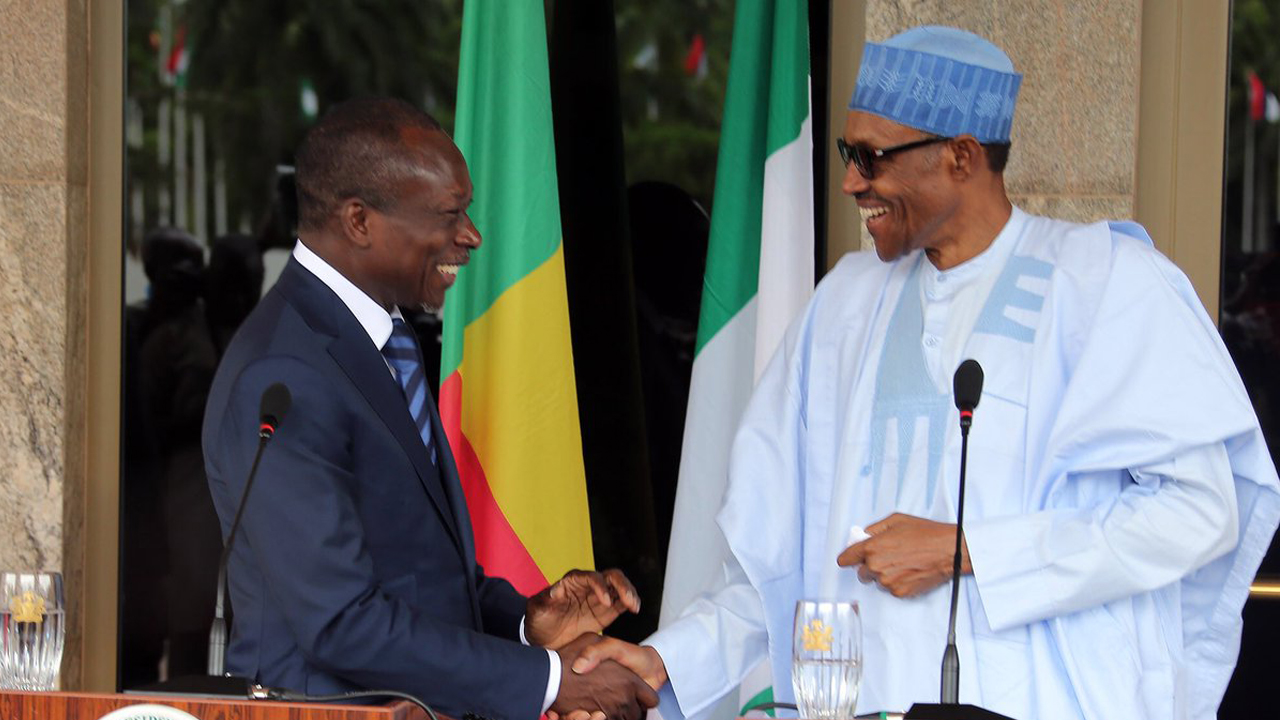 President Muhammadu Buhari of Nigeria and his counterpart from the Republic of Niger, Patrice Talon of have resolved to take drastic steps, including the setting up of a joint committee to combat smuggling across the boarders of the two countries.
 The Peoples Democratic Party (PDP) has welcomed the return of Benue State Governor, Samuel Ortom, from the All Progressives Congress (APC) to its fold.


 Women from about 45 African countries converge on Abuja, the Nigerian Federal Capital to search for peace, conflict management and mediation on the continent, beginning on July 27.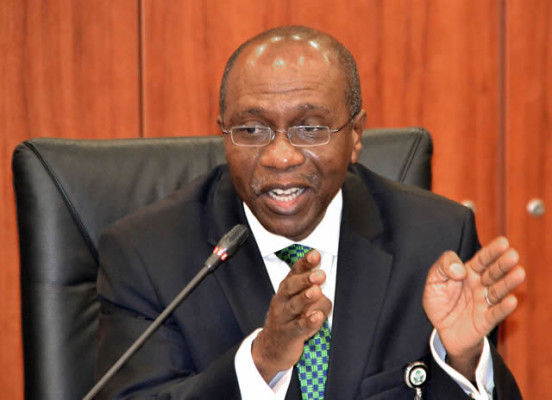


Between Tinubu And Saraki, The Game Begins, By Toibudeen Oduniyi
There is a tide in the affairs of men, which taken at the flood leads to fortune. Omitted, all the voyage of their life is bound in shallows and in miseries. On such a sea are we now afloat. And we must take the current when it serves or lose our ventures. – William Shakespeare
Whichever way we look at it, events of Tuesday, July 24th, 2018 will have seismic effect on the 2019 elections and probably beyond.
In politics they say, there are no permanent friends, but permanent interests. A rump of APC legislators defected to PDP threatening APC’s control of both chambers. This is the height of the mass defection fever that has gripped the country for months. At least, we have reached the crescendo, the dust will now settle in the next few months and then we will see who has bitten the dust and who is left standing. The body polity is seriously heated, old alliances are being broken and new ones being made. It’s all about gains and wins for politicians, as they switch camps and cross carpets. Alas, where is the gain for the ordinary Nigerian.
Most of the politicians cross carpeting are those who abandon PDP at the twilight of the Jonathan administration. Now that they are finding APC uncomfortable, they are on the move again, indeed a leopard cannot change its spot. If they keep their seats, it will be rather unfortunate as it incentivizes such treacherous moves in the future. The law needs to be amended such that anybody elected on the platform of a party must vacate the seat and stand for election as either an independent or a candidate of another party if that person decamps from the party on which elected. This will strengthen our democracy and instill discipline into erring politicians. As long as we allow cross carpeting without implications, it will continue to destabilize our democratic structures.
We have a serious battle at hand; the realignment has redrawn our political terrain into the old order with the progressives facing off the conservatives. For the first time in our history though, the progressives are on the back foot and facing a fight for survival.
There are two principal strategists at work here.
Asiwaju is the titan bestriding our political landscape like a colossus. There is only one Jagaban, I make bold to say any other pretender is a fake. From his base in Lagos State, he has developed a team of competent and proven technocrats who have gradually fanned out across the South West – a testimony to his uncommon ability to attract and retain the loyalty of many successful professionals. He has always been the man who provides succour for embattled and cheated politicians of all shades and colour. A cult-like following amongst the masses has given him the winning touch. His political sagacity leaves you in awe.
Saraki is a deft, calculating and affable character. He has an army of acolytes who have shown time and time again, their focus is material benefit and gains. Saraki has displayed an uncanny ability to wrong-foot the ruling party, consistently beating them at the game. His survival instincts are legendary. With huge financial war chest, they hope to wrest power back and enthrone their dubious and corrupt practices again. Their antecedents are grim, an elitist group bereft of any serious idea or plan to address the issues facing the country.
As the two Generals marshal their armies for the showdown, all bets are off.
Will Omo Oloye will be finally humbled and cut down to size by the master strategist, coalition and consensus builder??
Will the ascendancy of the progressives be brutally cut down by an unholy alliance of conservative brigands??
This is a formidable rumble in the Savannah.
Let the game begin!!!
At the end of the day, the people of Nigeria decide.