President Bola Ahmed Tinubu has approved an increase in the retirement age for medical doctors, nurses and other healthcare workers from 60 to 65 years. National Publicity Secretary, Nigerian Medical Association (NMA), Dr. Mannir Bature, who made this known in a statement today, January 5, said that the President directed the Coordinating Minister of Health and Social Welfare, Professor Muhammad Pate, to formally present the approval to the Council on Establishment through the Office of the Head of Service for finalisation. He said that the policy shift was conveyed by Pate during a high-level meeting with the NMA President, Professor Bala Audu, and key stakeholders in the health sector. Bature said that the meeting also had in attendance the leadership of the Medical and Dental Consultants Association of Nigeria (MDCAN), the National Association of Nigerian Nurses and Midwives (NANNM), and the Joint Health Sector Unions (JOHESU). He said that discussions centred on progress made regarding the welfare of doctors and other healthcare professionals in Nigeria. According to him, the coordinating minister confirmed that the arrears resulting from the adjustment of the Consolidated Medical Salary Structure (CONMESS) are set for payment. “The necessary funds have been secured, and disbursement to beneficiaries will commence soon,” he said. Bature quoted the minister as saying that President Tinubu also approved the correction of consequential adjustments for both CONMESS and the Consolidated Health Salary Structure (CONHESS), arising from the implementation of the new minimum wage. “The process to effect this correction is at an advanced stage, providing much-needed relief to doctors and other healthcare workers.” He said that following an extensive review initiated by the NMA, approval has been granted for the implementation of new tariffs for healthcare service providers. “This will particularly benefit members of the Association of Nigerian Private Medical Practitioners and Nurses (ANPMPN), ensuring better financial remuneration and sustainability for healthcare services nationwide,” he said. Bature said that the Coordinating Minister expressed appreciation for the patience and collaboration of all stakeholders, reaffirming the Federal Government’s commitment to improving the welfare of all healthcare workers. Bature said that Professor Pate emphasised that collaboration was crucial to strengthening Nigeria’s health sector. He said that attendees at the meeting renewed their commitment to work together in advocating for the welfare of healthcare workers and ensuring the full implementation of key reforms. It is on record that NMA has been championing the cause of increasing the retirement age of health workers from 60 to 65 years to address brain drain, improve knowledge transfer and for quality healthcare delivery. Source: NAN.
The Kogi State government has disagreed with the judgment of a High Court in Lokoja, sacking the Ohinoyi of Ebira land, Alhaji Ahmed Tijjani Mohamed Anaje as it heads to appeal court to challenge the ruling. The State Attorney-General and Commissioner for Justice, Muiz Abdullahi, who was reacting to the judgment said that the Governor of the state, Alhaji Ahmed Usman Ododo, has instructed him to appeal against the court verdict. “We are confident that there will be a reversal of the judgement. “The citizens should exercise restraint not to do any contrary to the Law. “We don’t agree with the judgment because the judge didn’t consider some objections we raised before him. “The judgment is neither here nor there. “You should know that the law is straight forward. One plus one is two, and it can’t be contested. “Tomorrow (today, January 5), by God’s grace, we are filing Notice and Grounds of appeal challenging the judgment of the court.”
Musa Usman, Director General, Protocol to the Ohinoyi Ebiraland, has made it clear that the only thing that can remove the Ohinoyi from the throne is death. Reacting to a judgement by Kogi State High Court in Lokoja yesterday, January 3, sacking the Ohinoyi, Alhaji Ahmed Mohamed Anaje from the throne, Musa Usman said: “the only thing that can remove him from the throne is death, which we pray will be a very long time to come, In Sha Allah.” In a statement today, January 4, titled: “Message to the Good People of Ebiraland,” the Ohinoyi aide said that there is no need for Ebira people to be jittery over the Court ruling, advising them to remain calm and continue with their normal daily life activities. “It is important to note that the judgment is currently being appealed, and our beloved monarch, the Ohinoyi-Ebira, a man of sound faith, is undaunted and continues to hold his esteemed position as The Paramount Ruler of Ebira Kingdom. His reign is far from over, and we are confident that he will lead us for many years to come. “Let us stand united in support of our beloved Ohinoyi and maintain the peace and harmony that define our great land. “Together, we will navigate these challenges with resilience and faith. “Thank you for your understanding and cooperation.”
An unanimous economic analyst has argued that the boast by the government of President Ahmed Tinubu of having saved $10 billion in one year as a result of the removal of subsidy on petrol in 2023 cannot be compared to the loss of $450 Billion in value in the same period. “Nigeria has lost about 450 billion dollars in value, and standard of living have fallen in one year in order to save 10 billion dollars,” the analyst said and asked: “does this make any sense at all?” According to the expert, the losses that occured within the macro and micro economy in order to save 10 billion dollars because of the fuel subsidy removal including the fact that GDP has lost approximately 200 billion dollars in one year The expert said that inflammation went up by almost 500 percent in some sectors whereas life expectancy was reduced by almost 10 points. Another loss, the analyst said, is that the government spent another five billion dollars on palliative approach to mitigate subsidy removal effects. “It now costs the government five times more to fund any project. Simply put, a 100km road that could have cost 100 billion naira now costs the government 500 billion Naira to build, meaning that government can only build fewer infrastructure due to its own foolishness and potential for economic recovery was. reduced to almost non existent “There are massive job losses as many businesses fold up as a result of the harsh fall out of reckless subsidy removal. “Debt profile shot up from 60 trillion Naira to 140 trillion in just over a year.”
Governor Ahmed Usman Ododo of Kogi State had a chanced meeting with the Senator representing Kogi State Central Senatorial District, Senator Natasha Akpoti-Uduaghan today, January 31. The husband of Natasha, Chief Uduaghan was by her side at the meeting. The two sides, from the same Senatorial District, have never met since they were elected on the platforms of two different political parties. While Ododo was elected on the platform of the All Progressives Congress (APC), Natasha was elected Senator representing Kogi Central Senatorial District on the platform of the People’s Democratic Party (PDP). Natasha had avoided the immediate past Governor of the State, Alhaji Yahaya Bello not only because of serious political differences but grudges over alleged physical attacks on her by the agents of Yahaya Bello.
Also today, Governor Ododo paid a condolence visit to the family of the State Auditor General, Alhaji Yakubu Yusuf Okala, in Ajiolo, Dekina Local Government Area. The Auditor General lost his mother and matriarch of the Okala family, Hajiya Amina Yusuf Okala, last week Friday. The Governor was accompanied by top officials of the Kogi State Government to the 8th Day Fidau prayer for the Auditor General’s late mother.
The Lake Chad Basin Governors’ Forum has unanimously picked the Governor of Yobe State,Mai Mala Buni as its chairman.
Members of Forum acknowledged that Governor Buni’s appointment is reflection of his dynamic leadership, believing that he would live up to the high expectations. By new position, the Governor is expected to drive collaborative efforts to address issues that bother the region, especially insecurity, and to promote peace, stability, and sustainable development across the region.
The Kogi State Government has committed over ₦4 Billion to battle malaria through its healthcare system. The State Governor, Ahmed Usman Ododo, who spoke at the launch of a malaria prevention campaign, with the distribution of free drugs and test-kits across healthcare facilities in the state, said that the distribution of anti-malaria drugs, rapid diagnostic test kits, and over 3 million insecticide-treated nets to healthcare facilities is in line with the commitment of his administration to promote healthy living and the wellbeing of the people of the state. He called for collective efforts to eradicate the disease, which he said has continued to claim the lives of thousands of people in Nigeria. Governor Ododo noted with worry, alarming statistics from the 2024 World Malaria Report, which revealed that “Africa accounted for 94 percent of global malaria cases in 2023, with Nigeria contributing 30 percent of the 5,970 deaths recorded. He noted also that Kogi State’s malaria prevalence of 16 percent exceeded the national target of less than 10 percent, necessitating urgent intervention by all stakeholders. The governor stressed the importance of ensuring that these supplies get to communities and people for which they are meant to improve health outcomes, noting that the items are not for sale and anyone found guilty of diverting them will be held accountable. According to the Governor, the intervention, supported by the Islamic Development Bank, includes over 10,000 cartons of anti-malaria drugs and test kits containing more than 1 million doses for children and nearly 2 million doses for adults, adding that the supplies will be distributed to 536 government health facilities across the state, including primary healthcare centers, general hospitals, and teaching hospitals. Governor Ododo commended healthcare workers in the state for their efforts in improving healthcare outcomes in rural areas, describing them as soldiers battling diseases on the frontlines. He urged traditional rulers, NGOs, religious leaders, and other stakeholders to join hands with the government in ensuring the success of the initiative. The Governor reaffirmed his administration’s commitment to strengthening the health sector as a critical pillar of the development agenda of the Kogi state government under his leadership. He expressed confidence that the initiative, alongside federal government healthcare reforms under President Bola Ahmed Tinubu, would significantly reduce malaria prevalence and improve the quality of lives of the people of Kogi State. Earlier, the commissioner for Health, Dr. Abdulazeez Adams emphasized the importance of the malaria prevention programme which he said is to ensure that every household has access to malaria test kits, drugs, insecticide-treated nets, and other preventive measures. He noted that the intervention is free and focuses on community engagement, describing it as a comprehensive strategy to combat malaria effectively across Kogi State.
The Director General of the National Youth Service Corps (NYSC), Brigadier General Yushau Ahmed, has announced that corps members will begin receiving a revised monthly allowance of N77,000 starting from February 2025. Addressing the 2024 Batch ‘C’ Stream II corps members in Katsina, the Director General said that the increment has been incorporated in the 2025 Federal Government budget. “This month (January) has already ended, but once the budget is passed by next month (February), you will start receiving N77,000 instead of the usual N33,000.” He said that the approval for the new allowance came from the Federal Government, encouraging corps members to show appreciation by being diligent during their service year. He reaffirmed his commitment to their welfare and security, assured assuring them that they would not be posted to areas experiencing security threats. “We will not send our corps members to wherever we have challenges of security threats. Wherever we send them, they should be less assured that the place is safe and secured for them to serve.”
A traditional ruler in the Zaria Emirate Council of Kaduna State, Alhaji Rilwan Yahaya Pate, slumped at a public event today, January 30, and later died at the Gambo Sawaba General Hospital, Kofar gayan Zaria. Alhaji Rilwan Yahaya Pate, who until his death today, was the Sarkin Yakin Zazzau, was attending the event in the company of the Emir of Zazzau, Mallam Ahmed Nuhu Bamalli. Media and Publicity officer of the Zazzau Emirate, Abdullahi Aliyu Kwarbai, in a statement today, said: “It is with great sadness that the Zazzau Emirate Council announces the passing of Sarkin Yakin Zazzau, Alhaji Rilwanu Yahaya Pate, a Council Member of the Emirate. “Alhaji Rilwanu Yahaya, who also served as Councillor in charge of Health Related Matters, passed away while attending a program alongside His Highness, the Emir of Zazzau, Malam Ahmed Nuhu Bamalli, CFR, at Hajiya Gambo Sawaba General Hospital, Kofan Gayan, Zaria this morning.” The remains of Alhaji Rilwan Yahaya Pate has since been buried at Rimin Dodo later today’s evening. In his condolence message, the Emir of Zazzau, Mallam Ahmed Nuhu Bamalli described the death as “the will of Allah” saying: “death is inevitable and can come whenever Allah destined.” The Emir consoled the family of the deceased, describing the late Sarkin Yakin Zazzau as hardworking, dedicated and very religious whose vacuum will not easily be replaced. He prayed for the soul to have an eternal life rest.
In the heart of Nigeria’s digital economy, a story of patriotism and resilience unfolds. The telecommunications sector, a driving force behind the country’s growth, has been facing unprecedented challenges. Despite its significant contributions to Nigeria’s social and economic development, the sector has been struggling to keep up with the rising costs of operations. For nearly a decade, telecom tariffs in Nigeria remained unchanged, while the demand for data and voice services skyrocketed. The cost of operations, however, surged due to rising energy costs, inflation, currency devaluation, and increased costs of importing telecom equipment. These mounting expenses threatened the very foundation of the sector, making it difficult for operators to maintain infrastructure and deliver high-quality services. In the face of these challenges, telecom operators requested tariff adjustments to reflect the current cost of delivering services. The Nigerian Communications Commission (NCC) carefully considered these proposals, balancing the needs of operators with the interests of consumers. Instead of approving the suggested 100% rate increase, the NCC authorized a maximum adjustment of up to 50% within the current tariff bands. The NCC plays a vital role in regulating the telecommunications industry in Nigeria, and its actions are guided by the Nigerian Communications Act of 2003. This act empowers the body to regulate and approve tariff rates and charges by telecom operators, ensuring a balance between consumer protection and industry sustainability. The NCC’s decision to approve tariff adjustments was not taken lightly. It was based on extensive consultations with stakeholders from both the public and private sectors. The goal was to strike a balance between the financial realities of telecom operators and the economic pressures faced by Nigerian households and businesses. The approved tariff adjustments were capped at 50%, significantly lower than the 100% increase requested by operators. This decision showcases the NCC’s commitment to creating a telecommunications environment that works for everyone. To further protect consumers, the NCC mandated telecom operators to implement the approved adjustments transparently and fairly. Meanwhile, operators were also required to educate and inform the public about the new rates, ensuring customers are fully aware of any changes to their billing structures. Additionally, the NCC’s updated Quality of Service Regulations empower it to sanction operators who fail to meet their service obligations. Nigerians need to understand that the recent tariff adjustments in the telecommunications sector are a necessary step towards ensuring the long-term sustainability of the industry. These adjustments will enable operators to invest in infrastructure upgrades and innovation, ultimately providing opportunities for local businesses to thrive. A robust telecommunications sector is crucial for achieving Nigeria’s digital economy goals, including e-commerce growth, broadband penetration, and digital inclusion. The tariff adjustments will strengthen operators’ contributions to these objectives by providing connectivity to underserved and rural areas, driving innovation, creating jobs, and boosting economic productivity. Since 2013, telecom operators have grappled with escalating costs without corresponding adjustments to the tariff rates they offered. Without tariff adjustments, operators risk being unable to sustain their operations, leading to service degradation and potential job losses within the industry. This would increase the rate of unemployment in the country, contributing to the hardship the government has been fighting hard to eradicate. The telecommunications sector is capital-intensive, requiring continuous investment in infrastructure to meet growing demand and improve service quality. The approved tariff adjustments will provide operators with the financial resources needed to invest in network expansion, upgrade existing infrastructure, and enhance customer service. This will ultimately benefit consumers by delivering better connectivity, reduced downtime, and wider network coverage. It’s worth noting that the Nigerian Communications Commission’s (NCC) approval of tariff adjustments aligns with international best practices, ensuring Nigeria stays competitive in the global telecommunications landscape. By maintaining tariffs within the bands outlined in the 2013 NCC Cost Study, the Commission has ensured that the adjustments are both fair and evidence-based. Furthermore, the NCC’s modest tariff adjustment was influenced by the financial strains that many businesses and households are experiencing. In the context of the broader economy, the long-term benefits of the slight increase in consumer bills far outweigh the immediate costs. Benefits such as expanded coverage, improved network quality, and enhanced customer service will provide greater value to consumers, further ensuring they receive a greater telecommunications experience. In other to mitigate the impact on vulnerable consumers, the NCC has mandated that operators simplify their tariff structures, and offer affordable plans that will be suitable to different income levels. Additionally, the Commission will continue to monitor the implementation of the adjustments to ensure compliance with its guidelines and protect consumers from exploitation. This action validates the Commission’s goal of ensuring that Nigeria remains at the forefront of digital innovation and connectivity in Africa. As a regulator, it is obvious that the NCC is not only protecting consumers, but also supporting operators, indigenous vendors, and suppliers who form the pillar of the telecom industry. It is worthy of note to state that the adjustments have no relation to the ongoing tax reform conversation. This holistic approach ensures that the benefits of a thriving telecommunications sector are felt across all segments of society. The tariff adjustments approved by the NCC are a necessary step toward addressing the financial and operational challenges faced by telecom operators. Far from being complicit in any alleged exploitation, the NCC has demonstrated commendable patriotism and a deep commitment to balancing consumer protection with industry sustainability. The NCC’s actions in approving the tariff adjustments reflect patriotism and national progress at its finest. By enabling operators to invest in infrastructure, improve service quality, and support indigenous businesses, the NCC is laying the foundation for a more robust and inclusive telecommunications sector that can measure up with its international counterparts all across the globe. The adjustments are not merely a response to current market conditions but a forward-looking strategy that will ensure Nigeria’s telecommunications industry remains a vital driver of economic growth and digital transformation. As Nigerians, it is very important to view these adjustments as a patriotic move by the NCC to secure the future of connectivity and development in the country. The Commission’s action embodies transparency and accountability, and it serves as a reminder that effective regulation is not about appeasing one stakeholder group over another, but about creating an environment that works for everyone. Through its efforts, the NCC is proving that a stronger, more sustainable telecommunications sector is not just a possibility but a reality within reach in no.
We use cookies on our website to give you the most relevant experience by remembering your preferences and repeat visits. By clicking “Accept”, you consent to the use of ALL the cookies.
This website uses cookies to improve your experience while you navigate through the website. Out of these, the cookies that are categorized as necessary are stored on your browser as they are essential for the working of basic functionalities of the website. We also use third-party cookies that help us analyze and understand how you use this website. These cookies will be stored in your browser only with your consent. You also have the option to opt-out of these cookies. But opting out of some of these cookies may affect your browsing experience.
Necessary cookies are absolutely essential for the website to function properly. This category only includes cookies that ensures basic functionalities and security features of the website. These cookies do not store any personal information.
Any cookies that may not be particularly necessary for the website to function and is used specifically to collect user personal data via analytics, ads, other embedded contents are termed as non-necessary cookies. It is mandatory to procure user consent prior to running these cookies on your website.






 Also today, Governor Ododo paid a condolence visit to the family of the State Auditor General, Alhaji Yakubu Yusuf Okala, in Ajiolo, Dekina Local Government Area. The Auditor General lost his mother and matriarch of the Okala family, Hajiya Amina Yusuf Okala, last week Friday.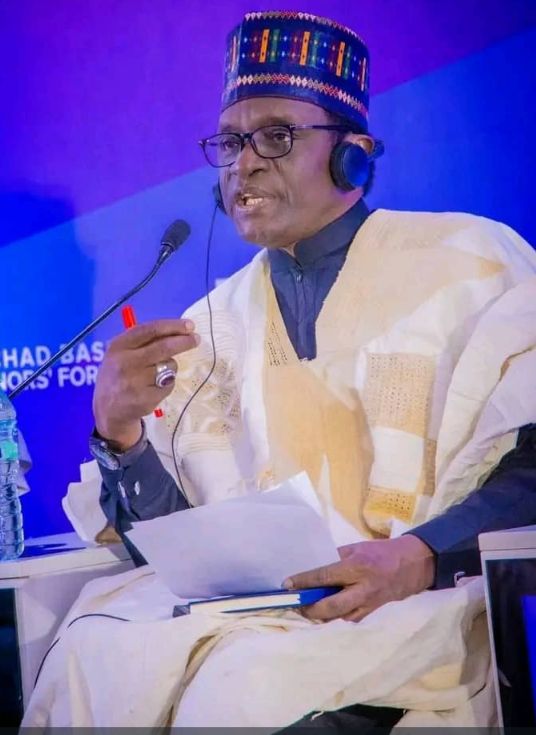




Telecom’s Tariff Increase And NCC’s Patriotism, By Toby Prince
In the heart of Nigeria’s digital economy, a story of patriotism and resilience unfolds. The telecommunications sector, a driving force behind the country’s growth, has been facing unprecedented challenges. Despite its significant contributions to Nigeria’s social and economic development, the sector has been struggling to keep up with the rising costs of operations.
For nearly a decade, telecom tariffs in Nigeria remained unchanged, while the demand for data and voice services skyrocketed. The cost of operations, however, surged due to rising energy costs, inflation, currency devaluation, and increased costs of importing telecom equipment. These mounting expenses threatened the very foundation of the sector, making it difficult for operators to maintain infrastructure and deliver high-quality services.
In the face of these challenges, telecom operators requested tariff adjustments to reflect the current cost of delivering services. The Nigerian Communications Commission (NCC) carefully considered these proposals, balancing the needs of operators with the interests of consumers. Instead of approving the suggested 100% rate increase, the NCC authorized a maximum adjustment of up to 50% within the current tariff bands.
The NCC plays a vital role in regulating the telecommunications industry in Nigeria, and its actions are guided by the Nigerian Communications Act of 2003. This act empowers the body to regulate and approve tariff rates and charges by telecom operators, ensuring a balance between consumer protection and industry sustainability.
The NCC’s decision to approve tariff adjustments was not taken lightly. It was based on extensive consultations with stakeholders from both the public and private sectors. The goal was to strike a balance between the financial realities of telecom operators and the economic pressures faced by Nigerian households and businesses. The approved tariff adjustments were capped at 50%, significantly lower than the 100% increase requested by operators. This decision showcases the NCC’s commitment to creating a telecommunications environment that works for everyone.
To further protect consumers, the NCC mandated telecom operators to implement the approved adjustments transparently and fairly. Meanwhile, operators were also required to educate and inform the public about the new rates, ensuring customers are fully aware of any changes to their billing structures. Additionally, the NCC’s updated Quality of Service Regulations empower it to sanction operators who fail to meet their service obligations.
Nigerians need to understand that the recent tariff adjustments in the telecommunications sector are a necessary step towards ensuring the long-term sustainability of the industry. These adjustments will enable operators to invest in infrastructure upgrades and innovation, ultimately providing opportunities for local businesses to thrive.
A robust telecommunications sector is crucial for achieving Nigeria’s digital economy goals, including e-commerce growth, broadband penetration, and digital inclusion. The tariff adjustments will strengthen operators’ contributions to these objectives by providing connectivity to underserved and rural areas, driving innovation, creating jobs, and boosting economic productivity.
Since 2013, telecom operators have grappled with escalating costs without corresponding adjustments to the tariff rates they offered. Without tariff adjustments, operators risk being unable to sustain their operations, leading to service degradation and potential job losses within the industry. This would increase the rate of unemployment in the country, contributing to the hardship the government has been fighting hard to eradicate.
The telecommunications sector is capital-intensive, requiring continuous investment in infrastructure to meet growing demand and improve service quality. The approved tariff adjustments will provide operators with the financial resources needed to invest in network expansion, upgrade existing infrastructure, and enhance customer service. This will ultimately benefit consumers by delivering better connectivity, reduced downtime, and wider network coverage.
It’s worth noting that the Nigerian Communications Commission’s (NCC) approval of tariff adjustments aligns with international best practices, ensuring Nigeria stays competitive in the global telecommunications landscape. By maintaining tariffs within the bands outlined in the 2013 NCC Cost Study, the Commission has ensured that the adjustments are both fair and evidence-based.
Furthermore, the NCC’s modest tariff adjustment was influenced by the financial strains that many businesses and households are experiencing. In the context of the broader economy, the long-term benefits of the slight increase in consumer bills far outweigh the immediate costs. Benefits such as expanded coverage, improved network quality, and enhanced customer service will provide greater value to consumers, further ensuring they receive a greater telecommunications experience.
In other to mitigate the impact on vulnerable consumers, the NCC has mandated that operators simplify their tariff structures, and offer affordable plans that will be suitable to different income levels. Additionally, the Commission will continue to monitor the implementation of the adjustments to ensure compliance with its guidelines and protect consumers from exploitation. This action validates the Commission’s goal of ensuring that Nigeria remains at the forefront of digital innovation and connectivity in Africa.
As a regulator, it is obvious that the NCC is not only protecting consumers, but also supporting operators, indigenous vendors, and suppliers who form the pillar of the telecom industry. It is worthy of note to state that the adjustments have no relation to the ongoing tax reform conversation. This holistic approach ensures that the benefits of a thriving telecommunications sector are felt across all segments of society.
The tariff adjustments approved by the NCC are a necessary step toward addressing the financial and operational challenges faced by telecom operators. Far from being complicit in any alleged exploitation, the NCC has demonstrated commendable patriotism and a deep commitment to balancing consumer protection with industry sustainability. The NCC’s actions in approving the tariff adjustments reflect patriotism and national progress at its finest.
By enabling operators to invest in infrastructure, improve service quality, and support indigenous businesses, the NCC is laying the foundation for a more robust and inclusive telecommunications sector that can measure up with its international counterparts all across the globe. The adjustments are not merely a response to current market conditions but a forward-looking strategy that will ensure Nigeria’s telecommunications industry remains a vital driver of economic growth and digital transformation.
As Nigerians, it is very important to view these adjustments as a patriotic move by the NCC to secure the future of connectivity and development in the country. The Commission’s action embodies transparency and accountability, and it serves as a reminder that effective regulation is not about appeasing one stakeholder group over another, but about creating an environment that works for everyone. Through its efforts, the NCC is proving that a stronger, more sustainable telecommunications sector is not just a possibility but a reality within reach in no.
*Prince wrote in from Abuja.