


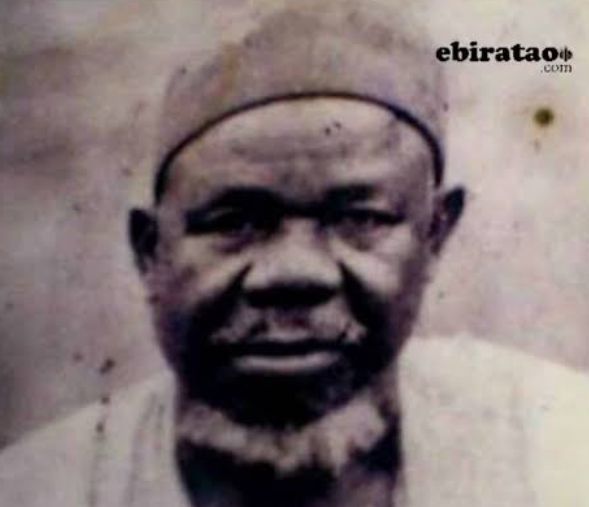

Until recently, not many people in Ebiraland, in Kogi Central Senatorial District of Nigeria knew that the first Chief Imam of the land, Sheikh Imam Yahaya Aliyu Tajudeen was an original indigene of Kwara State. As a matter of fact, the late Islamic cleric so integrated himself in Ebiraland that one would swear that he had no connection with Ilorin, Kwara State.
Sheikh Yahaya Tajudeen, to be sure, was and still is respected as a founding figure of Islam in Ebiraland. He is often described as the “founder” or “father” of Islam in Ebiraland due to his pioneering roles.
As a matter of fact, his mission in Ebiraland, spanning over 40 years, from about 1915 to 1956, laid foundations for structured Islamic life, scholarship and leadership among Ebira people.
He worked alongside early Muslim leaders and rulers such as His Royal Highness, the second Paramount ruler of Ebiraland, Alhaji Ibrahim Atta, helping Islam to take deeper root in the community.
He influenced future imams and scholars, including Sheikh Musa Galadima, who later became Chief Imam of Ebiraland.
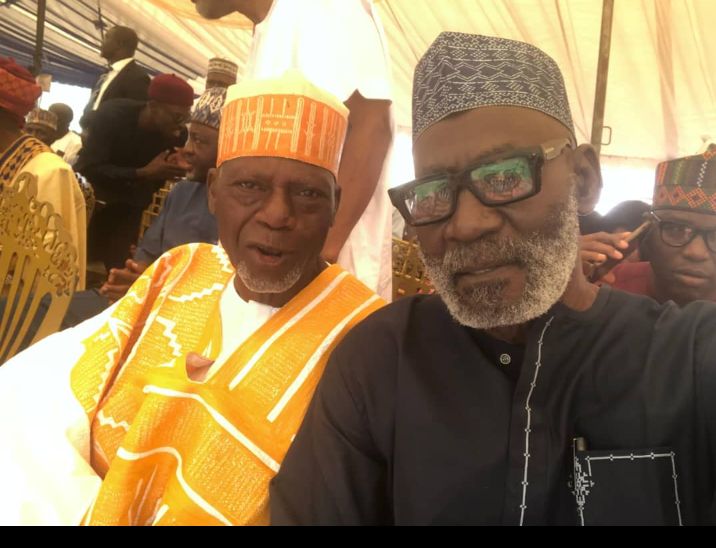
To have merited such prestigious honour, he was acknowledged as having contributed immensely to the peace and progress of the community.
His life was described as being characterized by integrity, exemplary services, honesty and fascinating dispositions.
“The union believes that he is worthy of being categorized and celebrated among the most exceptional indigenes of Ilorin Emirate who deserve to be specially honoured for the present and future generations to emulate.”
The posthumous honour was received by one of the grandsons of the late Islamic cleric who is a veteran broadcaster, Mallam Nurudeen Imam AbdulRahman.

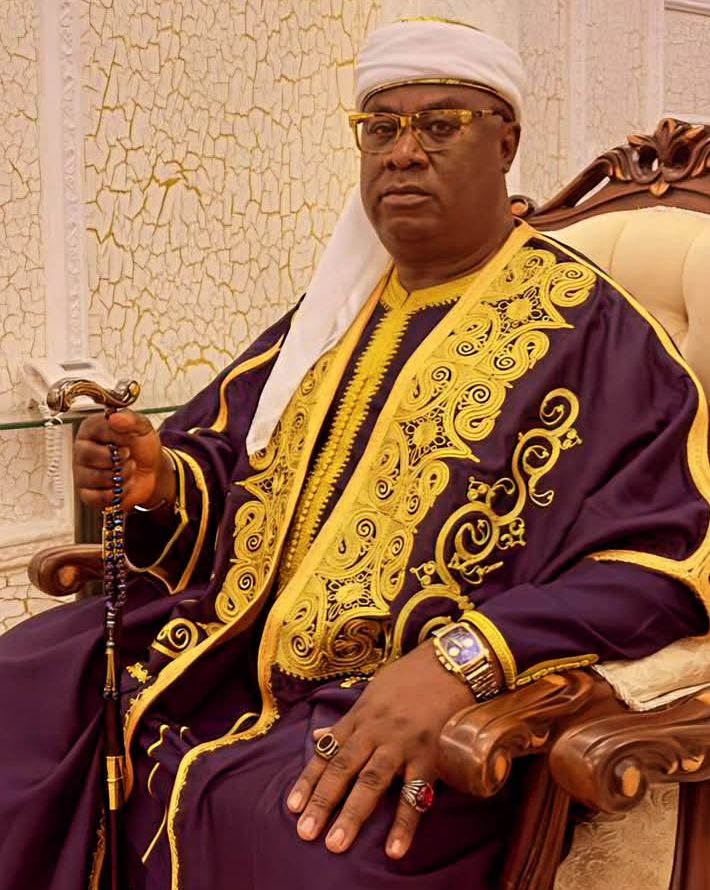

…abu Imam… Onizeyiza of Ebiraland
It is no doubt in recognition of the gargantuan roles Sheikh Yahaya Tajudeen played in the manifestation of Ebiraland into largely an Islamic society that the fourth Paramount ruler of the land, late Alhaji Dr. Ado ibrahim honoured his grandson, abu Imam with traditional title of Onizeyiza obanyi (Dan Amana) of Ebiraland. Onizeyiza simply means trustworthiness. It also means being reliable. That could be the only way to appreciate the great impact Sheikh Yahaya Tajudeen had on Ebiraland, in addition to the fact that even the grandson, abu Imam, was treading on the same footsteps of integrity, sincerity, honesty and commitment to human development like his grandfather.
Sheikh Imam Yahaya Tajudeen was born in 1875 in the “Ile Adafila” compound in Ilorin, Kwara State, into the family of Aliyu Badamasy and Princess Zainab. His mother was a princess from Irun town in Ondo State.
He was of Yoruba/Nupe descent and connected with the Ilorin scholarly community before his work in Ebiraland.
He first learned Qur’anic education from his father and pursued further Islamic knowledge under various scholars.
He later studied under Sheikh Tajul-Adabi, one of the prominent Muslim scholars in Kwara State.
Sheikh Tajudeen is widely acknowledged as the first Chief Imam and pioneer Islamic teacher in Ebiraland, especially in Okene and environs.
He was known as a scholar, astute administrator, pious leader, treasurer and advisor, serving not just in religious capacities but also assisting in community affairs.
He reportedly served in the British colonial Native Authority as treasurer before dedicating himself fully to Islamic propagation.
After resigning from colonial service in 1924, he committed to spreading Islam among the Ebira, Okun, Akoko and Nupe communities, establishing structured Islamic teaching and community growth.
Sheikh Tajudeen is remembered for propagating Islam peacefully through reasoned persuasion, patience and understanding of local traditions.
His model of community engagement, teaching and leadership remains part of local Islamic history and collective memory.