


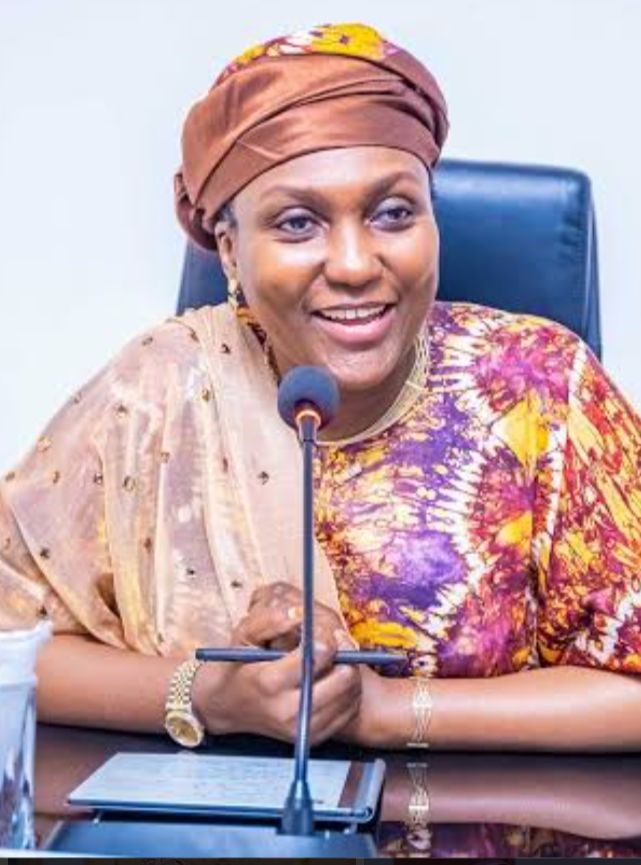
Her presence at LEA Primary School in Durumi, Abuja, was more than a ceremonial appearance. In a country where public officials are often distant figures, rarely seen engaging directly with ordinary citizens, let alone schoolchildren, her interaction carried a symbolic and practical weight. For the pupils, the encounter was not merely memorable; it was formative. It introduced them to ideas and responsibilities that are rarely embedded in their formal education, yet are crucial to their survival and well-being.
During the visit, Zubaida Umar engaged the children in an interactive session focused on disaster prevention and safety awareness. She spoke in simple, relatable terms, emphasising everyday habits and practical measures that can reduce risks at home and in school. This approach reflects a broader understanding that disaster management is not confined to emergency rooms or rescue operations; it begins with awareness, preparedness, and responsible behaviour at the most basic level of society.
In many ways, this initiative exposes a glaring gap in Nigeria’s educational and social framework. The system continues to prioritise theoretical knowledge at the expense of practical, life-saving skills. Children are taught to pass examinations, but not necessarily to navigate emergencies. Skills such as CPR, basic first aid, situational awareness, and even rudimentary navigation are largely absent from the curriculum. Yet, these are competencies that can mean the difference between life and death in critical moments.
By introducing pupils to concepts of disaster preparedness, Umar is not only filling this gap but also redefining what it means to educate. Her message that safety is a shared duty resonates far beyond the classroom. It challenges a culture of passivity, encouraging individuals, no matter how young, to take responsibility for their environment. Teaching children to recognize hazards, report dangers promptly, and adopt preventive habits instills a mindset that can ripple through families and communities.
This outreach also underscores the importance of mentorship, an often-overlooked aspect of leadership in Nigeria. In a society where young people frequently lack access to role models within public institutions, such engagements can be profoundly impactful. Seeing a figure of authority not only speak to them but invest time in their development can inspire confidence, curiosity, and a sense of belonging in the national narrative.
However, this school visit is only one facet of a broader record. Under Zubaida Umar’s leadership, NEMA has demonstrated a more proactive and coordinated approach to disaster management. Her tenure has been marked by timely responses to emergencies, notably during the devastating floods of 2024. Her decision to temporarily relocate to Maiduguri following the Alau Dam overflow exemplified a hands-on approach that prioritised immediate action over bureaucratic distance. Such leadership, grounded in presence and urgency, is rare but necessary in times of crisis.
Equally significant are the structural improvements introduced within the agency. The strengthening of early warning systems and the timely issuance of alerts have enhanced the country’s ability to anticipate and mitigate disasters. The deployment of technology-driven solutions, including a centralised emergency response dashboard for real-time monitoring and resource mobilisation, reflects a shift toward modern, data-informed governance. These innovations not only improve efficiency but also build public trust in the system’s capacity to respond effectively.
Moreover, her emphasis on collaboration has reinforced NEMA’s operational strength. By fostering closer coordination with state emergency agencies, the military, paramilitary organisations, non-governmental bodies, and international partners, she has helped create a more integrated and responsive network. Disaster management, by its nature, requires collective effort, and this inclusive approach ensures that resources and expertise are effectively harnessed.
Yet, perhaps the most enduring aspect of her leadership lies in its human dimension. The decision to step into a classroom and speak to children about safety is a reminder that governance is not solely about policies and institutions, but about people. It is about anticipating needs, bridging gaps, and investing in the future in ways that are both practical and meaningful.
In a nation grappling with numerous challenges, such initiatives offer a glimpse of what purposeful leadership can achieve. They remind us that progress is not always measured in grand projects or sweeping reforms, but sometimes in quiet, deliberate acts that plant the seeds of change. By equipping young Nigerians with the knowledge and mindset to navigate risks, Zubaida Umar is contributing to the creation of a more resilient society that is better prepared, more aware, and ultimately, more secure.
Her outreach to schools, therefore, should not be seen as an isolated gesture, but as a model worth emulating. It calls on other public officials to rethink their roles, to engage more directly with the people they serve, and to prioritise initiatives that have lasting impact.

Taken from Blueprint Newspaper. Editorial.