



There’s no doubt that Nigeria has long emerged as a nation of diverse faith, ethnicity and culture. In that context therefore, the pursuit of religious harmony has become not just a moral aspiration but a strategic imperative for national security and sustainable development.
Over the years, Nigeria has grappled with recurrent religious tension, misinformation and identity-based conflicts. Such tensions have continually threatened its unity and undermined its socio-economic progress.
These are the factors that have brought about the need for innovative, coordinated and credible platforms that can bridge the divides for the purpose of fostering dialogue.
The Guild of Interfaith Media Practitioners Nigeria (GIMP-Nigeria), which stands as unique intersection of media practice and interfaith engagement, stands as one of such platforms that deserves greater national attention and institutional support.
As a professional body made up of experienced journalists, editors, communication experts and faith-conscious media practitioners, the Guild is strategically positioned to influence public discourse, counter harmful stereotypes and promote narratives that emphasize co-existence, mutual respect and shared national values.
It must be stressed that so far, the great potential of the group has remained barely noticed and therefore underutilized.
It is therefore imperative for government institutions, faith leaders and interfaith non-governmental organizations (NGOs) to deliberately leverage GIMP-Nigeria as a partner in advancing religious harmony and strengthening national security.
It is a fact well known across the world that the role of the media in shaping perceptions is unquatifiable. This is backgrounded in the dictum which says that conflicts are not only fought on the ground but amplified or de-escalated through the media. For example, sensational reporting, biased framing and the spread of unverified information have, at times, exacerbated tensions between religious communities in Nigeria. Conversely, responsible journalism that prioritizes accuracy, balance and sensitivity can serve as a powerful tool for peacebuilding. This is where GIMP-Nigeria’s mandate becomes critical.
By promoting ethical reporting on religious issues and training media practitioners in conflict-sensitive journalism, the Guild can help transform the media landscape from one that sometimes fuels division to one that actively promotes unity.
For the Nigerian government, particularly agencies responsible for information, security and national orientation, partnering with GIMP-Nigeria offers a cost-effective and impactful strategy for peace promotion. Rather than relying solely on top-down communication approaches, the government can benefit from the Guild’s grassroots networks and professional expertise to disseminate messages of tolerance and counter extremist narratives.
Through joint campaigns, public enlightenment programmes and media training workshops, GIMP-Nigeria can serve as a trusted intermediary between the state and the citizenry, thereby enhancing credibility and public trust.
Faith leaders, who wield significant influence over millions of Nigerians also have a critical role to play. The fact can not be controverted that their messages reach only their immediate congregations, but by collaborating with GIMP-Nigeria, they can amplify their voices across wider audiences through structured media engagement.
The Guild can help translate sermons and interfaith dialogues into compelling media content: news features, documentaries, radio programmes and social media campaigns, reaching far audiences beyond the pulpit. This synergy can ensure that messages of peace are not confined to places of worship but become part of the national conversation.
Interfaith NGOs, many of which are already doing commendable work in promoting dialogue and reconciliation can also benefit from the media expertise that GIMP-Nigeria provides. Too often, impactful grassroots initiatives remain under-reported, thereby limiting their reach and replication. By integrating GIMP-Nigeria into their programmes, these organizations can enhance visibility, document success stories and influence policy through strategic communication.
The Guild’s members, trained in both media practice and interfaith sensitivity, are well-equipped to tell stories that inspire hope, challenge prejudice and highlight the dividends of peaceful coexistence.
Beyond collaboration, there is also a need for institutional support. Government agencies and development partners should consider funding capacity-building initiatives led by GIMP-Nigeria, including training programmes on conflict-sensitive reporting, fact-checking and digital literacy.
In an era where misinformation spreads rapidly through social media, equipping media practitioners with the skills to verify information and counter false narratives is essential for national security. GIMP-Nigeria can serve as a hub for such capacity-building efforts, ensuring that journalists and communicators across the country are better prepared to handle sensitive religious issues responsibly.
Moreover, the inclusion of GIMP-Nigeria in national peacebuilding frameworks and security strategies can enhance policy coherence. Too often, media engagement is treated as an afterthought in conflict prevention and response. Recognizing GIMP-Nigeria as a strategic partner can help mainstream communication into peace and security initiatives, ensuring that narratives are aligned with broader national objectives. This approach not only addresses the symptoms of conflict but also tackles its underlying drivers, such as mistrust, misinformation and identity-based polarization.
The private sector and international development partners also have a role to play. Corporate organizations, particularly those operating in conflict-prone areas, have a vested interest in promoting stability. By supporting GIMP-Nigeria’s initiatives as part of their corporate social responsibility, they can contribute to a more peaceful operating environment. Similarly, international donors working on governance, peacebuilding and media development can partner with the Guild to scale up its impact and share best practices across regions.
Ultimately, the quest for religious harmony and national security in Nigeria requires a whole-of-society approach. No single actor, whether government, religious institution, or civil society organization can achieve this goal in isolation. What is needed is a collaborative framework that leverages the strengths of each stakeholder. GIMP-Nigeria offers a ready-made platform for such collaboration, combining professional media expertise with a deep commitment to interfaith understanding.
As Nigeria continues to navigate its complex socio-political landscape, the importance of credible, responsible and peace-oriented communication cannot be overstated. By embracing and empowering GIMP-Nigeria, the nation has an opportunity to harness the power of the media as a force for unity rather than division.
The time to act is now.
Government agencies, faith leaders and interfaith NGOs must move beyond rhetoric and take concrete steps to integrate GIMP-Nigeria into their peacebuilding and security strategies.
In doing so, Nigeria will not only strengthen its internal cohesion but also set an example for other multi-religious societies grappling with similar challenges. Peace is not merely the absence of conflict; it is the presence of justice, understanding and mutual respect. Through strategic partnerships with institutions like GIMP-Nigeria, that vision can become a reality.
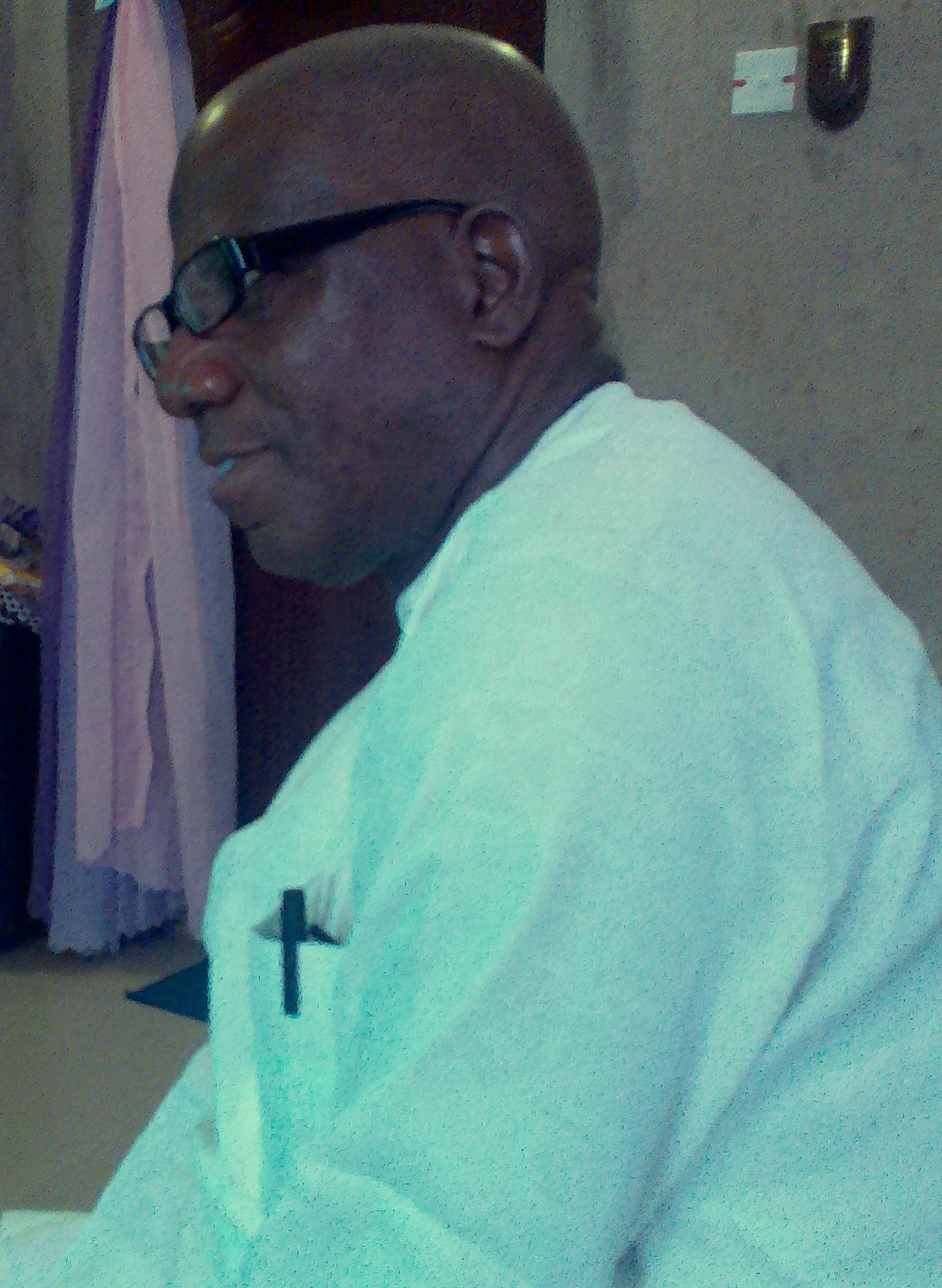
The writer, Yusuf Ozi-Usman is the Director of Programmes Development, and member of the Governing Board of the Guild of Interfaith Media Practitioners Nigeria (GIMP-Nigeria). He can be reached at oziusman@yahoo.com

