The basic fact about climate change is the long-term changes it creates in global temperatures, rainfall patterns, weather conditions and environmental systems caused largely by human activities. Such human activities including the burning of fossil fuels, deforestation, industrialization and unsustainable land use practices.
Such practices have become the most significant global issues of the 21st century, affecting countries, communities, economies and ecosystems across the world.
In Nigeria, climate change has manifested through rising temperatures, irregular rainfall, desertification in the northern region, coastal erosion in the south, increased flooding and the loss of biodiversity. These environmental changes pose serious challenges to agriculture, food security, water resources, public health and economic development. Farmers face difficulties in predicting planting seasons due to changing weather patterns, leading to reduced crop yields and food shortages. Flooding destroys homes, infrastructure and farmlands, while desert encroachment threatens livelihoods in many northern communities. Climate-related disasters also increase poverty, displacement and conflicts over diminishing natural resources.
Globally, climate change contributes to more frequent and intense heatwaves, storms, droughts, wildfires and rising sea levels.
Many countries face enormous economic losses due to damaged infrastructure, reduced agricultural productivity and increased healthcare costs.
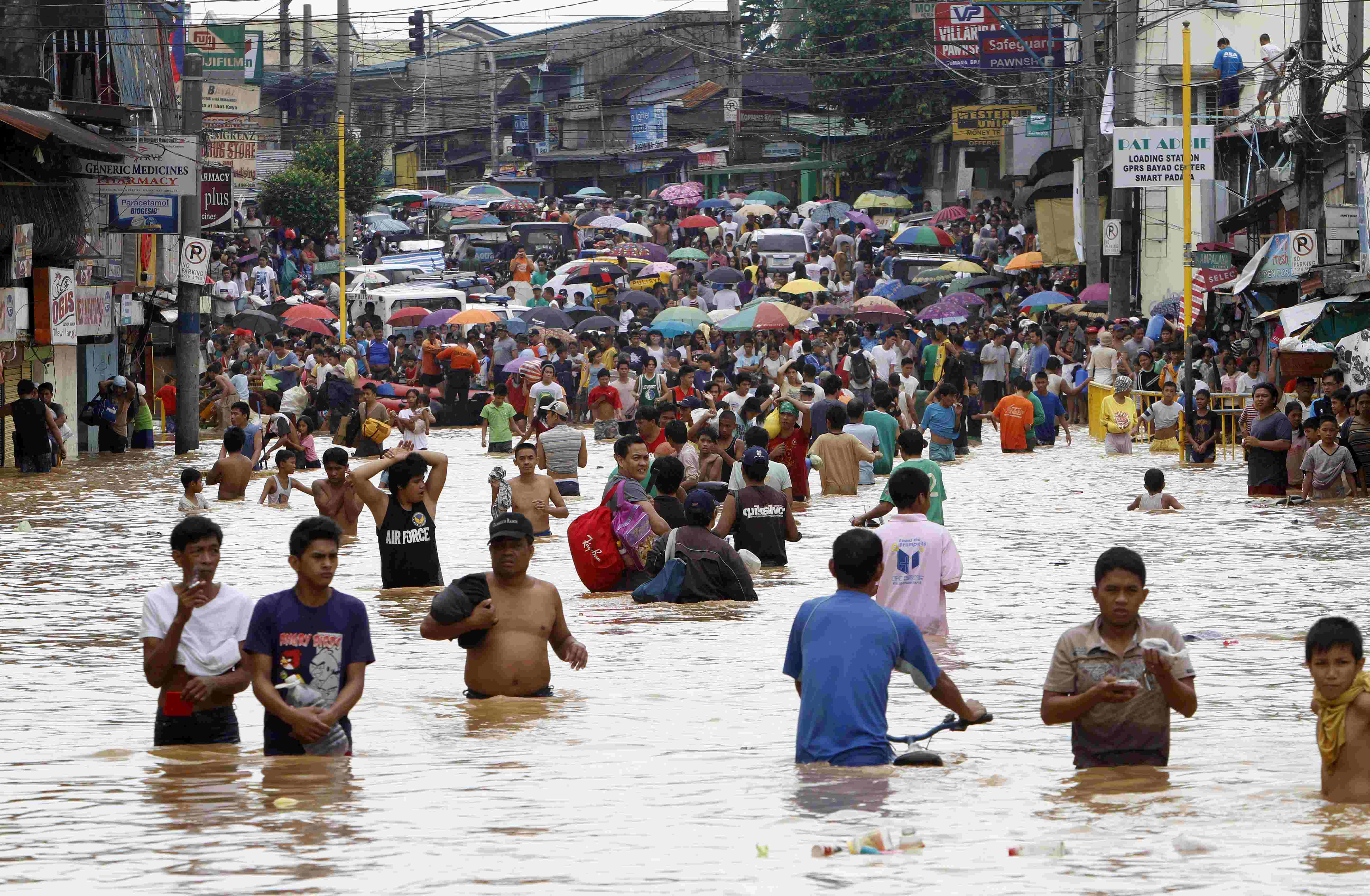 Vulnerable populations, particularly in developing nations, bear the greatest burden despite contributing the least to global greenhouse gas emissions.
Despite these challenges, climate change has also accelerated innovation and opportunities for sustainable development. Around the world, governments, businesses and communities are investing in renewable energy sources such as solar, wind and hydropower. These investments create jobs, reduce dependence on fossil fuels and promote cleaner environments.
In Nigeria, the growing adoption of solar energy is improving electricity access in rural and urban areas while reducing carbon emissions. Climate action has also encouraged better environmental policies, afforestation programmes, sustainable agriculture and improved disaster preparedness.
Global efforts to address climate change have strengthened international cooperation through agreements, research partnerships and climate financing mechanisms.
These initiatives support developing countries in building resilience and adapting to environmental changes. Climate-smart agriculture, renewable energy technologies and green industries present significant economic opportunities for Nigeria and other nations seeking sustainable growth.
In other words, climate change has presented serious environmental, social and economic challenges to Nigeria and the world. But it has also offered opportunities for innovation, green investment, sustainable development and international collaboration. Addressing climate change requires collective action by governments, businesses, communities and individuals to reduce emissions, protect natural resources and build a more resilient future for present and future generations.
This is where Greenbarge Reporters online newspaper has come in to contribute to the efforts of the governments, institutions, authorities and concerned individuals towards solving challenges inherent in the climate change.