
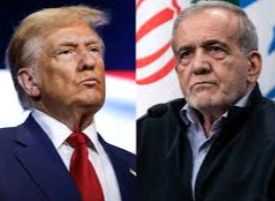
We all must be wondering why Donald Trump, after all the tough talk, quietly stepped back and offered an indefinite pause on military escalation with Iran. No grand announcement. No victory speech. Just a sudden, unusual stillness.
Iran sent him a map.
Not a peace proposal. Not a diplomatic note. 𝐀 𝐬𝐭𝐫𝐚𝐭𝐞𝐠𝐢𝐜 𝐦𝐚𝐩 𝐬𝐡𝐨𝐰𝐢𝐧𝐠 𝐞𝐱𝐚𝐜𝐭𝐥𝐲 𝐰𝐡𝐞𝐫𝐞 𝐢𝐭 𝐬𝐢𝐭𝐬 𝐢𝐧 𝐫𝐞𝐥𝐚𝐭𝐢𝐨𝐧 𝐭𝐨 𝐭𝐡𝐞 𝐮𝐧𝐝𝐞𝐫𝐬𝐞𝐚 𝐟𝐢𝐛𝐞𝐫 𝐨𝐩𝐭𝐢𝐜 𝐜𝐚𝐛𝐥𝐞𝐬 𝐩𝐚𝐬𝐬𝐢𝐧𝐠 𝐭𝐡𝐫𝐨𝐮𝐠𝐡 𝐭𝐡𝐞 𝐒𝐭𝐫𝐚𝐢𝐭 𝐨𝐟 𝐇𝐨𝐫𝐦𝐮𝐳.
That map said more than a thousand missiles ever could.
The Strait of Hormuz is a narrow waterway between Iran and the Arabian Peninsula. The world already knew it carries nearly 20% of global oil. What fewer people talk about is that the same narrow passage is threaded with undersea cables that carry the internet, banking data, and financial transactions for hundreds of millions of people across the Middle East, Asia, and beyond.
𝑻𝒉𝒊𝒏𝒌 𝒂𝒃𝒐𝒖𝒕 𝒘𝒉𝒂𝒕 𝒕𝒉𝒂𝒕 𝒎𝒆𝒂𝒏𝒔 𝒇𝒐𝒓 𝒂 𝒎𝒐𝒎𝒆𝒏𝒕.
Your salary transfer. Your business payment. Your hospital billing system. Your supply chain software. All of it travels as pulses of light through cables thinner than a human hair, resting silently on the ocean floor. If those cables are cut, the damage is not just technological. Businesses collapse overnight. Banking systems freeze. Economies bleed while the world waits weeks for underwater repair ships to even locate where the break occurred.
𝐓𝐡𝐢𝐬 𝐢𝐬 𝐰𝐡𝐲 𝐧𝐨 𝐫𝐨𝐜𝐤𝐞𝐭 𝐥𝐚𝐮𝐧𝐜𝐡𝐞𝐫 𝐬𝐜𝐚𝐫𝐞𝐝 𝐓𝐫𝐮𝐦𝐩. 𝐀 𝐦𝐚𝐩 𝐝𝐢𝐝.
Because a map of chokepoints tells you something a weapon cannot. It tells you how much the other side is willing to lose, and more importantly, how much you are. The United States and its allies have built their entire economic architecture on this invisible underwater infrastructure. Disrupting it would not hurt Iran half as much as it would hurt global markets, Western banks, and the digital economy that the modern world depends on.
Iran did not threaten war. It reminded the world of its geography.
There is something deeply human in this moment, and also deeply sobering. We built a globalised civilisation on thin wires buried under oceans, and we never really asked who sits above them. Now we know.
𝑻𝒉𝒆 𝒎𝒐𝒔𝒕 𝒑𝒐𝒘𝒆𝒓𝒇𝒖𝒍 𝒏𝒆𝒈𝒐𝒕𝒊𝒂𝒕𝒊𝒏𝒈 𝒕𝒐𝒐𝒍 𝒊𝒏 𝒕𝒉𝒆 𝒘𝒐𝒓𝒍𝒅 𝒊𝒔 𝒏𝒐𝒕 𝒂𝒍𝒘𝒂𝒚𝒔 𝒂 𝒃𝒐𝒎𝒃. 𝑺𝒐𝒎𝒆𝒕𝒊𝒎𝒆𝒔 𝒊𝒕 𝒊𝒔 𝒂 𝒎𝒂𝒑.
𝐒𝐮𝐤𝐡 𝐒𝐚𝐧𝐝𝐡𝐮 is a
Director of CAQA; Editor-in-Chief of ISO; Poet and Writer, Forbes Business Council.