Public Relation Consultant to the National Identification Management Commission (NIMC), Dr. Walter Duru has stressed the importance of the regulated online media towards countering misinformation and fake news that are often times, floated on social media in Nigeria. Dr. Duru, in a paper he delivered today, July 4, at the two-day workshop in Abuja for the online newspaper publishers, said that NIMC has realized that online media can be utilized to close the gap of misinformation and barefaced lies being spinned by inexperienced social media users. He said that the job of the NIMC is too sensitive and tasking to be left in the hands of rumour mongers and mischief makers. According to Dr. Duru, who is the Manager of Internal Communications (Project Implementation Unit) of the Nigeria Digital Identification For Development (ID4D) Project, the mandate of the NIMC, through the management of the data of Nigerians, including enhancing internal security and reducing fraud. The mandate, according to him, is also to empower the citizens with verified identity and to streamline access to services among others. He said that having taken into consideration, challenges, which mainly bordered on inadequate public awareness, NIMC would lean heavily on the online newspaper publishers to get things right. Dr. Duru appealed to the publishers to take the partnership to the next level by launching awareness campaign for effective education of Nigerians on NIMC mandate. Earlier in the programme, the Coordinator of Project Implementation Unit of the Nigeria Digital ID4D Project, Mrs. Tito Ejenavi, said that NMIC is committed to ensuring that the national identification system is inclusive, equitable and accessible to all Nigerians, regardless of their socio-economic status, gender, or physical abilities. “The foundational ID system that NIMC is building is not just about numbers; it’s about people and their access to rights and services. “By strengthening our national identity infrastructure, we aim to bolster Nigeria’s digital economy, enhance data protection, and close the inclusion gaps that hinder access to identification and related key services. “This is particularly crucial for marginalized groups, including persons living with disabilities and the rural poor.” She said that engaging publishers of online newspapers will further enhance NIMC’s visibility, communicate the commission’s success stories, build valuable relationships, and counter misinformation. “As digital publishers, you have the power to shape narratives and influence public perceptions. Your platforms reach millions of Nigerians and beyond, daily, making you indispensable partners in our mission to build a more inclusive and digitally empowered Nigeria. “While we appreciate all your efforts and goodwill over time, we seek your continued support in spreading accurate information about the National Identity Management Commission and of course, the Nigeria Digital ID4D Project.” According to her, the Nigeria Digital ID4D Project is a (Nigerian) collaborative effort, jointly funded by the World Bank, the European Investment Bank, and the French Development Agency, with a singular objective: to increase the number of persons with a National Identity Number (NIN) through a robust and inclusive foundational identity system that enables access to services. Our mission is rooted in the principle of inclusion. Historically, identity systems have often inadvertently marginalized certain groups due to logistical challenges and social stigmas, particularly affecting women and persons with disabilities.
Director of Primary Health Care (PHC) in Nangere Local Government area of Yobe State, Ibrahim Lawan, who was suspended for diverting Ready-to-Use Therapeutic Food (RUTF), for malnourished children, has confessed to committing the offense. The officer has therefore, appealed to the state government to temper justice with mercy, saying that he is already cooperating with ongoing investigations into the matter. Ibrahim Lawan said that he conspired with some staff of the PHC and stole the therapeutic food supplements, but that the quantity is not as huge as claimed. “The allegation was that I diverted about 120 cartons. This is not true. “However, I take responsibility for all that happened since I was the leader at the time. “Therefore, I am appealing to the state government to temper justice with mercy, because since I have cooperated and made investigation easier for them.” The Yobe State Primary Health Care Board had suspended Ibrahim Lawal for “diverting and misusing” the food supplements. The board’s spokesman, Adamu Abba, who announced the suspension in Damaturu, the state capital, said that a five-member committee had been set up to investigate the matter. After announcing Lawan’s indefinite suspension, the board named Ibrahim Disa as acting director of the PHC in Nangere. Ibrahim Disa is expected to be on the saddle pending the outcome of the investigation. Furthermore, The investigation committee was tasked to recommend a strategy for ensuring accountability in the distribution of the supplements and other medical consumables. The RUTF is a packaged highly nutritious food supplement used in treating severe and acute malnutrition in children. Source: Neptune Prime
The Governor of Kogi State, Ahmed Usman Ododo has promised to Immortalize two students of the Confluence University of Science and Technology (CUSTECH), Osara, who were killed after they were kidnapped by gunmen from the campus. The students are James Anajuwe and Caleb Musa. The kidnappers stormed the campus on May 9, 2024, and went away with 31 students. Governor Ahmed Usman Ododo, at a meeting with 29 other students who were eventually rescued from the kidnappers, reassured the students and management of the improved security on the university campus. A statement by Ismaila Isah, Special Adviser on Media to the Governor, quoted the Governor as having promised to complete the perimeter fencing of the university within 16 weeks and ensure full security surveillance of the campus with the capacity for round-the clock emergency response by security agencies. He promised to work with the management of the university to consistently review the security architecture of the school and make improvements where necessary in line with the safe school initiative of the state government. He vowed to make education accessible to the population of young people in the state, saying that his government is fully committed to the safety of learning environment in all parts of the state. He said that no effort would be spared to defeat criminal elements wherever they are found in the state. This was even as the state commissioner for education, Wemi Jones commended the Governor for the steps taken to rescue 29 of the 31 abducted students. He prayed for the peaceful repose of the two students, James Anajuwe and Caleb Musa that were killed. He gave assurance that the government would prevent a repeat of the unfortunate incidence in the university. Earlier, the Vice Chancellor of the university, Professor Abdulrahaman Salawu expressed appreciation to Governor Ododo for the fatherly role he has continued to play in the lives of the students since their abduction and after their release from captivity as well as his support for the families of the deceased students. He promised the cooperation of the university management with the state government to ensure speedy development of the university.
As the Nigerian Army prepares to commemorate its 161st anniversary on July 6, 2024 in Jos, Plateau State, with the theme “Transforming the Nigerian Army: Imperative for Combating Contemporary Security Challenges within a Joint Environment,” it is important to spare a moment to reflect on this symbol of national power and its profound contributions to our national development, peace and security and above all the enduring legacy of one of the greatest armies in the world for over a century and a half. Therefore, this year’s Nigerian Army Day Celebration (NADCEL) 2024 is not just an attestation of the Army’s rich history, but also a recognition of its role in the nation’s security, development, and peace. The Nigerian Army, established in 1863 with a strength of 18 men, known as the “Glover Hausas”, has grown from a modest force to a formidable institution known for its professionalism, resilience, dedication and immense contribution to national development, peace and security in our country, West Africa and beyond. Over the years, the Nigerian Army has demonstrated exceptional bravery and commitment in various national and international engagements. From peacekeeping missions in conflict-ridden regions across the world to defending the sovereignty of Nigeria during the civil war and against insurgencies and other security threats, the Nigerian Army has consistently showcased its capability and resolve as a professional army. Beyond its military engagements in peacekeeping and peace enforcement especially in some West African states, the Nigerian Army has significantly contributed to national development. Through various civil-military cooperation initiatives, the army has been playing an important role in infrastructure development, disaster response, and community services. Projects such as the construction of roads, schools, and medical facilities in underserved areas through initiatives such as the Chief of Army Staff’s Special Projects, medical outreaches and Quick Impact Projects for host communities, highlight the army’s dedication to the defence of Nigeria’s territorial integrity and improving the quality of life for Nigerians. In the face of internal security challenges, including insurgencies, banditry, and communal conflicts, the Nigerian Army has remained a bulwark of peace and security in Nigeria. The ongoing counterinsurgency operations against Boko Haram in the Northeast, efforts to curb kidnappings and banditry in the Northwest, and other Internal Security Operations (ISOs) in aid of civil authorities in various parts of the country pointed to the Nigerian Army’s critical role in maintaining peace and security in Nigeria. Interestingly, the army’s counter-terrorism and counter-insurgency strategies have evolved over the years, adapting to the changing dynamics of the security challenges. This adaptability, combined with rigorous training and advanced military technologies, ensures that the Nigerian Army remains a formidable force capable of addressing contemporary security threats in the country in conjunction with other services and security agencies, hence the vision of a joint environment. In recent years, the Nigerian Army has also made significant strides towards gender mainstreaming. The establishment of a Women’s Corps shows the service’s commitment to gender inclusivity and equality. Women in the Nigerian Army have increasingly taken on roles that were traditionally dominated by men, participating in combat, leadership, and technical positions. This inclusion not only enhances the operational effectiveness of the army but also promotes gender equality within the service. The Nigerian Army’s modernization efforts include the establishment of an aviation corps, a giant stride in enhancing its operational capabilities. The recent acquisition of helicopters has significantly bolstered the army’s ability to conduct aerial surveillance, rapid troop deployment, and logistics support. This advancement in aviation technology will undoubtedly ensure that the Nigerian Army remains at the forefront of modern military operations, capable of addressing diverse security challenges with greater efficiency in the future. Therefore, it is particularly gratifying that this year’s celebration is being held in Jos, Plateau State, the headquarters of the 3 Armoured Division and Operation SAFE HAVEN, known as the home of tourism in Nigeria. Jos, with its scenic landscapes, rich cultural heritage, and pleasant climate, provides a fitting backdrop for this momentous occasion. The choice of Jos not only highlights the city’s significance but also promotes its potential as a tourist destination, contributing to the state’s economic growth, and enhancing peace and security on the Plateau. As we commemorate 161 years of the Nigerian Army, it is imperative we also honour the sacrifices of the brave officers and soldiers of the Nigerian Army who have served and continue to serve the nation with distinction. Their unwavering commitment to duty, courage in the face of adversity, discomfort and dedication to national development are the hallmarks of the Nigerian Army’s enduring legacy. Yet, despite the countless sacrifices made by these citizens in uniform, the level of understanding and appreciation from our fellow Nigerians has sometimes fallen woefully short. It is our solemn duty to rectify this, stand in solidarity with the noble protectors of our sovereign lands, and honour their commitment to preserving our cherished way of life. The history of the Nigerian Army is a story of evolution and growth. From its origins as a small colonial force, it has transformed into a modern and highly professional institution. The journey of the Nigerian Army over the past 161 years is marked by significant milestones, including its role in the independence struggle, contributions to United Nations peacekeeping missions, and active participation in various regional and international military coalitions. In recent years, the Nigerian Army has made strides in modernizing its equipment, adopting advanced technologies, and improving the training and welfare of its personnel. These efforts have not only enhanced the operational capabilities of the army but also boosted its morale and readiness to tackle contemporary security challenges. The Nigerian Army’s contributions to global peace and security extend beyond the nation’s borders. Nigeria is one of the largest troop-contributing countries to United Nations peacekeeping missions, having participated in operations in Lebanon, Congo, Sierra Leone, Liberia, Sudan, South Sudan, The Gambia, Guinea and many other countries. Nigerian peacekeepers are renowned for their professionalism, bravery, and dedication to restoring peace and stability in conflict zones. These international engagements have not only enhanced Nigeria’s reputation on the global stage but also provided valuable experience and exposure to Nigerian soldiers, further strengthening the army’s capabilities. The Nigerian Army’s role in community outreach and humanitarian efforts cannot be overstated. In times of natural disasters, such as floods and epidemics, the army has been at the forefront of relief and rescue operations, providing critical support and assistance to affected communities. The Army’s Medical Corps has also been instrumental in delivering healthcare services to remote and underserved areas, often bridging the gap in public health infrastructure. The army’s involvement in educational initiatives, including the establishment of schools and scholarship programmes for children of fallen soldiers, shows its commitment to the welfare of its personnel and their families. These initiatives foster a sense of community and support, ensuring that the sacrifices of soldiers and their families are recognized and honoured. In an era of rapidly evolving security threats, the Nigerian Army has embraced technological advancements to enhance its operational effectiveness. The adoption of drones, advanced communication systems, and modern weaponry has revolutionized the army’s approach to modern warfare. These technologies provide critical intelligence, surveillance, and reconnaissance capabilities, enabling more precise and effective operations. Furthermore, the Nigerian Army’s investment in cyber warfare capabilities and counter-terrorism strategies reflects its proactive stance in addressing new and emerging threats. Training programmes and international collaborations have been pivotal in equipping Nigerian Army officers and soldiers with the skills and knowledge necessary to navigate the complexities of modern conflict. As we celebrate 161 years of the Nigerian Army, it is also a time to look ahead and envision the future of this esteemed institution. The Nigerian Army remains committed to its mission of defending the nation’s sovereignty, ensuring internal security, and contributing to global peace and stability. Ongoing reforms, capacity-building initiatives, and strategic partnerships with other security agencies and international allies will continue to strengthen the army’s capabilities. The focus on enhancing the welfare and professional development of its personnel will ensure that the Nigerian Army remains a highly motivated and effective force. Therefore, the Nigerian Army Day Celebration 2024 under the able leadership of the Chief of Army Staff, Lieutenant General TA Lagbaja, is more than a commemoration of the past; it is a celebration of the present and a commitment to the future. In Jos, Plateau State, amidst the beautiful landscapes and rich cultural heritage, we honour the Nigerian Army’s legacy of bravery, service, and national development. We celebrate the men and women who have dedicated their lives to protecting the nation and promoting peace.
Consequently, as the Nigerian Army marks this significant milestone, let us recognize and appreciate its profound contribution and impact on Nigeria’s journey towards peace, security, and development. The Nigerian Army’s legacy is a testament to the enduring spirit of patriotism, resilience and dedication that continues to inspire the nation. I beseech fellow Nigerians, to open your hearts and minds to the profound significance of our Army’s enduring legacy. Let us not merely observe this milestone of the Nigerian Army but embrace it with the reverence and gratitude it so rightfully deserves. In doing so, we not only pay homage to the past, but we also invest in the future – a future of unity, security, and unshakable national pride. Let this be a clarion call, echoing through the very fabric of our society, imploring all Nigerians to celebrate our Army now and always, for their unwavering service is the bedrock upon which our nation’s stability and progress are built. I join millions of well-meaning Nigerians home and abroad, in celebrating our armed forces and wishing officers of the Nigerian Army a happy NADCEL 2024.
Brigadier General Sani Kukasheka Usman (rtd) mni fnipr, is a former Director of Army Public Relations and Spokesman of the Nigerian Army, public commentator and security expert.
Director General and Chief Executive Officer of the National Identification Management Commission (NIMC), Engineer Abisoye Coker-Odusote has made it clear that the Commission would not negotiate with data and identity of any Nigerian for whatever reason. Speaking at the beginning of a two-day roundtable with Publishers of online newspaper publishers today, July 3, Coker-Odusote dismissed rumour making the rounds that there was compromise on the Commission’s data anywhere in the country. She said that the Commission is committed to transparency and accountability, adding that robust mechanisms have been instituted for participation, grievance redress and regular monitoring to enhance operational performance and mitigate social risks. “Our grievance redress system includes a centralized grievance register, a contact centre, and multiple channels for submitting complaints. “This system ensures that queries are addressed promptly, problems with implementation are resolved efficiently, and complaints from ecosystem partners are effectively managed. “NIMC under my watch is committed to complying with all extant laws and regulations governing the protection of data in Nigeria. “So far, we have done so much towards ensuring compliance with the highest standards of data security, sanitizing the system and processes, while ensuring the integrity of data on the country’s identity database. “We shall not rest on our oars.Let me at this point, thank the online publishers for all the support you have been giving to the commission, particularly, since I assumed office at NIMC. “We do not take this for granted. While we take deliberate steps towards deepening our engagements with you, rest assured of our commitment to the highest standards of professionalism in the implementation of NIMC’s mandate. “My administration has zero tolerance for corruption. I hereby reiterate my commitment to sanitizing NIMC, in conformity with the mandate of Mr. President. “Let me also use this medium to remind you all that enrolment for the National Identification Number (NIN) is free of charge in Nigeria.Over the next two days, you will be exposed to NIMC’s operations, strategy, activities, reforms, technical infrastructure upgrade, success stories and plans. “As publishers of online newspapers, you are at the forefront of this effort. Your platforms are instrumental in educating the public about our activities, operations, and the benefits of a robust national identity management system. “Taking advantage of this meeting, we hope to provide you with comprehensive insights into NIMC’s activities, objectives, strategies, achievements, and challenges. “This knowledge is vital for you to disseminate accurate information to the public. “It is also expected that we discuss your roles in the forthcoming NIMC Ecosystem Enrolment exercise, ensuring you understand how you can contribute to this national effort. “We are also deliberate about establishing a relationship that will help prevent misinformation about NIMC’s activities and clear up any existing misconceptions, thereby maintaining public trust.It is expected that this meeting will identify sustainable strategic activities and engagements that will effectively promote our goals. “We also hope to share experiences and insights on current and potential future challenges, allowing us to adapt our strategies accordingly. “More so, it is my expectation that this meeting agrees on critical areas of collaboration and outline the next steps for a productive relationship between NIMC and online publishers in Nigeria. “It is our intention to build strategic communication bridges between NIMC and online publishers, facilitating effective information dissemination. “NIMC, under my watch, seeks to foster a friendly and collaborative atmosphere that will lead to more positive coverage and support from the media. “Let me use this medium to, once again, reassure Nigerians, at home, and in the diaspora that robust measures are in place to safeguard the nation’s database from cyber threats. “NIMC’s infrastructure adheres to the stringent ISO 27001:2013 Information Security Management System Standard, ensuring that the highest standards of data protection are maintained. “Under my leadership, NIMC has an unwavering commitment to upholding ethical standards in data protection. “Cutting-edge cybersecurity technologies such as encryption, multi-factor authentication, and real-time monitoring systems are in place to protect the database. “We are also very deliberate about ensuring that all partners and vendors of the commission comply with strict security standards. One of the objectives of this meeting is to strengthen collaboration with the media, pursuant to our determination to regularly keep the public informed about the steps being taken to secure their data, the commission’s activities, updates, success stories, as well as challenges. “Please, let us work together in this regard.Let me, in a very special way, thank the President and Commander-in-Chief of the Nigerian Armed Forces, His Excellency, Bola Ahmed Tinubu for his inspirational leadership and commitment to a better Nigeria. “I also use this medium to commend the Nigeria Digital ID4D Project for its numerous supports to NIMC and for making this Roundtable possible. “Pursuant to the Sustainable Development Goals (SDG 16.9), which seeks to ensure that everyone on the earth planet has a form of identity by 2030, NIMC shall not rest, until every citizen of Nigeria (at home and in the diaspora) and legal residents are captured on the country’s identity database. “We are also very deliberate about inclusion. A compelling strategy is already in place, with support from the Nigeria Digital ID4D Project to ensure that those that are at the risk of being excluded on Nigeria’s identity project are adequately covered. From persons with disabilities, to women and children, the elderly, and those in rural and hard to reach areas, we are determined to ensure that no one is left behind. “This Roundtable is not just a meeting but a step towards a collaborative future. I am aware that as publishers, you are also businesspeople. Balancing social responsibility and ethical expectations with business requirements is a delicate act. “While I assure you of a mutually beneficial marriage with NIMC, please I urge you to be guided by professionalism and ethics in the discharge of your duties, bearing in mind that you owe the society a social responsibility. “By working together, we can enhance the visibility, trust, and goodwill of NIMC, ensuring that our message reaches the public accurately and effectively. “I urge you to embrace professionalism and be guided by ethical conducts.I look forward to productive discussions and a mutually beneficial relationship that will better our nation. “Let us embark on this journey together, with a shared vision and a commitment to excellence.”
A senior correspondent of Radio France International (RFI) in Hausa language and veteran journalist, Alhaji Kabiru Yusuf is dead. Report reaching us at Greenbarge Reporters online newspaper said that he died last night, July 2, hours after he returned from Saudi Arabia where he joined millions of Muslims to perform this year’s pilgrimage. He was a member of the media team put together by the National Hajj Commission of Nigeria (NAHCON). Until his death, Kabiru Yusuf had been covering the Presidential Villa, for years. A statement from the Radio France said: “With complete submission to the Will of Allah, I regret to announce the death of our colleague and one of the pillars of RFI Hausa, Kabir Yusuf, our Abuja correspondent, who few days ago returned from pilgrimage in Makkah. “Kabir passed away in Kano last night and will be buried today (July 3).
“May Allah in His infinite mercies grant this gentleman Aljannah Firdaus!” This was even as President Bola Tinubu, in a condolence message, prayed for the repose of the soul “of the departed and comfort to his family in this time of grief and always.” The President sympathized with the family of Kabiru Yusuf, recalling that the veteran journalist was the Federal Capital Territory correspondent for The Triumph Newspaper and Radio France Internationale Hausa. “He covered the State House for many years until his passing.” We in Greenbarge Reporters online newspaper join mourners in sympathizing with the immediate family of the deceased, his friends and colleagues. May Allah forgive all his shortcomings and admit him in the Aljannatul Firdausi.
Management of the Economic and Financial Crimes Commission (EFCC) is now investigating the circumstances leading to one of its officer committing suicide yesterday, July 1. Information reaching us at Greenbarge Reporters online newspaper said that the Commission is currently exploring possible factors, including mental health and family challenges, that might have contributed to the officer’s depression and decision to take his own life. The EFCC spokesperson, Dele Oyewale confirmed the incident which occurred in Abuja yesterday, saying that the investigation will determine the circumstances surrounding the suicide. The Commission has not issued official statement relating to the identity of the officer involved, but promised that more information will be given about him after the conclusion of the investigation. The deceased, who is said to be a member of Course 5, was described by his colleagues as diligent, efficient and unassuming. Source: PRNigeria.
A Chieftain of the ruling All Progressives Congress (APC), Baba Dala Fika has been shortlisted for the award of the prestigious title of the Senior Advocate of Nigeria (SAN). Baba Fika, who is the former legal adviser to the main opposition People’s Democratic Party (PDP), is among well grounded lawyers who have been so marked down by the Legal Practitioners’ Privileges Committee (LPPC) for the prestigious status in the Nigeria’s legal sector. Baba Fika was a member of the APC National Screening Committee that screened and cleared Asiwaju Bola Ahmed Tinubu to contest the 2023 General election. He was enrolled as Solicitor and Advocate of the Supreme Court of Nigeria on 3rd November, 1988. He is currently the Principal Partner of Bahama Chambers, Baba Dala & Co.,located in Guzape, Abuja. He is also a member of the Chartered Institute of Arbitrators of the United Kingdom; a Certified Capital Market Solicitor of Nigeria; a Professional member of the Financial Reporting Council of Nigeria and a member of the Nigeria Business Forum. The legal luminary is a specialist in Project Finance Practice.
The Kogi State Commissioner for Health, Abdullazeez Adam, has said that the government is fully alert to combat cholera which has been ravaging some states in the country for the past couple of months. He told newsmen in Lokoja, the state capital that so far, only two cases have been confirmed with one victim treated and discharged. “The other victim is doing well on treatment. “As far as Kogi is concerned, we had only two cases of cholera. Until people report it, samples taken for test and confirmation obtained by undergoing culture in the laboratory, we may not know the other cases. “If we want to know the type, samples must be taken and sent to the National Centre for Disease Control (NCDC), Abuja. “As earlier mentioned, as for the recent Cholera outbreak in the country, up until Wednesday, June 26, we had just one recorded case, which is counted. “If it’s not reported, one can’t say there’s any. Unreported case, means, when someone is sick and is stooling, yet have not gone to hospital or any health facility but resolved to taking ORS or drugs while at home, it can’t be counted. “If it’s suspected, reported and confirmed, then it can be counted as a case, else it won’t. “Those cases they have in Lagos and FCT, Abuja, were reported and confirmed cases in health facilities and hospitals.” The Commissioner said that drastic measures have been taken to ensure that the disease is brought under control. “Thank God here in Kogi, we have Disease Surveillance and Notification Officers in all our wards in the 21 local government areas, ”They are always on alert to report any case of disease outbreak to the appropriate quarters. “We also have jingles that are ongoing on Radio and Television (TV) stations, Handbills with messages in the three dominant tribes in the state including Hausa and English languages.” He advised members of the public to report any suspected case of Cholera and maintain good hygiene. “Before now, we had trained people on how to identify cases that can be termed epidemic, because Lassa Fever dealt with us recently. ”Kogi was among states with Lassa Fever cases, so we trained people on how to identify such diseases or any outbreak at any time to the appropriate quarters. “We have medical consumables on reserve in our Drug Central Medical Store ready for deployment to places in need in time of outbreaks. ”Just recently, the Federal Government, through the NCDC, sent some drugs to us to help address any such cases of Cholera outbreak in the state. They are well kept in our Drug Central Medical Store for distribution when necessary.” The Commissioner said that state health officials have been sensitising and enlightening people on the need for them to keep good hygiene by living in clean environments, drinking potable water, and avoiding open defecation. He said that the government had come to realize that open defecation, bad drinking water and dirty environments are main causes of Cholera. ”And, as such drastic measures have been taken to discourage people from open defecation to health ward ward the outbreak of Cholera and other diseases amongst our populace. “Our health officers are always out, monitoring people’s houses to ensure that those of them that have no toilets must provide one for the people living there. “We believe these measures would go a long way at ensuring healthy living amongst our people. Health, they say, is wealth, more so that prevention is better than cure. “I can generally conclude that though Kogi is fully prepared to deal with the Cholera disease, we have but just one case as we speak.”
Nigeria’s Federal Government has taken measures, including the establishment of an Advisory on Malaria Elimination in Nigeria (AMEN) and the Ministerial Task Force on Malaria Elimination to kick malaria out of the country. A statement by Tashikalmah Hallah, Special Adviser on Media & External Relations to the Coordinating Minister of Health and Social Welfare, Professor Muhammad Ali Pate said that malaria poses a significant burden on Nigeria in terms of mortality, morbidity, loss of manhour, out-of-pocket expenses as well as government investments in treatments and interventions. The minister emphasised that despite being preventable and treatable, malaria continues to pose a major challenge to the country. “Therefore, we need a paradigm shift from the standard approach to a more proactive and result-oriented method of defeating this disease. “On this premise, we invited academics, malaria programme experts, development partners, private sectors, civil societies, business enthusiasts, policymakers as well as the political class to a roundtable discussion to rethink the country’s approaches and strategic views on malaria, which culminated in the setting up of the Advisory for Malaria Elimination in Nigeria.”
We use cookies on our website to give you the most relevant experience by remembering your preferences and repeat visits. By clicking “Accept”, you consent to the use of ALL the cookies.
This website uses cookies to improve your experience while you navigate through the website. Out of these, the cookies that are categorized as necessary are stored on your browser as they are essential for the working of basic functionalities of the website. We also use third-party cookies that help us analyze and understand how you use this website. These cookies will be stored in your browser only with your consent. You also have the option to opt-out of these cookies. But opting out of some of these cookies may affect your browsing experience.
Necessary cookies are absolutely essential for the website to function properly. This category only includes cookies that ensures basic functionalities and security features of the website. These cookies do not store any personal information.
Any cookies that may not be particularly necessary for the website to function and is used specifically to collect user personal data via analytics, ads, other embedded contents are termed as non-necessary cookies. It is mandatory to procure user consent prior to running these cookies on your website.



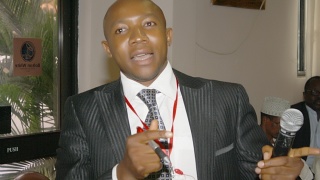





Celebrating 161 Years Of Nigerian Army: A Legacy Of Bravery, National Development, By Sani Kukasheka Usman
As the Nigerian Army prepares to commemorate its 161st anniversary on July 6, 2024 in Jos, Plateau State, with the theme “Transforming the Nigerian Army: Imperative for Combating Contemporary Security Challenges within a Joint Environment,” it is important to spare a moment to reflect on this symbol of national power and its profound contributions to our national development, peace and security and above all the enduring legacy of one of the greatest armies in the world for over a century and a half. Therefore, this year’s Nigerian Army Day Celebration (NADCEL) 2024 is not just an attestation of the Army’s rich history, but also a recognition of its role in the nation’s security, development, and peace.
The Nigerian Army, established in 1863 with a strength of 18 men, known as the “Glover Hausas”, has grown from a modest force to a formidable institution known for its professionalism, resilience, dedication and immense contribution to national development, peace and security in our country, West Africa and beyond. Over the years, the Nigerian Army has demonstrated exceptional bravery and commitment in various national and international engagements. From peacekeeping missions in conflict-ridden regions across the world to defending the sovereignty of Nigeria during the civil war and against insurgencies and other security threats, the Nigerian Army has consistently showcased its capability and resolve as a professional army.
Beyond its military engagements in peacekeeping and peace enforcement especially in some West African states, the Nigerian Army has significantly contributed to national development. Through various civil-military cooperation initiatives, the army has been playing an important role in infrastructure development, disaster response, and community services. Projects such as the construction of roads, schools, and medical facilities in underserved areas through initiatives such as the Chief of Army Staff’s Special Projects, medical outreaches and Quick Impact Projects for host communities, highlight the army’s dedication to the defence of Nigeria’s territorial integrity and improving the quality of life for Nigerians.
In the face of internal security challenges, including insurgencies, banditry, and communal conflicts, the Nigerian Army has remained a bulwark of peace and security in Nigeria. The ongoing counterinsurgency operations against Boko Haram in the Northeast, efforts to curb kidnappings and banditry in the Northwest, and other Internal Security Operations (ISOs) in aid of civil authorities in various parts of the country pointed to the Nigerian Army’s critical role in maintaining peace and security in Nigeria.
Interestingly, the army’s counter-terrorism and counter-insurgency strategies have evolved over the years, adapting to the changing dynamics of the security challenges. This adaptability, combined with rigorous training and advanced military technologies, ensures that the Nigerian Army remains a formidable force capable of addressing contemporary security threats in the country in conjunction with other services and security agencies, hence the vision of a joint environment.
In recent years, the Nigerian Army has also made significant strides towards gender mainstreaming. The establishment of a Women’s Corps shows the service’s commitment to gender inclusivity and equality. Women in the Nigerian Army have increasingly taken on roles that were traditionally dominated by men, participating in combat, leadership, and technical positions. This inclusion not only enhances the operational effectiveness of the army but also promotes gender equality within the service.
The Nigerian Army’s modernization efforts include the establishment of an aviation corps, a giant stride in enhancing its operational capabilities. The recent acquisition of helicopters has significantly bolstered the army’s ability to conduct aerial surveillance, rapid troop deployment, and logistics support. This advancement in aviation technology will undoubtedly ensure that the Nigerian Army remains at the forefront of modern military operations, capable of addressing diverse security challenges with greater efficiency in the future.
Therefore, it is particularly gratifying that this year’s celebration is being held in Jos, Plateau State, the headquarters of the 3 Armoured Division and Operation SAFE HAVEN, known as the home of tourism in Nigeria. Jos, with its scenic landscapes, rich cultural heritage, and pleasant climate, provides a fitting backdrop for this momentous occasion. The choice of Jos not only highlights the city’s significance but also promotes its potential as a tourist destination, contributing to the state’s economic growth, and enhancing peace and security on the Plateau.
As we commemorate 161 years of the Nigerian Army, it is imperative we also honour the sacrifices of the brave officers and soldiers of the Nigerian Army who have served and continue to serve the nation with distinction. Their unwavering commitment to duty, courage in the face of adversity, discomfort and dedication to national development are the hallmarks of the Nigerian Army’s enduring legacy. Yet, despite the countless sacrifices made by these citizens in uniform, the level of understanding and appreciation from our fellow Nigerians has sometimes fallen woefully short. It is our solemn duty to rectify this, stand in solidarity with the noble protectors of our sovereign lands, and honour their commitment to preserving our cherished way of life.
The history of the Nigerian Army is a story of evolution and growth. From its origins as a small colonial force, it has transformed into a modern and highly professional institution. The journey of the Nigerian Army over the past 161 years is marked by significant milestones, including its role in the independence struggle, contributions to United Nations peacekeeping missions, and active participation in various regional and international military coalitions.
In recent years, the Nigerian Army has made strides in modernizing its equipment, adopting advanced technologies, and improving the training and welfare of its personnel. These efforts have not only enhanced the operational capabilities of the army but also boosted its morale and readiness to tackle contemporary security challenges.
The Nigerian Army’s contributions to global peace and security extend beyond the nation’s borders. Nigeria is one of the largest troop-contributing countries to United Nations peacekeeping missions, having participated in operations in Lebanon, Congo, Sierra Leone, Liberia, Sudan, South Sudan, The Gambia, Guinea and many other countries. Nigerian peacekeepers are renowned for their professionalism, bravery, and dedication to restoring peace and stability in conflict zones.
These international engagements have not only enhanced Nigeria’s reputation on the global stage but also provided valuable experience and exposure to Nigerian soldiers, further strengthening the army’s capabilities.
The Nigerian Army’s role in community outreach and humanitarian efforts cannot be overstated. In times of natural disasters, such as floods and epidemics, the army has been at the forefront of relief and rescue operations, providing critical support and assistance to affected communities. The Army’s Medical Corps has also been instrumental in delivering healthcare services to remote and underserved areas, often bridging the gap in public health infrastructure.
The army’s involvement in educational initiatives, including the establishment of schools and scholarship programmes for children of fallen soldiers, shows its commitment to the welfare of its personnel and their families. These initiatives foster a sense of community and support, ensuring that the sacrifices of soldiers and their families are recognized and honoured.
In an era of rapidly evolving security threats, the Nigerian Army has embraced technological advancements to enhance its operational effectiveness. The adoption of drones, advanced communication systems, and modern weaponry has revolutionized the army’s approach to modern warfare. These technologies provide critical intelligence, surveillance, and reconnaissance capabilities, enabling more precise and effective operations.
Furthermore, the Nigerian Army’s investment in cyber warfare capabilities and counter-terrorism strategies reflects its proactive stance in addressing new and emerging threats. Training programmes and international collaborations have been pivotal in equipping Nigerian Army officers and soldiers with the skills and knowledge necessary to navigate the complexities of modern conflict.
As we celebrate 161 years of the Nigerian Army, it is also a time to look ahead and envision the future of this esteemed institution. The Nigerian Army remains committed to its mission of defending the nation’s sovereignty, ensuring internal security, and contributing to global peace and stability.
Ongoing reforms, capacity-building initiatives, and strategic partnerships with other security agencies and international allies will continue to strengthen the army’s capabilities. The focus on enhancing the welfare and professional development of its personnel will ensure that the Nigerian Army remains a highly motivated and effective force.
Therefore, the Nigerian Army Day Celebration 2024 under the able leadership of the Chief of Army Staff, Lieutenant General TA Lagbaja, is more than a commemoration of the past; it is a celebration of the present and a commitment to the future. In Jos, Plateau State, amidst the beautiful landscapes and rich cultural heritage, we honour the Nigerian Army’s legacy of bravery, service, and national development. We celebrate the men and women who have dedicated their lives to protecting the nation and promoting peace.
Let us not merely observe this milestone of the Nigerian Army but embrace it with the reverence and gratitude it so rightfully deserves. In doing so, we not only pay homage to the past, but we also invest in the future – a future of unity, security, and unshakable national pride. Let this be a clarion call, echoing through the very fabric of our society, imploring all Nigerians to celebrate our Army now and always, for their unwavering service is the bedrock upon which our nation’s stability and progress are built. I join millions of well-meaning Nigerians home and abroad, in celebrating our armed forces and wishing officers of the Nigerian Army a happy NADCEL 2024.
Brigadier General Sani Kukasheka Usman (rtd) mni fnipr, is a former Director of Army Public Relations and Spokesman of the Nigerian Army, public commentator and security expert.