“I take joy when I step on the toes of big men. Those who say that nothing will happen, I take joy in saying that something will happen. “All you want me to do is to take decisions against the poor people, but you the rich man, nothing will happen. Something will happen and that’s why we are getting results. If you don’t do the right thing, too bad. I don’t care. “The only person I owe an explanation to is Mr. President.” These were the words of the Minister of the Federal Capital Territory (FCT), Nyeson Wike when he fielded questions from select media men on the two year achievements in the FCT, of the government of President Bola Tinubu. The Minister stressed that what made the government of Tinubu different from others is that it has the courage to “annoy people” and “step on toes” in the pursuit of good governance. “People had said that FCT was not working and now FCT is working. I’m doing things that they refused to do. I have found out that most of them didn’t have the courage to annoy people, to step on toes.” Wike insisted that his decisions are driven solely by a commitment to good governance and national progress, rather than any regional or religious affiliations. “I’m not doing it because I’m from a certain place or I belong to a certain religion. I’m doing it because I have to support the government; I have to make a difference.” He stressed that he is committed to collecting outstanding ground rents, some of which is over 30 years, aimed to combat impunity and ensure the availability of funds for infrastructure development. He dismissed claims of insufficient notice, stating that the condition for ground rent payment is clearly outlined in title grants. He challenged those complaining about the enforcement to acknowledge and pay up their ground rent arrears, emphasizing that without revenue, essential infrastructure cannot be provided.
The newly elected chairman of Kogi State branch of the Association of Nigerian Authors (ANA), Yusuf Jimoh Itopa has pledged to bring creativity into, and run an accountable system in the Association. Speaking at the inauguration of the newly elected executive officers in Lokoja, the state capital, Itopa praised his predecessors for setting a standard which he promised to maintain and improve upon. “Our leadership will be transparent. It will be creative and cerebral in its literary activities, honest and just. “Humility, not empty pomposity and pride will be our guiding principle.” Itopa called on members to give him and his team maximum support and cooperation for the task ahead. “My predecessor, Mr. Joel Tope has recorded a number of achievements for ANA. We will consolidate on the gains of his performance. And I thank him and his team for taking ANA this far. “Just an instance, his advocacies to schools and Radio Stations Reading programme and literary activities will be made more vigorous. “We will swell ANA with credible and patriotic literary minds. There is strength in number and many legs of ANA members will kill the grass for us to walk on a thorn-free path.” Itopa acknowledged that there are many established and up coming writers in the state, such as Professors Olu Obafemi, Sunday Ododo, Emmy Idegu, Abdullahi Denja and a host of others, adding that ANA Kogi will identify with them and collaborate with other writers of repute to widen the literary garden of the State the more. He described literature as “a perfect standing mirror through which the society watches itself to know how good or bad its activities are, in order for her to continue propagating it or in order to make amends, for its own sophistication and advancement. “We have our peculiar literature here in Kogi State because of our cultures and cherished traditions.
“And it is manifesting in the writings of our writers from Kogi. Through the platform of ANA, we will project the literature of our people. “And to do this in a digital world, Kogi ANA will encourage its writers to deploy technology to make the propagation of our literature easy and swift.” He said that his team will creatively enlist the understanding, partnership and support of Government for the necessary enablement to carry out its plans as reeled out. He appealed to the state governor, Ahmed Usman Ododo to “embrace us like similar Organizations as the platform that is out to bring out literary writers that will bring honour to Kogi, the whole country and even beyond. “I appeal to Kogi State Government as ably led by Governor Ahmed Usman Ododo to lift up Kogi to bring out the Achebes and the Soyinkas in the literary firmament of Kogi State. “Encouragement from the Government can quicken my prophecy to come to pass. It is possible.”
Itopa is a pioneer member and Editorial Advisor of the Guild of Interfaith Media Practitioners Nigeria. He is also currently Managing Director/Chief Executive Officer, Kogi State Newspaper – The Graphic, published by State Government.
Information reaching us at Greenbarge Reporters online newspaper in Abuja has indicated that over 73,000 young women in Imo State have tested positive for HIV (Human Immunodeficiency Virus). Federal Medical Center (FMC) in Owerri, the state capital, confirmed that a significant portion of the number of the infected are those engaged in unregulated commercial sex activities mainly as a result of the rising economic hardship. Healthcare officials said that the rise in infections is not only alarming but indicative of a broader social and economic crisis that continued to push thousands of young women into high-risk lifestyles. A leading epidemiologist at FMC Owerri, who preferred being anonymous, described the situation as “a public health emergency.
“We are seeing a dangerous trend where the economic desperation of young women is leading to increased vulnerability and unprotected sexual activity, resulting in widespread transmission of HIV.” It has been confirmed that a growing number of sex workers in the state operate informally and without proper knowledge of HIV prevention methods, such as condom use and regular health screenings. A 24-year-old university dropout, who requested anonymity, shared her experience: “I started (sex work) because I had no other way to survive. I didn’t think it would come to this. When I was diagnosed (with HIV), I felt like my life was over. But with treatment, I’m learning how to live again.” Meanwhile, concerned civil society organizations and public health advocates are calling on the Imo State Government and federal health agencies to take urgent action. They advised for expanded access to HIV testing and antiretroviral therapy (ART), adding that sexual and reproductive health education should be organized for adolescents and young adults. They also suggested economic empowerment initiatives targeted at vulnerable women and girls. Executive Director of a None Governmental Organization (NGO), who also preferred anonymity, stressed the need for policy reform, adding: “We must shift from moral condemnation to harm reduction. “These young women need support, not shame.” According to UNAIDS, Nigeria has the second-largest HIV epidemic in the world.
“This is a devastating blow to the nation. It casts a shadow over the National Sports Festival, a celebration of unity, talent and excellence.” These were the words of President Bola Tinubu in a statement today , May 31, by his spokesperson, Bayo Onanuga on the death of at least, 19 athletes, journalist and medical personnel who died in a road accident today near Kano on their way from the National Sports Festival in Ogun State. The President said that the sports festival had long served as a platform for discovering and nurturing athletes who bring pride to Nigeria on both national and international stages. He said that he was devastated by the news of the death of such budding athletes in such manner. The President paid tribute to the victims, whose dedication and aspirations in their various vocations embodied the resilient Nigerian spirit. “On behalf of the Federal Government, the President extends heartfelt condolences to the government and people of Kano State, as well as to the families and loved ones of those who died in the accident.” Tinubu called for concrete steps to be taken by relevant bodies to prevent such tragedies in the future and to improve safety standards across the nation’s transportation systems. He prayed for the peaceful repose of the souls of the departed and asked God Almighty to grant strength and comfort to the bereaved families. This came even as President Tinubu expressed deep concern over the severe flooding in Mokwa Local Government Area of Niger State, which led to the loss of lives and the displacement of numerous families. “I extend my heartfelt condolences to the affected families and the good people of Niger State at this difficult time,” the President said on his X handle. Tinubu directed the immediate activation of the National Emergency Response Centre. Search-and-rescue operations are underway, and all relevant federal agencies have been mobilised to support the Niger State Government’s response. Relief materials and temporary shelters are being deployed without delay. “I assure all those impacted that our government stands with you. We will continue to coordinate with the Niger State Government to ensure a swift, coordinated, and compassionate response—one that prioritises lives, restores dignity and accelerates recovery.” President Tinubu also directed security agencies to assist in emergency operations and mandated that NEMA and the National Emergency Response Centre provide continuous coordination and updates. He called on all Nigerians to keep the people of Mokwa in their thoughts and prayers. “In times of adversity, we draw strength from our unity, resilience, and shared humanity.”
No fewer than 20 athletes and officials have died in road accident while returning from the national sports festival, tagged Gateway Games 2024 in Ogun State. The incident occurred today, May 31, in Dakatsalle town, about 50 kilometres from Kano, as the team was approaching the final stretch of their journey home. Those who lost their lives in the crash include athletes, a journalist, medical personnel and sports administrators, according to preliminary reports from emergency responders and eyewitnesses.
Nigeria’s Guild of Interfaith Media Practitioners Nigeria (GIMP) has assured the newly appointed President of Hartford International University for Religion and Peace in the United States of America, Dr. Sherry Turner of its determination to partner with her and the institution for the advancement of interfaith harmony across the world. In a letter dated May 20, 2025 congratulating Dr. Sherry Turner, Chairman of GIMP, Abdulkarim Abdulmalik said that he looked forward to the possibility of collaborating with her institution in advancing shared goals, rooted in peace, justice and interfaith solidarity. He hailed her appointment to lead such a globally esteemed 191 year old institution, saying that it is an affirmation of her exceptional leadership, profound vision and enduring commitment to inter-religious understanding and global peacebuilding. “Hartford International University stands as a beacon of hope and unity in a world often divided by differences, and your leadership marks a promising new chapter in its inspiring journey. “As a national body committed to promoting interfaith harmony and constructive dialogue across Nigeria’s diverse religious landscape, we have followed with admiration the transformative work of Hartford International University. We are confident that under your leadership, the university will continue to empower scholars, faith leaders, and changemakers around the world. “Please accept our warmest congratulations and best wishes for a successful and impactful tenure”.
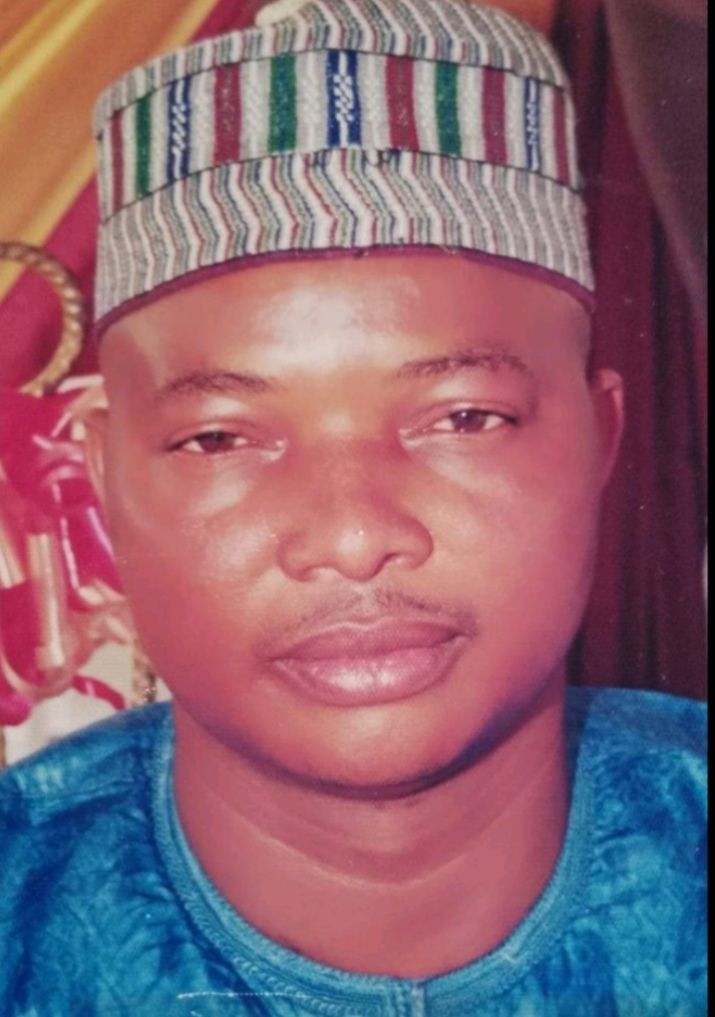
.. Abdulkarim Abdulkarim Abdulmalik said that GIMP was established to advance peace, tolerance, harmony and acceptance of religious plurality among the various people of the world.
The Nigerian Communications Commission (NCC) has taken another innovation in healthcare service to Akure, capital of Ondo State, with the commissioning of E-health technology. The e-Health project was commissioned today, May 29, by the NCC Executive Vice Chairman and Chief Executive Officer, Dr. Aminu Maida, at the State Specialist Hospital, Akure, Ondo State. Speaking at the commissioning, Dr. Maida said the innovation attested to the collective efforts of the NCC to harness the power of Information and Communication Technology (ICT) to improve and revolutionise the health sector in Nigeria in a manner that better serves citizens. He said that the completion of the e-Health Project in Akure is a testament to the NCC’s commitment to driving innovation, research and growth in the nation’s digital economy. “This is two-pronged: First, ICT can better integrate the health sector into the digital economy to enjoy the ubiquity that other sectors of the economy already benefit from. “Secondly, healthy citizens contribute better to the digital economy even as they access care from e-health platforms. “We thus enhance the quality of medical services and ensure that services are accessible to all, regardless of geographical location, by integrating advanced ICT solutions into healthcare.” De. Maida is hopeful that with its successful take-off, the project would further promote the NCC’s drive to speed up the adoption of ICT in the health sector. “The implementation of e-health solutions will streamline medical processes, enhance patient care, and facilitate the efficient management of health records. “With the State Specialist Hospital in Akure now equipped with innovative technology that enables healthcare professionals to deliver timely and accurate diagnoses, treatment plans, and follow-up care, we expect that these will improve patient satisfaction and positive health outcomes. This is because the benefits of this project go beyond the hospital walls to the larger community and set a precedent for other healthcare institutions nationwide.” The NCC Boss reaffirmed the commitment of the Commission to collaborate with relevant stakeholders for more of such innovative project, acknowledging that the project succeeded because stakeholders such as technology experts and the government worked diligently with NCC. “This collaboration has created a model that can be replicated and scaled to other regions, ensuring that the advantages of ICT in healthcare are felt nationwide.” He expressed appreciation to such stakeholders who have contributed to the realisation of the project, saying: “your dedication, expertise and support have been instrumental in bringing this vision to life. It is through such collaborative endeavours that we can continue to drive progress and innovation in our country.”
Two years ago, Bola Tinubu swept into power on the wings of his “Renewed Hope” mantra, promising prosperity, stability and a break from Nigeria’s cycle of dysfunction. Today (May 29), as his administration marks its midterm, that hope has curdled into despair. Tinubu’s tenure has been a masterclass in economic mismanagement, policy incoherence and a staggering indifference to the suffering of ordinary Nigerians. From skyrocketing inflation to a collapsing power sector; from mass unemployment to a security crisis spiraling out of control, his government has presided over a midterm of unrelenting misery. *The Fuel Subsidy Fiasco: A Self-Inflicted Economic Catastrophe* Tinubu’s defining act—the abrupt removal of petrol subsidies on his inauguration day—was less a bold reform than an act of economic arson. Overnight, petrol prices surged from ₦185 to over ₦1,000 per litre, triggering a chain reaction of hyperinflation in transportation, food, and basic goods . The government’s justification—that subsidy removal would free funds for development—rings hollow when Nigerians see no tangible improvements in infrastructure or social services. Instead, they face a brutal cost-of-living crisis, with inflation peaking at 34.8% in late 2024. Worse still, the promised benefits of subsidy removal—like domestic refining capacity—remain a mirage. Despite Tinubu retaining the petroleum portfolio (a dubious tradition of Nigerian leaders), fuel imports continue as local refineries struggle. The much-hyped Dangote Refinery, while a rare bright spot, has yet to offset the crisis, leaving Nigeria’s energy sector in shambles . *The Power Sector: Darkness and Dysfunction** If Tinubu’s handling of fuel was disastrous, his administration’s approach to electricity is outright negligent. Under Minister Adebayo Adelabu, Nigeria’s power grid collapsed **12 times in 2024 alone**, plunging homes, businesses, and even hospitals into darkness . Universities and medical facilities, including the prestigious University College Hospital, were disconnected for months over unpaid bills—forcing the government to scramble for a ₦10 billion solar bailout for Aso Rock itself . With only 5,000 megawatts for a population of over 200 million—compared to South Africa’s 58,000 MW—Nigeria’s power sector is a lamentable laughingstock. The introduction of punitive “consumption bands” has only raised costs without improving supply, perversrly squeezing households and businesses . **Economic Freefall: The Naira’s Nosedive and the Exodus of Jobs** Finance Minister Wale Edun presides over an economy in freefall. The naira, once trading at ₦740 to the dollar, now wobbles between ₦1,500 and ₦1,600, eroding savings and purchasing power . The new minimum wage of ₦70,000 is a cruel joke when compared to South Africa’s ₦393,000 or Egypt’s ₦209,000—yet even this paltry sum remains unimplemented in many states of Nigeria. Multinationals, from Diageo to Kimberly-Clark, have fled Nigeria, taking 20,000 jobs along with them. The reason? An unfriendly business environment, erratic power, and suffocating bureaucracy . Meanwhile, the “japa” syndrome drains the country of doctors, engineers, and skilled professionals, leaving critical sectors in manpower ruination. **Security: A Government in Denial** Despite allocating ₦6.11 trillion to defense in 2025, Tinubu’s security chiefs have failed spectacularly. Boko Haram, ISWAP, bandits, and newly emerging terror groups in Sokoto and Kwara continue their reign of unchecked violence and impunity. Plateau and Benue states remain blood-soaked battlegrounds, while the military struggles to protect even its own bases from attacks. The government’s hollow assurances—”terrorists are no match for our troops”—are an insult to grieving communities and their hapless victims. *Ethnic Favoritism and a Divided Nation* Beyond policy failures, Tinubu has exacerbated Nigeria’s fragile unity by stacking key institutions with his ethnic Yoruba appointees. All eight of Nigeria’s most powerful positions—Central Bank, NNPC, Police, Army, Customs, EFCC, and others—are now held by Yorubas, a historic imbalance that fuels ethnic tensions and magnifies the fault lines of a deeply divided nation. Critics, including voices from his own party, warn that this lopsidedness undermines national cohesion and sets a dangerous precedent . Tinubu’s midterm report card is one of broken promises and worsening suffering. His reforms, praised by vampire and blood sucking international bodies like the IMF, have yet to translate into tangible relief for Nigerians . Instead, his administration oscillates between denial and deflection—APC governors may trumpet “vindication,” but the streets tell a continuosly different story. With two years left in an era of unprecedented bungling blunders, Tinubu has a choice: course-correct with genuine reforms, fiscal discipline, and inclusive governance—or double down on the same blunders while eyeing re-election in 2027. For now, Nigerians endure a midterm of misery, led by a government that governs for itself and it’s cronies, not the Nigerian people it swore to serve.
Haruna Yahaya Poloma can be reached on: harunapoloma@yahoo.co
President Bola Tinubu has made it clear that his bold economic reforms, painful as they appeared, saved Nigeria from runaway inflation, external debt default, crippling fuel shortages, a plunging Naira, and an economy in a free-fall. He acknowledged however that while implementing the reforms necessary to strengthen the economy and deliver shared prosperity, “we have remained honest by acknowledging some of the difficulties experienced by our compatriots and families. “We do not take your patience for granted. I must restate that the only alternative to the reforms our administration initiated was a fiscal crisis that would have bred runaway inflation, external debt default, crippling fuel shortages, a plunging Naira, and an economy in a free-fall.” In his statement today, May 29, on the state-of-the-nation in commemoration of his Second Year in office, Tinubu stressed that the reforms are not just about revenue but about stimulating inclusive economic growth. “As a result of our bold and deliberate policies, the economy is growing stronger again. Real GDP rose by 4.6% in Q4 2024, with full-year growth of 3.4%. This is one of the strongest in a decade.” Read the other parts of the Presidential statement, titled: “We Have Made Undeniable Progress.” Fellow Nigerians, as we mark the second anniversary of our administration, I salute your resilience and undaunted spirit. Two years ago, you entrusted me with the sacred responsibility to lead our nation at a time of historic challenges. Together, we have faced these headwinds with courage and determination. The economic and general situation of the country I inherited required that we redirect the country’s affairs with a bold and new vision. I immediately implemented two necessary policies to stop our country from further drifting into the precipice. It was apparent that if the federal government and the other two tiers of government must remain viable and cater to the citizens’ welfare, we must do away with decades-long fuel subsidies and the corruption-ridden multiple foreign exchange windows. The two were no longer sustainable and have become a chokehold on our nation’s neck, strangling our nation’s future. While our administration has implemented the reforms to restore and reinvigorate our national economy and strengthen our social fabric as a strong and united country, I must thank my fellow citizens for your unrelenting support and belief in the grand vision we share to uplift our nation and renew our collective hopes and aspirations. We are halfway through the journey that began 24 months ago. Today, May 29, 2025, offers our administration the opportunity to share again how far we have gone and our progress in steering our country along the critical path of socio-economic development. When we embarked on this journey, propelled by a burst of hope and abiding faith in Nigeria’s unity and progress, I made a pledge before God and fellow countrymen and women to confront Nigeria’s challenges head-on by rebuilding trust, fostering prosperity, and restoring our nation’s economic health. Today, I proudly affirm that our economic reforms are working. We are on course to building a greater, more economically stable nation. Under our Renewed Hope Agenda, our administration pledged to tackle economic instability, improve security nationwide, reduce corruption, reform governance, and lift our people out of poverty. Despite the bump in the cost of living, we have made undeniable progress. Inflation has begun to ease, with rice prices and other staples declining. The oil and gas sector is recovering; rig counts are up by over 400% in 2025 compared to 2021, and over $8 billion in new investments have been committed. We have stabilised our economy and are now better positioned for growth and prepared to withstand global shocks. In 2025, we remain on track with our fiscal targets. Gross proceeds per barrel from crude oil are broadly aligned with our forecasts as we intensify our efforts to ramp up production. Our fiscal deficit has narrowed sharply from 5.4% of GDP in 2023 to 3.0% in 2024. We achieved this through improved revenue generation and greater transparency in government finances. In the first quarter of this year, we recorded over N6 trillion in revenue. We have discontinued Ways & Means financing, which has been a major contributor to high and sticky inflation. The NNPC, no longer burdened by unsustainable fuel subsidies, is now a net contributor to the Federation Account. We are also achieving fuel supply security through local refining. Our debt position is improving. While foreign exchange revaluation pushed our debt-to-GDP ratio to around 53%, our debt service-to-revenue ratio dropped from nearly 100% in 2022 to under 40% by 2024. We paid off our IMF obligations and grew our net external reserves by almost 500% from $4 billion in 2023 to over $23 billion by the end of 2024. Thanks to our reforms, state revenue increased by over N6 trillion in 2024, ensuring that subnational governments can reduce their debt burden, meet salaries and pension obligations on a timely basis, and invest more in critical infrastructure and human capital development. One of our administration’s most impactful achievements is our bold tax reform agenda, which is already yielding results. By the end of 2024, our tax-to-GDP ratio rose from 10% to over 13.5%, a remarkable leap in just one year. This was not by accident. It results from deliberate improvement in our tax administration and policies designed to make our tax system fairer, more efficient, and more growth-oriented. We are eliminating the burden of multiple taxation, making it easier for small businesses to grow and join the formal economy. The tax reforms will protect low-income households and support workers by expanding their disposable income. Essential goods and services such as food, education, and healthcare will now attract 0% VAT. Rent, public transportation, and renewable energy will be fully exempted from VAT to reduce household costs further. We are ending the era of wasteful and opaque tax waivers. Instead, we have introduced targeted and transparent incentives supporting high-impact manufacturing, technology, and agriculture sectors. There is a deliberate focus on our youth, who a friendlier tax environment for digital jobs and remote work will empower. Through export incentives, Nigerian businesses will be able to compete globally. Our National Single Window project streamlines international trade, reduces delays, and enhances Nigeria’s competitiveness. To promote fairness and accountability, we are establishing a Tax Ombudsman, an independent institution that will protect vulnerable taxpayers and ensure the system works for everyone, especially small businesses. Most importantly, we are laying the foundation for a more sustainable future by introducing a new national fiscal policy. This strategic framework will guide our approach to fair taxation, responsible borrowing, and disciplined spending. These reforms are designed to reduce the cost of living, promote economic justice, and build a business-friendly economy that attracts investment and supports every Nigerian. Together, we are creating a system where prosperity is shared, and no one is left behind. We have breathed new life into the Solid Minerals sector as part of our efforts to diversify the economy. Revenue has increased phenomenally, and investors are setting up processing plants as the sector dumps the old pit-to-port policy and embraces a new value-added policy. We have also repositioned our health sector despite all odds. Over 1,000 Primary Health Centres are being revitalised nationwide. An additional 5,500 PHCs are being upgraded under our Renewed Hope Health Agenda. We are establishing Six new cancer treatment centres. Three are ready. We offer free dialysis services in pilot tertiary hospitals and subsidise the service in others. Under the Presidential Maternal Health Initiative, over 4,000 women have undergone free cesarean sections. Lastly, we have expanded Health Insurance Coverage from 16 million to 20 million within two years. Without a responsive and reliable national security infrastructure that can protect lives and properties, our economy will not perform optimally, and those who seek to harm us will impair and disrupt our way of life. Our administration is committed to the security and safety of our people. For our government, protecting our people and their peaceful way of life is the utmost priority. Since I assumed our country’s leadership, our administration has improved collaboration among security agencies, increased intelligence-driven operations, and better ensured the welfare of our armed forces and security personnel. I use this opportunity to salute the courage and everyday sacrifice of our service men and women. We may not always witness the tremendous efforts they make to keep us safe, but we benefit every day from the results of their dedication. Even if we do not thank them often enough, they willingly face danger so we can go about our lives freely and without fear. Our military, police, and intelligence agencies are committed to always responding to emerging security threats and new challenges because it is the patriotic duty they owe a grateful nation. Amid the new security challenges, we can report some successes. In some areas of the northwest, hitherto under the control of bandits, our gallant armed forces have restored order, reducing and eliminating threats to lives and livelihoods. With the success achieved, farmers are back tilling the land to feed us. Highways, hitherto dangerous for travellers, have become safer. Our security agencies have succeeded many times in rescuing the abducted citizens from the hands of their tormentors. I promise you, we shall remain vigilant, as I told security chiefs during the last meeting to up their game and collaborate to end this plague of evil men. Every Nigerian deserves to live without fear. Outside of Security, we have prioritised human capital development as a central pillar of our national development strategy. To this end, we have significantly expanded access to quality education through infrastructure investments and the student loan scheme to support indigent students in tertiary institutions. Through the Renewed Hope Health initiative, our administration has begun equipping health facilities and deploying skilled personnel to unserved areas. We are also strengthening our response to public health threats and implementing targeted social investment schemes. Our youth empowerment initiatives include access to funds, skill development, and creating employment opportunities. Through our MSME support, we empower the next generation and bridge inequality. In our mission to empower the next generation, we have taken bold steps to place young Nigerians at the heart of national development. Nowhere is this more evident than at the National Agency for Science and Engineering Infrastructure (NASENI), where the current management is making giant strides. NASENI has embraced a digital-first approach, introduced real-time dashboards, and implemented end-to-end e-procurement through its Unified ERP System—setting a new governance benchmark for public institutions. Through bold, high-impact programmes like Innovate Naija, Irrigate Nigeria, the Asset Restoration Programme, and the Renewable Energy and Innovation Park in Gora, NASENI drives inclusive industrialisation at scale. From assembling electric vehicles and reviving idle assets to launching Africa’s most advanced Rapid Diagnostic Kit Factory and training female drone engineers through the NASCAV programme, these initiatives are creating jobs, restoring dignity to work, and opening up a future of possibilities for our youth. This is the movement we promised—a government of action powered by the energy and innovation of young Nigerians. Agriculture and food security are top priorities of our Renewed Hope Agenda. We have launched aggressive initiatives to boost local food production, support farmers, and stabilise food prices. We have also invested in mechanised farming by procuring thousands of tractors, other farming tools, and fertilisers. Under the Renewed Hope Agenda, the federal government has continued with major road construction and rehabilitation projects across all geopolitical zones, from the Abuja-Kaduna-Zaria-Kano Dual Carriageway, the 9th Mile-Oturkpo-Makurdi Road, the Lagos-Calabar Coastal Highway, Abuja-Lokoja-Benin Road, Enugu-Onitsha Expressway, Oyo-OgbomosoRoad, Sokoto-Badagry Road, Enugu-Port Harcourt Expressway, Second Niger Bridge Access Road to Bodo-Bonny Road among hundreds of ongoing road projects across the country. We have launched initiatives to improve electricity generation by upgrading generation and transmission infrastructure and investing in off-grid solar energy to power our homes, business premises, industries, schools and hospitals. In the spirit of democracy and national renewal, we are preparing to welcome the world to Nigeria soon for the Motherland Festival. This landmark gathering will spotlight our rich heritage, dynamic creative industries, and the vibrant energy of our people. It will showcase Nigeria’s beauty through tourism, culture, and innovation, inviting the world to rediscover our nation. The Nigerian diaspora plays a vital role in our national transformation. Their expertise, investment, and global perspective are key to shaping the future we seek. In recognition, the government has introduced policies like the diaspora bond and the non-resident Bank Verification Number to make it easier for Nigerians abroad to invest, engage, and contribute meaningfully to the country’s progress. The Motherland Festival will bring together voices from across the continent and the diaspora in a decisive moment of unity and purpose, affirming that Nigeria is not only a leader in Africa but a committed global partner ready to engage, inspire, and lead. Once again, I acknowledge the sacrifices many Nigerians have made and continue to make as we reposition our country, not just for today but for generations yet unborn. Our journey is not over, but our direction is clear. So is our resolve to tackle emerging challenges. By the Grace of God, we are confident that the worst is behind us. The real impact of our governance objectives is beginning to take hold. The future is bright, and together, we will build a stronger, more inclusive Nigeria that we can all be proud of. Thank you all, and May God continue to bless the Federal Republic of Nigeria.
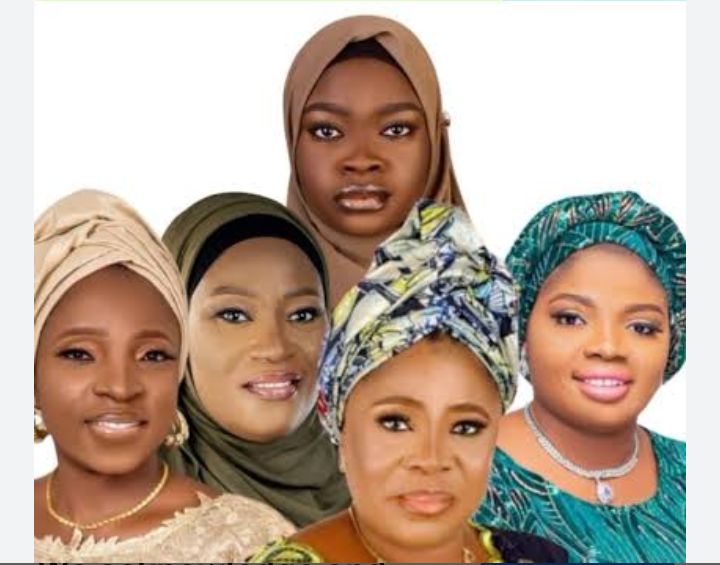
Findings have confirmed that Kwara State has emerged as having the highest number of female lawmakers in the State House of Assembly. This fact emerged at a Consultative Session organized by the International Press Center (IPC), in conjunction with the Guild of Corporate Online Publishers (GOCOP). It was held today, May 27, in Abuja. The Session was sponsored by the European Union (EU). It was discovered that Kwara has six female lawmakers in the Assembly, with Kogi State having two, one of who is the Deputy Speaker of Kogi State House of Assembly. The Session, co-chaired by the Executive Director of IPC, Mr. Lanre Arogundade and President of GOCOP, Ms Maureen Chigbo, also discovered that there is no single woman legislator in both Imo and Osun States. The Session resolved to address the unequal political positions in the polity by mounting campaigns, enlightenment, capacity building and to stage battle against all human and natural forces inhibiting women participation in the nation’s electoral processes and activities. In a keynote lecture, Ms. Anikea Funke-Treasure of Iluminate Nigeria described social media, represented by GOCOP as a game changer in the move to change negative narrative about women participation in politics in Nigeria. She called on the online newspaper publisher to engineer positive change by using their platforms to bring invisible women in politics to limelight, identify the ones that are afraid to come out to express themselves and making them visible. “GOCOP members should highlight women policy voices and counter negative narrative about them.”
We use cookies on our website to give you the most relevant experience by remembering your preferences and repeat visits. By clicking “Accept”, you consent to the use of ALL the cookies.
This website uses cookies to improve your experience while you navigate through the website. Out of these, the cookies that are categorized as necessary are stored on your browser as they are essential for the working of basic functionalities of the website. We also use third-party cookies that help us analyze and understand how you use this website. These cookies will be stored in your browser only with your consent. You also have the option to opt-out of these cookies. But opting out of some of these cookies may affect your browsing experience.
Necessary cookies are absolutely essential for the website to function properly. This category only includes cookies that ensures basic functionalities and security features of the website. These cookies do not store any personal information.
Any cookies that may not be particularly necessary for the website to function and is used specifically to collect user personal data via analytics, ads, other embedded contents are termed as non-necessary cookies. It is mandatory to procure user consent prior to running these cookies on your website.






 .. Abdulkarim



Midterm Of Misery: Bungling Blunders Of President Tinubu, By Haruna Yahaya Poloma
Two years ago, Bola Tinubu swept into power on the wings of his “Renewed Hope” mantra, promising prosperity, stability and a break from Nigeria’s cycle of dysfunction.
Today (May 29), as his administration marks its midterm, that hope has curdled into despair. Tinubu’s tenure has been a masterclass in economic mismanagement, policy incoherence and a staggering indifference to the suffering of ordinary Nigerians.
From skyrocketing inflation to a collapsing power sector; from mass unemployment to a security crisis spiraling out of control, his government has presided over a midterm of unrelenting misery.
*The Fuel Subsidy Fiasco: A Self-Inflicted Economic Catastrophe*
Tinubu’s defining act—the abrupt removal of petrol subsidies on his inauguration day—was less a bold reform than an act of economic arson. Overnight, petrol prices surged from ₦185 to over ₦1,000 per litre, triggering a chain reaction of hyperinflation in transportation, food, and basic goods . The government’s justification—that subsidy removal would free funds for development—rings hollow when Nigerians see no tangible improvements in infrastructure or social services. Instead, they face a brutal cost-of-living crisis, with inflation peaking at 34.8% in late 2024.
Worse still, the promised benefits of subsidy removal—like domestic refining capacity—remain a mirage. Despite Tinubu retaining the petroleum portfolio (a dubious tradition of Nigerian leaders), fuel imports continue as local refineries struggle. The much-hyped Dangote Refinery, while a rare bright spot, has yet to offset the crisis, leaving Nigeria’s energy sector in shambles .
*The Power Sector: Darkness and Dysfunction**
If Tinubu’s handling of fuel was disastrous, his administration’s approach to electricity is outright negligent. Under Minister Adebayo Adelabu, Nigeria’s power grid collapsed **12 times in 2024 alone**, plunging homes, businesses, and even hospitals into darkness . Universities and medical facilities, including the prestigious University College Hospital, were disconnected for months over unpaid bills—forcing the government to scramble for a ₦10 billion solar bailout for Aso Rock itself .
With only 5,000 megawatts for a population of over 200 million—compared to South Africa’s 58,000 MW—Nigeria’s power sector is a lamentable laughingstock. The introduction of punitive “consumption bands” has only raised costs without improving supply, perversrly squeezing households and businesses .
**Economic Freefall: The Naira’s Nosedive and the Exodus of Jobs**
Finance Minister Wale Edun presides over an economy in freefall. The naira, once trading at ₦740 to the dollar, now wobbles between ₦1,500 and ₦1,600, eroding savings and purchasing power . The new minimum wage of ₦70,000 is a cruel joke when compared to South Africa’s ₦393,000 or Egypt’s ₦209,000—yet even this paltry sum remains unimplemented in many states of Nigeria.
Multinationals, from Diageo to Kimberly-Clark, have fled Nigeria, taking 20,000 jobs along with them. The reason? An unfriendly business environment, erratic power, and suffocating bureaucracy . Meanwhile, the “japa” syndrome drains the country of doctors, engineers, and skilled professionals, leaving critical sectors in manpower ruination.
**Security: A Government in Denial**
Despite allocating ₦6.11 trillion to defense in 2025, Tinubu’s security chiefs have failed spectacularly. Boko Haram, ISWAP, bandits, and newly emerging terror groups in Sokoto and Kwara continue their reign of unchecked violence and impunity. Plateau and Benue states remain blood-soaked battlegrounds, while the military struggles to protect even its own bases from attacks. The government’s hollow assurances—”terrorists are no match for our troops”—are an insult to grieving communities and their hapless victims.
*Ethnic Favoritism and a Divided Nation*
Beyond policy failures, Tinubu has exacerbated Nigeria’s fragile unity by stacking key institutions with his ethnic Yoruba appointees. All eight of Nigeria’s most powerful positions—Central Bank, NNPC, Police, Army, Customs, EFCC, and others—are now held by Yorubas, a historic imbalance that fuels ethnic tensions and magnifies the fault lines of a deeply divided nation. Critics, including voices from his own party, warn that this lopsidedness undermines national cohesion and sets a dangerous precedent .
Tinubu’s midterm report card is one of broken promises and worsening suffering. His reforms, praised by vampire and blood sucking international bodies like the IMF, have yet to translate into tangible relief for Nigerians . Instead, his administration oscillates between denial and deflection—APC governors may trumpet “vindication,” but the streets tell a continuosly different story.
With two years left in an era of unprecedented bungling blunders, Tinubu has a choice: course-correct with genuine reforms, fiscal discipline, and inclusive governance—or double down on the same blunders while eyeing re-election in 2027. For now, Nigerians endure a midterm of misery, led by a government that governs for itself and it’s cronies, not the Nigerian people it swore to serve.
Haruna Yahaya Poloma can be reached on:
harunapoloma@yahoo.co