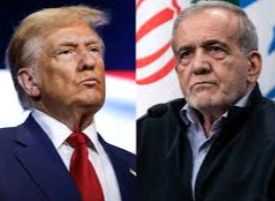
Reports reaching us at Greenbarge Reporters online newspaper in Nigeria indicated that the United States and Iran have agreed to a 2-week ceasefire in a fierced war that has lingered between the US/Israel and Iran for the past five weeks. This is even as Israel is in support of the ceasefire pact and is being involved in the process, along with Lebanon. Iran is believed to have agreed to reopen the Strait of Hormuz during these two weeks, but will continue to collect tolls, confirming de-facto Iranian control over the waterway. In turn, America has agreed to begin negotiations in Islamabad on Friday, based on Iran’s 10-point plan. The acceptance of Iran’s 10-point plan, which contains the lifting of sanctions, guarantees of non-aggression, acceptance of nuclear enrichment, formal Iranian control over the Strait of Hormuz and other things, is a precondition for the establishment of a permanent ceasefire. Iran warned that if America does not abide by the 10-point plan of Iran, it is likely the war will continue after two weeks. Below is a statement by Iran’s Supreme National Security Council that is trending on social media this morning, April 8: ‘The United States has accepted a humiliating defeat and agreed to all of Iran’s demands, including the 10 points: 1. Commitment to non-aggression. 2. Continued Iranian control over the Strait of Hormuz. 3. Acceptance of uranium enrichment. 4. Lifting of all primary sanctions. 5. Lifting of all secondary sanctions. 6. Termination of all resolutions of the UN Security Council 7. Termination of all resolutions of the IEAE Board of Governors. 8. Payments of compensation for Iran. 9. Withdrawal of American combat forces from the region. 10. Cessation of war on all theatres, Lebanon, Yemen and Palestine. Trump has accepted all these 10 points for negotiation.
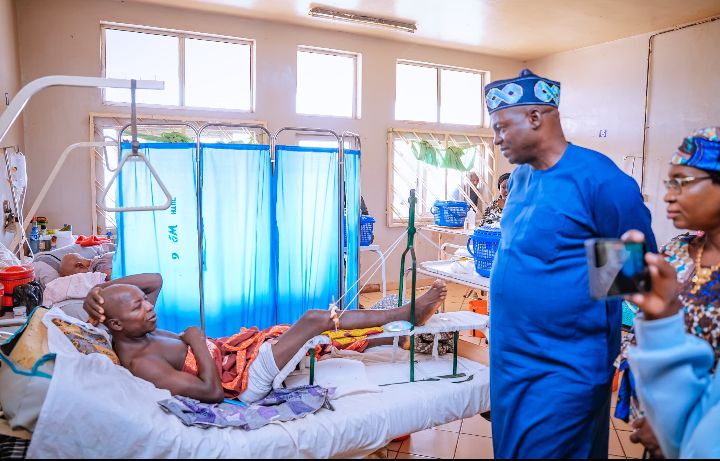
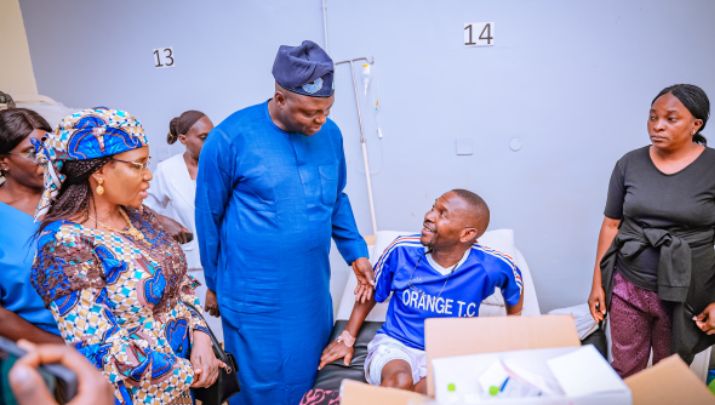
The National Chairman of the All Progressives Congress (APC), Professor Nentawe Goshwe Yilwatda has announced a donation of N15,000,000 to support the victims of the Angwan Rukuba attack as well as other vulnerable patients receiving treatment at the Jos, Plateau State University Teaching Hospital. The money is intended to ease the immediate burden of medical care and provide some measure of relief to those going through physical pain, emotional trauma and financial hardship as a result of the incident. Professor Yilwatda announced the cash donation today, April 4, when he visited victims of the recent attack in Angwan Rukuba, Jos North Local Government Area of Plateau State, currently receiving treatment at the Jos University Teaching Hospital (JUTH). He was accompanied by his wife, Dr. Martina Yilwatda.
Professor Yilwatda described the attack as barbaric, painful, unacceptable and a direct assault on our common humanity, stressing that the time has come for all stakeholders to move beyond routine condemnation and work deliberately and collectively to prevent any recurrence of such senseless violence. In a statement by Abimbola Tooki, Special Adviser to the National Chairman of APC on Media and Communications Strategy, Yilwatda said that the pain of the victims and their families is a burden that must be shared by all men and women of conscience. He said that no society can make meaningful progress where innocent citizens continue to live in fear and uncertainty. The APC boss said that the administration of President Bola Ahmed Tinubu is committed to restoring peace, strengthening security operations and ensuring that all parts of the country, including Plateau State, enjoy the safety and stability necessary for development and peaceful coexistence. Professor Yilwatda assured the victims and their families that the Federal Government is not leaving any stone unturned in its determination to ensure that every Nigerian life is valued, protected, and defended against criminality, violence, and terror. He emphasized that the tragedy in Angwan Rukuba must serve as a wake-up call to all leaders, communities, security institutions and political actors to rise above division and work in unity to confront the forces of violence threatening the peace of Plateau and other parts of the country. Professor Yilwatda used the occasion to commiserate with the families of those who lost their lives in the attack, praying for the peaceful repose of the departed and asking God to grant their loved ones the strength and courage to bear the painful and irreparable loss. He expressed deep appreciation to the management and medical personnel of the Jos University Teaching Hospital for their prompt response, professionalism and commitment in attending to the victims and saving lives under difficult circumstances. The National Chairman also paid a condolence visit to the Paramount Ruler of Jos North Local Government Area, the Ujah Anaguta, over the attack on residents of Anguwan Rukuba, a community within his domain. He said that the tragedy in Plateau must not be normalized, politicized or reduced to another passing news cycle, but that it should provoke renewed urgency, coordinated action, stronger intelligence gathering, deeper community engagement and sustained security intervention to ensure that communities across the state are protected from further attacks. He called on political leaders, traditional rulers, religious leaders, youth groups, civil society organizations and community stakeholders to close ranks and reject every form of hatred, division, provocation and violence capable of threatening the peace and unity of Plateau State. Professor Yilwatda maintained that Plateau, with its rich diversity, history and strategic importance, must not be allowed to descend into repeated circles of bloodshed, grief, and instability. He said that the APC, the Federal Government and all responsible stakeholders are united in the resolve to ensure that there is no repeat of such horrific incidents and that every necessary step will continue to be taken to restore confidence, strengthen peace, and guarantee security for all residents of the state.
There is a simple truth about power: it can make nations forget. Not just forget others; but forget themselves. The story of the United States of America (USA) is, in many ways, the story of a country that rose to greatness on the strength of ideas – freedom, democracy, opportunity – but has often struggled to live by those same ideals when dealing with the rest of the world. To understand this tension, let’s go back to the end of World War II. Much of Europe was in ruins. Millions were dead. On the premise of that devastation, the USA stepped forward; not just as a victor, but as a builder. It helped rebuild broken economies, supported new international institutions, and positioned itself as a defender of liberty. At that moment, America looked less like an empire but more like a hope. But history rarely moves in straight lines. Following the emergence of the Cold War, fear began to shape decisions. The rise of communism was seen not just as a political threat, but as an existential one. In a desperate effort to stop it, the United States continually abandoned the very democratic principles it claimed to defend. Governments were influenced, elections were undermined, and in some cases, leaders were removed; not because they were tyrants, but because they were seen as ideologically inconvenient for American democracy to tolerate. To the ordinary people in parts of Latin America, Africa, and Asia, “freedom” as it were, began to feel selective. Then came Vietnam—a war that still echoes in global memory. For many Americans, it was a painful chapter filled with loss and national introspection. For the Vietnamese, it was something deeper: a devastating conflict that tore through families, villages, and generations. The tragedy was not just in the scale of destruction, but in the stubborn belief that power alone could dictate outcomes in a land with its own history, identity, and will. One might think such a lesson would be unforgettable. Decades later, history seemed to whisper the same warning. Once again, it went largely unheeded. The 2003 invasion of Iraq was presented as a necessary act to eliminate a looming threat. But when the promised weapons of mass destruction were not found, what remained was a fractured nation, deepened instability, and a region struggling to recover. For many outside the United States, the war reinforced a familiar perception: that American power often acts first and reflects later. Yet, it would be unfair and inaccurate to paint the United States as simply oppressive. The country is far more complex than that. It is a place where citizens protest wars, where journalists question authority, and where students debate justice and history with passion. During Vietnam and Iraq, millions of Americans themselves raised their voices in dissent. That matters. It shows that within the system, there is a conscience. Meanwhile, when conscience is ignored by power, it becomes frustration. History offers several warnings about what happens when powerful nations stop listening. The Roman Empire once stretched across continents, confident in its strength, yet ultimately weakened by internal decay and overexpansion. The British Empire ruled vast territories, only to watch them slip away as people demanded dignity and self-rule. These were not sudden collapses. They were slow realizations that power without fairness cannot last. Sooner or later, it evaporates. That not withstanding, there is something unique about how America sees itself. The idea of “exceptionalism.” Different as they perceive it, America see it as being perhaps even immune from the fate of past empires. It runs deep into the country’s political culture.
Trump
Exceptionalism is an idea that inspires confidence, but also, at times, blinds. This is because, history does not grant exemptions. Today, the world is changing. Countries like China and Russia are asserting themselves more forcefully, challenging the idea that one nation alone can shape global affairs. Power is therefore becoming more distributed, more contested, and more complex. It is against this backdrop that domination is no longer as effective as cooperation in the fast unfolding World politics. For many people outside the United States including here in Nigeria, global politics is not an abstract debate. Far from that! It affects real lives: fuel prices, security concerns, economic opportunities, even social tensions. When powerful countries act without listening, smaller nations often bear the consequences. That is why the question of whether America learns from history is not just an American issue—it is a global one. The encouraging reality, however, is that the United States of America still has the ability to change course. Its greatest strength has never been just its military or economy, but its capacity for self-reflection. It has, at different moments in its history, corrected itself—sometimes slowly, sometimes painfully, but meaningfully. The civil rights movement, the end of unpopular wars, the expansion of democratic rights—these are reminders that learning is possible. But learning requires humility. It requires asking difficult questions: Are we listening enough? Are we acting justly? Are we repeating what we once criticized in others? Power, when guided by wisdom, can build. But power without memory and the discipline to learn from past mistakes could easily result to destruction. The paradox of the United States of America is that it remains both a teacher and a student of democracy. It teaches through its ideals, but it is still learning how to apply them consistently. That, perhaps, is the real story: not of a villain, but of a nation still struggling to align its strength with its values. The paradox remains: a nation that Teaches the World about democracy, yet struggles to apply it’s principles consistently beyond it’s borders. History is watching. The world is watching as the US-Israeli’s imposed war on Iran rages.
– Abdulkarim Abdulmalik, Abuja based veteran journalist can be reached on: nowmalik@gmail.com
No fewer than 50 patients have been confirmed dead at the Federal Medical Centre (FMC), Jalingo, from an outbreak of Lassa fever in Taraba State. The Head of Clinical Services at the hospital, Dr Suleiman Abubakar Kirim, in an interview with journalists, described the development as the most severe outbreak. According to him, a total of 226 suspected cases were admitted at the facility, out of which 95 were laboratory-confirmed. He said that out of the confirmed cases, 50 patients died, while 20 others have been successfully treated and discharged. Dr. Kirim said that new cases are still being reported and that the current situation represents the highest number of suspected cases and fatalities recorded by the centre in recent years. He was confident that the rate of infection would decline with the onset of the rainy season, explaining that Lassa fever transmission is typically higher during the dry season. The hospital management said that recently introduced service packs are aimed at ensuring standardisation, efficiency, safety, and accountability in healthcare delivery. The management emphasised that, in the context of recurring infectious, disease outbreaks such as Lassa fever, the importance of controlled and structured healthcare systems cannot be overstated. It noted that the service pack system is not unique to FMC Jalingo but is a standard practice in leading tertiary institutions across Nigeria, including Lagos University Teaching Hospital, Ahmadu Bello University Teaching Hospital, and University of Ilorin Teaching Hospital. It said that similar systems are also used in advanced health systems in countries such as Ghana, the United States, India, and South Africa. According to the management, service packs play a critical role in infection prevention and control by ensuring the availability of sterile and properly structured consumables. “The absence of properly structured and sterile consumables, or reliance on repeatedly handled materials, increases the risk of transmission to healthcare workers and other patients, with potentially severe public health consequences. “Service packs therefore serve as a frontline safeguard for both patients and medical personnel.”
There’s no doubt that Nigeria has long emerged as a nation of diverse faith, ethnicity and culture. In that context therefore, the pursuit of religious harmony has become not just a moral aspiration but a strategic imperative for national security and sustainable development. Over the years, Nigeria has grappled with recurrent religious tension, misinformation and identity-based conflicts. Such tensions have continually threatened its unity and undermined its socio-economic progress. These are the factors that have brought about the need for innovative, coordinated and credible platforms that can bridge the divides for the purpose of fostering dialogue. The Guild of Interfaith Media Practitioners Nigeria (GIMP-Nigeria), which stands as unique intersection of media practice and interfaith engagement, stands as one of such platforms that deserves greater national attention and institutional support. As a professional body made up of experienced journalists, editors, communication experts and faith-conscious media practitioners, the Guild is strategically positioned to influence public discourse, counter harmful stereotypes and promote narratives that emphasize co-existence, mutual respect and shared national values. It must be stressed that so far, the great potential of the group has remained barely noticed and therefore underutilized. It is therefore imperative for government institutions, faith leaders and interfaith non-governmental organizations (NGOs) to deliberately leverage GIMP-Nigeria as a partner in advancing religious harmony and strengthening national security. It is a fact well known across the world that the role of the media in shaping perceptions is unquatifiable. This is backgrounded in the dictum which says that conflicts are not only fought on the ground but amplified or de-escalated through the media. For example, sensational reporting, biased framing and the spread of unverified information have, at times, exacerbated tensions between religious communities in Nigeria. Conversely, responsible journalism that prioritizes accuracy, balance and sensitivity can serve as a powerful tool for peacebuilding. This is where GIMP-Nigeria’s mandate becomes critical. By promoting ethical reporting on religious issues and training media practitioners in conflict-sensitive journalism, the Guild can help transform the media landscape from one that sometimes fuels division to one that actively promotes unity. For the Nigerian government, particularly agencies responsible for information, security and national orientation, partnering with GIMP-Nigeria offers a cost-effective and impactful strategy for peace promotion. Rather than relying solely on top-down communication approaches, the government can benefit from the Guild’s grassroots networks and professional expertise to disseminate messages of tolerance and counter extremist narratives. Through joint campaigns, public enlightenment programmes and media training workshops, GIMP-Nigeria can serve as a trusted intermediary between the state and the citizenry, thereby enhancing credibility and public trust. Faith leaders, who wield significant influence over millions of Nigerians also have a critical role to play. The fact can not be controverted that their messages reach only their immediate congregations, but by collaborating with GIMP-Nigeria, they can amplify their voices across wider audiences through structured media engagement. The Guild can help translate sermons and interfaith dialogues into compelling media content: news features, documentaries, radio programmes and social media campaigns, reaching far audiences beyond the pulpit. This synergy can ensure that messages of peace are not confined to places of worship but become part of the national conversation. Interfaith NGOs, many of which are already doing commendable work in promoting dialogue and reconciliation can also benefit from the media expertise that GIMP-Nigeria provides. Too often, impactful grassroots initiatives remain under-reported, thereby limiting their reach and replication. By integrating GIMP-Nigeria into their programmes, these organizations can enhance visibility, document success stories and influence policy through strategic communication. The Guild’s members, trained in both media practice and interfaith sensitivity, are well-equipped to tell stories that inspire hope, challenge prejudice and highlight the dividends of peaceful coexistence. Beyond collaboration, there is also a need for institutional support. Government agencies and development partners should consider funding capacity-building initiatives led by GIMP-Nigeria, including training programmes on conflict-sensitive reporting, fact-checking and digital literacy. In an era where misinformation spreads rapidly through social media, equipping media practitioners with the skills to verify information and counter false narratives is essential for national security. GIMP-Nigeria can serve as a hub for such capacity-building efforts, ensuring that journalists and communicators across the country are better prepared to handle sensitive religious issues responsibly. Moreover, the inclusion of GIMP-Nigeria in national peacebuilding frameworks and security strategies can enhance policy coherence. Too often, media engagement is treated as an afterthought in conflict prevention and response. Recognizing GIMP-Nigeria as a strategic partner can help mainstream communication into peace and security initiatives, ensuring that narratives are aligned with broader national objectives. This approach not only addresses the symptoms of conflict but also tackles its underlying drivers, such as mistrust, misinformation and identity-based polarization. The private sector and international development partners also have a role to play. Corporate organizations, particularly those operating in conflict-prone areas, have a vested interest in promoting stability. By supporting GIMP-Nigeria’s initiatives as part of their corporate social responsibility, they can contribute to a more peaceful operating environment. Similarly, international donors working on governance, peacebuilding and media development can partner with the Guild to scale up its impact and share best practices across regions. Ultimately, the quest for religious harmony and national security in Nigeria requires a whole-of-society approach. No single actor, whether government, religious institution, or civil society organization can achieve this goal in isolation. What is needed is a collaborative framework that leverages the strengths of each stakeholder. GIMP-Nigeria offers a ready-made platform for such collaboration, combining professional media expertise with a deep commitment to interfaith understanding. As Nigeria continues to navigate its complex socio-political landscape, the importance of credible, responsible and peace-oriented communication cannot be overstated. By embracing and empowering GIMP-Nigeria, the nation has an opportunity to harness the power of the media as a force for unity rather than division. The time to act is now. Government agencies, faith leaders and interfaith NGOs must move beyond rhetoric and take concrete steps to integrate GIMP-Nigeria into their peacebuilding and security strategies. In doing so, Nigeria will not only strengthen its internal cohesion but also set an example for other multi-religious societies grappling with similar challenges. Peace is not merely the absence of conflict; it is the presence of justice, understanding and mutual respect. Through strategic partnerships with institutions like GIMP-Nigeria, that vision can become a reality.
The writer, Yusuf Ozi-Usman is the Director of Programmes Development, and member of the Governing Board of the Guild of Interfaith Media Practitioners Nigeria (GIMP-Nigeria). He can be reached at oziusman@yahoo.com
National chairman of the ruling All Progressives Congress (APC), Professor Nentawe Yilwatda has advocated the deployment of modern surveillance and intelligence-driven technology, including Artificial Intelligence-powered cameras, drones, advanced tracking systems and real-time intelligence gathering mechanisms, to detect, monitor and neutralize criminal elements in the country before they strike. He said that the present era of sophisticated criminality demands smarter, faster and more sophisticated security responses and that the protection of lives and property must be driven not only by manpower, but also by technology, intelligence, precision and accountability. The APC chairman, who along with the Governor of Plateau State, Barrister Caleb Mutfwang, received President Bola Tinubu in Jos, the state capital, condemned the killings of innocent residents of Angwan Rukuba in Jos North Local Government Area in the strongest and most unequivocal terms. Professor Nentawe Yilwatda described the attack as inhuman, cowardly, reprehensible and a direct assault on the peace, unity and soul of Plateau State. According to him, the continued shedding of innocent blood in Plateau is not only unacceptable but a national tragedy that must no longer be treated with routine outrage and temporary responses. In a Statement signed by Abimbola Tooki, Special Adviser to the National Chairman on Media and Communications stategy, Yilwatda stressed that the time has come for deliberate, coordinated, and result-oriented efforts by all relevant authorities and stakeholders to ensure that such dastardly and unconscionable acts never happen again in Plateau State or anywhere else in the country. Professor Yilwatda called on leaders of communities across Plateau State to become more vigilant, responsive, and proactive in identifying and reporting suspicious movements and security threats within their domains. He noted that the recurring pattern of killings strongly suggests that many of those behind these heinous acts are not ghosts or invisible invaders, but criminal elements and miscreants living within or around the communities, exploiting local vulnerabilities to unleash mayhem on innocent citizens. He said that these evil perpetrators must no longer be shielded by silence, fear, complicity, or communal indifference. He insisted that they must be identified, exposed, apprehended, and made to face the full wrath of the law. The APC National Chairman charged security agencies to urgently rethink and upgrade their security architecture and operational methods in tackling the persistent violence in Plateau State. He emphasized that the security agencies cannot continue to deploy outdated tactics against increasingly adaptive and ruthless criminal networks and expect a different outcome. He said that Plateau cannot continue to mourn in cycles, while the enemies of peace roam freely and repeatedly unleash terror on innocent citizens. Professor Yilwatda also drew attention to the grave economic implications of insecurity in Plateau State, lamenting that the state, which is richly blessed with breathtaking natural landscapes, vibrant tourism assets, and enormous economic potential, has continued to suffer avoidable setbacks due to persistent violence. He noted that Plateau has long been celebrated as a peaceful and attractive destination with some of Nigeria’s most vibrant tourism centres, cultural attractions, and agricultural potential, but all of these opportunities remain vulnerable and stunted in the face of recurring attacks. According to him, no economy can thrive where fear reigns, no investment can flourish where blood is spilled, and no society can truly prosper where innocent citizens live under the shadow of insecurity. He warned that without adequate protection of lives and communities, the social and economic future of the state could be severely paralysed, thereby depriving the people, especially young people, of prosperity, stability, and hope. Professor Yilwatda therefore called for a whole-of-society approach to ending the violence in Plateau, urging traditional institutions, religious leaders, political actors, youth groups, women’s groups, security operatives, and community stakeholders to work together in honesty and patriotism to restore peace and stability. During the visit, other leaders from across Plateau State also spoke passionately on the disturbing security situation in the state and the urgent need for decisive and sustained intervention to halt the bloodshed and restore confidence among the people. As part of the visit, President Tinubu, accompanied by Professor Nentawe Yilwatda, Governor Caleb Mutfwang, former leaders, and other key stakeholders, paid a visit to the families of the affected victims of the Angwan Rukuba attack. The visit to the bereaved families was a moving moment of compassion and national mourning, as the President shared in their pain and offered words of comfort, reassurance and solidarity in the face of unimaginable loss.
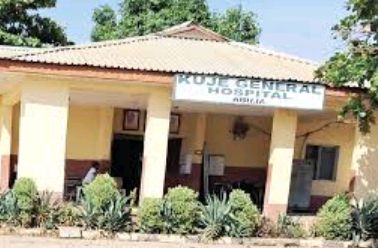
Nurses serving in the General Hospital of Kuje Area Council have emerged the best amongst others across the Federal Capital Territory (FCT) in the health care delivery. An award insignia from the FCTA Hospitals Management Board Nursing Department tagged it: “award of Efficiency and Responsiveness.” It said that the award has been conferred on Nurses in Kuje General Hospital “in recognition of their exceptional synergy, responsiveness and unwavery commitment to administrative excellence.”
It added: “with coordinated teamwork, effective and swift action, the (Nursing) unit has consistently upheld the highest standard, setting a benchmark for health care delivery within the federal capital Territory for the 2025.” The award, dated March 31, 2026 was signed by the Director of Nursing Services in the Board. There are 14 general hospitals in the six Area Councils of the federal capital city, each with no fewer than 100 serving nurses. Meanwhile, the winning Kuje Nurses are already patting one another on the back for the feat even as they prayed that the authority would reward them for their dedication to the service of the health care delivery of the FCT Administration, led by Minister Barrister Nyeson Wike.
As Christians across Nigeria and the world celebrate Easter, the Guild of Interfaith Media Practitioners Nigeria (GIMP-Nigeria), has advised Nigerians to seize the spiritual significance of the season to promote religious tolerance and national unity. The group said that this is a pathway to sustainable socio-economic development. In a statement today, April 3, Director of Governmental Relations, Mallam Idris Abdullahi, said that the group wanted Nigerians to see Easter beyond its theological meaning, adding that it offers an opportunity for Nigerians to reflect on the values that bind the nation together. Abdullahi, who is also a member of the body’s Governing Board, noted that in a country as religiously and culturally diverse as Nigeria, mutual respect and peaceful coexistence remain indispensable for progress. He noted that, over the years, religious intolerance has contributed to social fragmentation, insecurity, and economic stagnation in parts of the country. He said that GIMP-Nigeria insisted on interfaith harmony which is not only a moral obligation but also a strategic necessity for national development. “No nation can achieve meaningful socio-economic growth in an atmosphere of suspicion, division, and conflict. Peaceful coexistence among religious groups creates the enabling environment for investment, innovation, and inclusive governance.” He called on religious leaders, media practitioners, civil society organisations and government institutions to use the Easter season as a platform to amplify messages of peace, dialogue, and understanding. GIMP-Nigeria, he said, urged faith leaders to preach sermons that emphasise tolerance, compassion, and respect for human dignity, regardless of religious affiliation. He also highlighted the critical role of the media in shaping public perception and promoting interfaith dialogue. It encouraged journalists to adopt responsible reporting practices that avoid sensationalism and instead promote narratives that unite rather than divide. ‘The media must rise above divisive tendencies and become a force for national cohesion. Through balanced and ethical reporting, we can build bridges of understanding among Nigeria’s diverse communities.” He appealed to Nigerians, especially the youth, to reject hate speech, misinformation and extremist ideologies that threaten the country’s unity. He also advised citizens to embrace the spirit of Easter by showing kindness, forgiveness, and solidarity with one another, saying that Nigeria’s strength lies in its diversity and that harnessing this diversity through religious tolerance is key to unlocking the nation’s vast socio-economic potential. “Let this Easter be a kicker to our resolve to collectively choose peace over conflict, dialogue over discord, and unity over division.”
Chairman of the Independent National Electoral Commission (INEC), Professor Joash Amupitan has reminded those demanding that he should be sacked or resign that they are attacking the Constitution of the Federal Republic of Nigeria. “Any call for my removal outside the constitutional process amounts to a direct assault on the independence of the nation’s electoral umpire.” In a statement reacting to the demand by the national chairman of the African Democratic Congress (ADC), Senator David Mark for his sack or resignation, Professor Amupitan said that INEC came into existence under the 1999 Constitution (as amended) and that his appointment, tenure and removal as Chairman and that of the National Commissioners are clearly provided for under Section 157 of the Constitution. Professor Amupitan insisted that INEC was right in disowning the leadership of the ADC, adding he is not in office at the pleasure of any political party or interest group. He said that INEC’s decision to comply with the judgment of the Court of Appeal in the case of the ADC was to avoid a repeat of past experiences where disobedience of court orders led to grave consequences. He recalled situations in Zamfara and Plateau States where elected officials were removed by election tribunals on account of non-compliance with court judgments. He also referenced a preservative order restraining the Commission from taking steps that could render pending processes before the Federal High Court nugatory, saying that monitoring the congresses or convention of the David Mark-led faction would have amounted to disobedience of that order. According to Professor Amupitan, INEC had initially accepted and approved the David Mark Executive Committee on September 9, 2025, seven days after the matter was filed at the Federal High Court and that the order to maintain status quo ante bellum required adherence to the position of parties before the dispute escalated. He said that Section 287(2) of the Constitution mandates every authority in Nigeria not only to obey but also to enforce the judgments of the Court of Appeal. Responding to allegations that 8NEC actions undermine the multi-party system, he described the claims as unfounded. He pointed to the recent registration and recognition of three new political parties, bringing the total number of active political parties to 22, as evidence of INEC commitment to expanding democratic space. The Commission chairman stressed that INEC remains a neutral regulator and not a participant in political competition. On the planned nationwide voter revalidation exercise, Professor Amupitan condemned attempts to politicise what he described as a professional and administrative necessity. According to him, the decision to revalidate the National Register of Voters predates his appointment as Chairman and is aimed at strengthening the integrity of the register, which contains data spanning from 2011 to 2024. He said that the exercise is designed to confirm the status of registered voters, address issues arising from transfers, multiple registrations and deceased persons and enhance the reliability of voter data. He said that the revalidation is an administrative audit, not a fresh registration, and is not targeted at any region, party or demographic group. According to him, the exercise will be conducted uniformly across all Local Government Areas and Polling Units, with robust digital options to ensure ease of access. The chairman said that detailed modalities for the exercise will be made public in due course and that all stakeholders will be fully carried along. He said that the Commission is currently focused on preparations for the Ekiti State governorship election in June 2026 and the Osun State governorship election in August 2026, assuring Nigerians that he will not be distracted by unfounded allegations of collusion or bias. Reaffirming his commitment to constitutionalism and the rule of law, the Commission chairman said that decisions are based on thorough evaluation and in alignment with the legal framework governing the operations.
National chairman of the African Democratic Congress (ADC), Senator David Mark has made it clear that the Independent National Electoral Commission (INEC) has no power to determine who leads the party and any other political party in Nigeria. He said: “INEC does not have the power to determine for any political party who its leaders should be.” Speaking at a world press conference today, April 2, in reaction to INEC’s announcement yesterday that it did not recognize any leader of the ADC, David Mark said that there was no time that the ADC did not have a duly constituted leadership. In the text of the world press conference titled: “this attack on democracy will not stand,” Senator David Mark accused INEC of being “irredeemably partisan, working, as it were, towards a preconceived agenda. With its action, this INEC has left no one in doubt that it has chosen the path of dishonour and has become complicit in undermining Nigeria’s democracy. “It therefore can no longer be trusted.” The ADC collectively demanded the immediate resignation or sack of the INEC Chairman, Professor Joash Amupitan, and all the National Commissioners. “We no longer have confidence in them. We are convinced that they are incapable of conducting any credible election.” Senator David Mark made it clear that the party would continue with its activities, including the National Convention scheduled for April 9 with all the officers intact, warning that INEC should be held responsible for whatever ugly incidence that may crop up. The full text of David Mark’s world press conference is reproduced hereunder: On behalf of the African Democratic Congress (ADC), and lovers of democracy, I welcome you all to this world press conference. Since 1999, Nigeria has been under democratic rule. After 27 years, we thought we could proudly celebrate the entrenchment of democracy, believing that the country’s dictatorial past has receded into history. Our experience in the past three years or so since President Bola Tinubu came to power has however confirmed otherwise. Democracy is only sustained by the quality of freedom that it offers and guarantees, especially the freedom to choose, the freedom to participate, and the freedom to associate. These freedoms are so critical to democracy that without them, democracy dies. Yet, in the past three years, we have witnessed a relentless assault on these very freedoms. The agenda is very clear, to create a situation where, in 2027, President Bola Ahmed Tinubu emerges as the only option left for the people, despite the widespread suffering and wanton killings going on across the country. The twin challenge of deepening poverty, and worsening security situation in the country did not just happen. They are direct consequences of the failure of this government. They know that Nigerians will not want this to continue. They know Nigerians will vote them out. This is why they would do anything to hang on to power by hook or crook. Background to the Coalition The coalition of opposition parties came about as a result of a collective search for democratic freedom and the desire to resist what was clearly a relentless assault on opposition political parties. The coalition leaders decided to come together under ADC to save multi-party democracy in Nigeria and rescue Nigeria from what was clearly an emerging dictatorship. We did not come to the ADC by chance. We did our due diligence. We fulfilled all the party’s constitutional requirements, as well as all wider requirements under the laws that guide the management and operation of political parties. In furtherance of this process, a NEC meeting was convened on July 29th, 2025, monitored by INEC officials. One of the conclusions of that NEC meeting was the dissolution of the National Working Committee of the party, and the ratification of a caretaker committee to take over the affairs of the party, with my humble self, David Mark, as the National Chairman; Ogbeni Rauf Aregbesola as the National Secretary; as well as others who have since been serving as officers of the party. In addition to witnessing this process that brought in the new leadership of the party, a formal report of these resolutions was subsequently communicated to the Independent National Electoral Commission (INEC). On September 9th, 2025, INEC then uploaded the names of the relevant NWC members of the party, based on the NEC resolutions. One of the officials in the dissolved NWC was Nafiu Bala, who was one of the Deputy National Chairmen of the party. It is on record that Gombe resigned this position on 17th May, 2025. His resignation was also duly transmitted to INEC on the 12th of August, 2025. Regardless of his resignation, he decided to approach the courts on September 2nd, 2025, four clear months after his resignation, seeking to be recognised as the Chairman of the ADC. What this means is that by the 2nd of September, when he approached the courts, INEC was already aware that Secretary Aregbesola and I had been inaugurated on the 29th of July in a process monitored by INEC. INEC was also aware that Gombe had resigned his position before the said inauguration on the 29th of July. While this matter was in court, our team of lawyers approached the Court of Appeal, challenging the jurisdiction of the Federal High Court. In rejecting the appeal, the Court of Appeal ordered the parties including INEC to maintain the status quo ante bellum. After this ruling on March 12th, 2026, we noticed a flurry of activities by lawyers associated with Nafiu Bala, requesting INEC to recognise him as the new chairman, or to de-recognise Aregbesola and I as the secretary and chairman respectively, in a curious interpretation of what constitutes status quo ante bellum. But we knew all along that Nafiu Bala and his lawyers were not acting on their own volition. They had become willing tools in the hands of a ruling party that had lost all support and goodwill of the Nigerian people; a government that had become desperate to cling on to power by all means even if it meant throwing the country into avoidable crisis. In the past couple of months, ADC has become the only viable opposition party left in Nigeria. But this APC government does not want any opposition. While we were fully aware of all their desperate plans, we remained confident that no level of desperation would have driven the government and the INEC to take a direct action against the ruling of the court. But we were wrong. It was therefore to our surprise, yesterday, 1st of April, that INEC issued a press statement after the close of business hours, announcing that it had decided to withdraw recognition for both the ADC leadership, which I head, and the fictitious one purportedly led by Nafiu Bala, thereby creating a false equivalence between the parties. By purporting to recognizing Nafiu Bala as a faction, INEC seems to have conveniently forgotten that this individual had resigned his position, to the knowledge of INEC itself. The Legal Position The crux of the matter is the interpretation of what constitutes status quo ante bellum, which the Court of Appeal directed should be maintained. From all authoritative counsel at our disposal, there is no legal interpretation or precedent that could possibly lead to the outcome that INEC seeks to foist on our party. Based on its press statement of yesterday, INEC is pretending to be confused as to what constitutes the status quo ante bellum. If this was so, under the circumstances, what one would have expected was for INEC to approach the Court of Appeal to request a judicial interpretation of what truly represents the status quo under the circumstances. But it did not do this. While posturing to be neutral, its actions confirm that it has become irredeemably partisan, working, as it were, towards a preconceived agenda. With its action, this INEC has left no one in doubt that it has chosen the path of dishonour and has become complicit in undermining Nigeria’s democracy. It therefore can no longer be trusted. What we say in essence is this: INEC cannot choose to fix the status quo from the day it took the administrative action to upload the names of the new ADC officials on its website, because INEC does not have the power to determine for any political party who its leaders should be. That decision was taken on July 29th, not on September 9th. With its press release yesterday, INEC has invented a status quo that never existed, because there was no time that the African Democratic Congress (ADC) did not have a duly constituted leadership. What INEC has done is to create a situation that, by its own curious logic, leaves the ADC without leadership. This certainly cannot be the status quo that the Court of Appeal directed should be preserved. It is an INEC invention that is not known to any Nigerian law. There is only one conclusion that Nigerians can draw from the April 1st action taken by INEC: THE ELECTORAL UMPIRE HAS TAKEN SIDES. IT CAN NO LONGER BE TRUSTED. As a matter of fact, INEC has acted in contempt of the Court of Appeal and has therefore acted unlawfully. My fellow democrats, distinguished ladies and gentlemen. It is not the ADC that is under attack. This is a direct assault on Nigeria’s democracy and the right of Nigerians to choose, participate, and exercise their rights as free citizens. We have witnessed how the APC-led Federal Government has undermined, compromised, and coerced other opposition political parties. The ADC has risen as the last bastion between Nigeria’s democracy and full-blown dictatorship. And this is what worries them. What is now unfolding is a concerted effort to dismantle that last bulwark. If we allow this to happen, it could signal the end of our democracy as we know it. If we yield to it, we would have become complicit by our inaction. We therefore hold it a duty to our democracy and the Nigerian people to say “no”. Right now, I speak to Nigerians at home and in diaspora. I also speak directly to President Bola Ahmed Tinubu: with 90% of the National Assembly and over 30 of Nigeria’s 36 Governors in the APC, President Tinubu, what are you afraid of? If you are convinced that you have done well for the people who voted for you, why are you afraid of a free, fair, and transparent electoral contest? If you are indeed the democrat that you claim to be, why are you bent on destroying all opposition political parties? Let me reiterate for the record; there are no competing claims on the leadership of the ADC. Nafiu Bala has no locus whatsoever. INEC should have waited for the Court of Appeal to decide this matter. Instead, INEC went ahead to do the bidding of the ruling party. But let us be clear: the role of INEC over political parties is not administrative: it is not managerial: It is simply supervisory. For the avoidance of doubt, the leadership of ADC inaugurated at the 29th July 2025, NEC meeting remains the lawful leaders of the party. Party members and all Nigerians should therefore remain calm as there is no cause for alarm whatsoever. It is important to state the net implications of this decision taken by INEC, in case they had not thought of it, or they just do not care: First, by attempting to subvert the leadership of the ADC, INEC has already undermined our participation in the Osun and Ekiti elections taking place later this year. Secondly, we have our congresses starting on the 9th of April, 2026, ending with our convention on the 14th April, 2026. We have given due notice to INEC, and they have acknowledged receipt of that notice. This is what the law requires of us. Let us sound a note of warning. This INEC under Professor Joash Amupitan will be held directly responsible for whatever actions or reactions that follow this criminal path that it has chosen to take. Our demand is therefore clear: We demand the immediate resignation or sack of the INEC Chairman, Professor Amupitan, and all the National Commissioners. We no longer have confidence in them. We are convinced that they are incapable of conducting any credible election. Let us also make it clear: we are proceeding with our party programmes, because there is nothing under the law that makes INEC’s attendance, a mandatory requirement. We have duly served INEC notice, and we will proceed accordingly. We also call on the international community to take note of INEC’s actions of April 1st, and of the restraint we are exercising today. We urge them to recognise the clear threat to Nigeria’s democracy and stability, and to hold accountable those who are undermining the integrity of the electoral process. We call on Nigerians to defend our democracy. This is a defining moment. Stand firm. Speak out. Participate. Resist any attempt to impose a one-party state on Nigeria. Nigeria belongs to all of us, and together, we must protect it. It is often said, that the arc of history does not bend towards tyranny. It bends towards freedom. And no matter how long the night may seem, the morning will come. Nigeria will not be silenced. Nigeria will not be conquered. Nigeria is rising, ADC is rising. Sen. David Mark National Chairman African Democratic Congress April 2, 2926.
We use cookies on our website to give you the most relevant experience by remembering your preferences and repeat visits. By clicking “Accept”, you consent to the use of ALL the cookies.
This website uses cookies to improve your experience while you navigate through the website. Out of these, the cookies that are categorized as necessary are stored on your browser as they are essential for the working of basic functionalities of the website. We also use third-party cookies that help us analyze and understand how you use this website. These cookies will be stored in your browser only with your consent. You also have the option to opt-out of these cookies. But opting out of some of these cookies may affect your browsing experience.
Necessary cookies are absolutely essential for the website to function properly. This category only includes cookies that ensures basic functionalities and security features of the website. These cookies do not store any personal information.
Any cookies that may not be particularly necessary for the website to function and is used specifically to collect user personal data via analytics, ads, other embedded contents are termed as non-necessary cookies. It is mandatory to procure user consent prior to running these cookies on your website.


 Professor Yilwatda described the attack as barbaric, painful, unacceptable and a direct assault on our common humanity, stressing that the time has come for all stakeholders to move beyond routine condemnation and work deliberately and collectively to prevent any recurrence of such senseless violence.



 It added: “with coordinated teamwork, effective and swift action, the (Nursing) unit has consistently upheld the highest standard, setting a benchmark for health care delivery within the federal capital Territory for the 2025.”


Religious Harmony: Need For Govt, Others To Strike Strategic Partnership With Interfaith Media Group
There’s no doubt that Nigeria has long emerged as a nation of diverse faith, ethnicity and culture. In that context therefore, the pursuit of religious harmony has become not just a moral aspiration but a strategic imperative for national security and sustainable development.
Over the years, Nigeria has grappled with recurrent religious tension, misinformation and identity-based conflicts. Such tensions have continually threatened its unity and undermined its socio-economic progress.
These are the factors that have brought about the need for innovative, coordinated and credible platforms that can bridge the divides for the purpose of fostering dialogue.
The Guild of Interfaith Media Practitioners Nigeria (GIMP-Nigeria), which stands as unique intersection of media practice and interfaith engagement, stands as one of such platforms that deserves greater national attention and institutional support.
As a professional body made up of experienced journalists, editors, communication experts and faith-conscious media practitioners, the Guild is strategically positioned to influence public discourse, counter harmful stereotypes and promote narratives that emphasize co-existence, mutual respect and shared national values.
It must be stressed that so far, the great potential of the group has remained barely noticed and therefore underutilized.
It is therefore imperative for government institutions, faith leaders and interfaith non-governmental organizations (NGOs) to deliberately leverage GIMP-Nigeria as a partner in advancing religious harmony and strengthening national security.
It is a fact well known across the world that the role of the media in shaping perceptions is unquatifiable. This is backgrounded in the dictum which says that conflicts are not only fought on the ground but amplified or de-escalated through the media. For example, sensational reporting, biased framing and the spread of unverified information have, at times, exacerbated tensions between religious communities in Nigeria. Conversely, responsible journalism that prioritizes accuracy, balance and sensitivity can serve as a powerful tool for peacebuilding. This is where GIMP-Nigeria’s mandate becomes critical.
By promoting ethical reporting on religious issues and training media practitioners in conflict-sensitive journalism, the Guild can help transform the media landscape from one that sometimes fuels division to one that actively promotes unity.
For the Nigerian government, particularly agencies responsible for information, security and national orientation, partnering with GIMP-Nigeria offers a cost-effective and impactful strategy for peace promotion. Rather than relying solely on top-down communication approaches, the government can benefit from the Guild’s grassroots networks and professional expertise to disseminate messages of tolerance and counter extremist narratives.
Through joint campaigns, public enlightenment programmes and media training workshops, GIMP-Nigeria can serve as a trusted intermediary between the state and the citizenry, thereby enhancing credibility and public trust.
Faith leaders, who wield significant influence over millions of Nigerians also have a critical role to play. The fact can not be controverted that their messages reach only their immediate congregations, but by collaborating with GIMP-Nigeria, they can amplify their voices across wider audiences through structured media engagement.
The Guild can help translate sermons and interfaith dialogues into compelling media content: news features, documentaries, radio programmes and social media campaigns, reaching far audiences beyond the pulpit. This synergy can ensure that messages of peace are not confined to places of worship but become part of the national conversation.
Interfaith NGOs, many of which are already doing commendable work in promoting dialogue and reconciliation can also benefit from the media expertise that GIMP-Nigeria provides. Too often, impactful grassroots initiatives remain under-reported, thereby limiting their reach and replication. By integrating GIMP-Nigeria into their programmes, these organizations can enhance visibility, document success stories and influence policy through strategic communication.
The Guild’s members, trained in both media practice and interfaith sensitivity, are well-equipped to tell stories that inspire hope, challenge prejudice and highlight the dividends of peaceful coexistence.
Beyond collaboration, there is also a need for institutional support. Government agencies and development partners should consider funding capacity-building initiatives led by GIMP-Nigeria, including training programmes on conflict-sensitive reporting, fact-checking and digital literacy.
In an era where misinformation spreads rapidly through social media, equipping media practitioners with the skills to verify information and counter false narratives is essential for national security. GIMP-Nigeria can serve as a hub for such capacity-building efforts, ensuring that journalists and communicators across the country are better prepared to handle sensitive religious issues responsibly.
Moreover, the inclusion of GIMP-Nigeria in national peacebuilding frameworks and security strategies can enhance policy coherence. Too often, media engagement is treated as an afterthought in conflict prevention and response. Recognizing GIMP-Nigeria as a strategic partner can help mainstream communication into peace and security initiatives, ensuring that narratives are aligned with broader national objectives. This approach not only addresses the symptoms of conflict but also tackles its underlying drivers, such as mistrust, misinformation and identity-based polarization.
The private sector and international development partners also have a role to play. Corporate organizations, particularly those operating in conflict-prone areas, have a vested interest in promoting stability. By supporting GIMP-Nigeria’s initiatives as part of their corporate social responsibility, they can contribute to a more peaceful operating environment. Similarly, international donors working on governance, peacebuilding and media development can partner with the Guild to scale up its impact and share best practices across regions.
Ultimately, the quest for religious harmony and national security in Nigeria requires a whole-of-society approach. No single actor, whether government, religious institution, or civil society organization can achieve this goal in isolation. What is needed is a collaborative framework that leverages the strengths of each stakeholder. GIMP-Nigeria offers a ready-made platform for such collaboration, combining professional media expertise with a deep commitment to interfaith understanding.
As Nigeria continues to navigate its complex socio-political landscape, the importance of credible, responsible and peace-oriented communication cannot be overstated. By embracing and empowering GIMP-Nigeria, the nation has an opportunity to harness the power of the media as a force for unity rather than division.
The time to act is now.
Government agencies, faith leaders and interfaith NGOs must move beyond rhetoric and take concrete steps to integrate GIMP-Nigeria into their peacebuilding and security strategies.
In doing so, Nigeria will not only strengthen its internal cohesion but also set an example for other multi-religious societies grappling with similar challenges. Peace is not merely the absence of conflict; it is the presence of justice, understanding and mutual respect. Through strategic partnerships with institutions like GIMP-Nigeria, that vision can become a reality.
The writer, Yusuf Ozi-Usman is the Director of Programmes Development, and member of the Governing Board of the Guild of Interfaith Media Practitioners Nigeria (GIMP-Nigeria). He can be reached at oziusman@yahoo.com