Chairman emeritus of Daar Communications Plc, Chief Raymond Dokpesi, has been taken to court by Economic and Financial Crime Commission (EFCC) with six count charges, one of which is money laundering
Also charged to court with Dokpesi is Daar Holding and Investment Limited. He and his company were accused of violating the money laundering act, the EFCC Act and the public procurement Act.
The charges were filed today at the federal high court in Abuja. The owner of AIT and Ray Power Radio had earlier been arrested during which time he admitted to have received the sum of N2.1 Billion from former National Security Advisor (NSA), Colonel Sambo Dasuki (Rtd.).
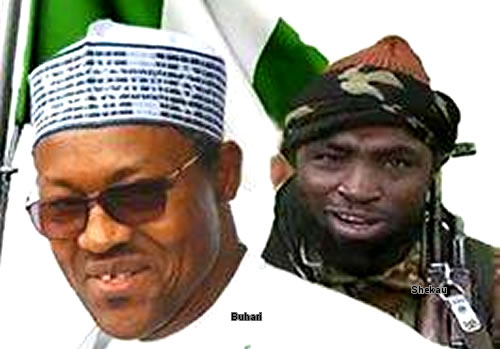
Dopkesi, who is currently on bail, played very prominent roles in the presidential campaigns. He used AIT to campaign against the candidacy of Muhammadu Buhari through paid documentaries that were produced by the Peoples Democratic Party (PDP). [myad]
The Kogi State Governor-elect, Alhaji Yahaya Bello has described his embattled deputy, James Faleke as his brother and that All Progressives Congress (APC) has the capacity to resolve the misunderstanding thrown up by the death of Prince Abubakar Audu during the election period.
Faleke was reported to have said that he would not attend the inauguration of Bello and not support him.
In a statement today in Abuja by his media assistant, Suleiman Abdulmalik, the governor-elect said that he believed in dialogue remains, saying that he has absolute confidence in the leadership of the party to end the disagreement.
He made it clear that the development remains a family affair, adding: “I will continue to appeal to him and others to join hands with me in moving Kogi State forward. In politics, we agree and disagree, but dialogue remains the only solution to issues.
“But what happened in my state is an act of God.”
Bello said that most of the supporters of the late governorship candidate of the APC, Prince Abubakar Audu, are now with him.
“Those who matter in Audu’s camp are already working for me even before the supplementary election and the reconciliation effort greatly helped in defeating the Peoples Democratic Party.”
The statement also advised Faleke to accept the outcome of the election as the wish of God.
“All hands must be on deck and we must rally round our candidate and the governor-elect, Alhaji Yahaya Bello. No winner no vanquished; we must continue as one united family that we are.
“Hon James Abiodun Faleke and other aggrieved party members should accept the new development as the wish of God. We plead with them to cooperate with Bello to develop the state in line with the vision of our late icon, Prince Abubakar Audu.
“The governor-elect is a humble man who will not discriminate against anyone within the party. All Kogites should pray for and work towards peace, stability and progress of the state. We are using this opportunity to emphasize the need for the people to support their leaders for the benefit of all.” [myad]
President Muhammadu Buhari has expressed discomfort in the way the governorship elections were held in Kogi and Bayelsa states recently.
The President, who received members of the newly elected Inter-Party Advisory Council (IPAC) Executive Committee in his office, said that it is unfortunate that there were still reports of unhelpful electoral attitudes in the elections held in the two states.
He also regretted that the electorate in some parts of the country were deprived the use of card readers and permanent voter cards during the last general elections, despite the enthusiasm that followed their introduction into Nigeria’s electoral system.
He called on Nigerians to support all necessary measures to ensure free, fair and credible elections in the country, including the use of card readers and permanent voter cards.
He advised members of IPAC to work hard to perfect the conduct of elections in the country even as he thanked them for their strong support for his candidacy in the build-up to the 2015 presidential elections.
The newly-elected Chairman of IPAC, Malam Bashir Yusuf, who is also the Chairman of the Peoples Democratic Movement (PDM), pledged the group’s support to President Buhari’s fight against insurgency and corruption in the country.
He also reaffirmed IPAC’s belief in the unity, progress and indivisibility of Nigeria. [myad]
The maiden edition of The Citizen Bank Performance Handbook 2015 has been released.
According to a statement issued today in Lagos by the Editor, Mr. Ezra Ikpeama, the research report, which is the first by THE CITIZEN, is an x-ray of the Nigerian banking sector, takes a look at the unfolding effects of the general economic slowdown on banks and the financial markets.
“The painstaking analysis was embarked upon for the purpose of drawing government and regulators’ attention to the critical issues in the economy deserving urgent attention. It is also aimed at unveiling the effects of these macro-economic developments and regulatory policies on the banking sector that constitutes the nerve centre of the economy. “The banking sector is yet to recover fully from the damaging effects of the last global financial crisis and has come under operating and regulatory pressures once again. Many banks that have been trying to find the recovery and growth path now have to begin struggling for survival once again,” he stated.
Ikpeama said that regulators have, as usual continued to give assurances of good health for the banks, but such assurances did not stop the financial distress and the eventual closure of a number of banks in the heat of the last financial crisis. “This report provides a timely observation that the adverse operating trends that hurt the financial health of banks before are in force once again.
“It calls for both strategic and innovative actions on the part of banks to shield their operations from the adverse economic trends and supportive regulatory actions to ensure adequate liquidity in the economy generally and prevent excessive competition in the banking sector”. Noting that nothing hurts banking operations as much as liquidity shortfalls, THE CITIZEN Editor added that loss of liquidity was the cause of the financial distress that led to the closure of many banks during the last financial crisis.
“Regulatory policies have again been moving in the direction of curbing bank liquidity over the past two to three years. The result is a general cut-down on investment portfolios and constrained growth in other earning assets.
“Inability to grow earnings assets is affecting bank income statements adversely by way of slowing revenue growth. Hardly has any bank been able to achieve accelerated growth in revenue since 2013,” he argued.
According to him, against decelerating revenue, two major cost lines were growing rapidly and these have been weakening profit capacity significantly.
“These are loan loss charges and interest expenses, which are claiming rising proportions of bank gross earnings. Rising loan losses reflects the general operating difficulties facing the economy, which calls for an urgent action on the part of the government to prop up economic activity generally.
“Rising cost of funds is a problem for industry, banks and businesses as well as consumers generally. A sustained move in the direction of low interest rates is needed to spur production and consumption forces in the economy,” he said. Ikpeama said that the policy of single treasury accounts has limited the ability to grow the asset side of the balance sheet. “Banks are applying various approaches such as rights issue, profit retentions and outright borrowings to meet the funding gaps created. There is a renewed effort to cut down operating cost, mostly through workers layoffs in order to compensate for the rising cost of funds and credit losses. The multiplier effects of declining corporate and government spending portends a serious danger to the economy. “The report shows details of how each bank is responding to the operating and regulatory challenges and the prospects for the full-year performance. It used a five-year track record of income statements and balance sheets of banks to establish the major operating trends.
“It also used the current year’s interim reports to project the likely full-year earnings outcomes.
“With average industry ratio benchmarks, the report makes it clear how each bank’s figures compare or contrast from the general industry picture. “The general industry trends as well as individual banks conditions should guide regulatory policies towards ensuring stability and healthy growth in the banking sector.
“They also provide a reliable guide to strategic decisions and actions on the part of the banks themselves. “The study also shows the various competitive leagues in the industry such as leadership by the size of the balance sheet, gross income and profit.
The performance charts show the ability to convert assets into revenue and revenue into profit. Banks that are leading by assets but are lagging by profit are losing asset profit margin more than the others. The analysis brings out clearly each bank’s cost to income relationship and shows how it is either helping or hitting the bottom line. “A major worrisome trend defined by the report is that both asset turnover and profit margin are declining in the industry. This is an unhealthy trend that needs to be checked otherwise declining profit capacity could degenerate into losses and rising loan losses could hurt bank capital adequacy ratios once again.
“The bearish trend the stock market has taken on banking stocks is a reflection of the growing uncertain outlook of the sector and regulators cannot afford to ignore this signal.
There is no room for pretence in a situation where the banking industry giants are fast becoming penny stocks,” he stated.
“Individuals, institutions and organizations who are interested in obtaining copies of the handbook are kindly requested to call the number: 0810 698 7846; or visit www.thecitizenng.com for more information”, the statement added. [myad]
Foremost African Financial Institution, Guaranty Trust Bank (GTBank) plc will reward a lucky student customer in one of the Nigerian tertiary educational institutions with a brand new Mini Cooper car during the 3rd edition of what it termed “GTCrea8 Mini Cooper giveaway.” The promo, which was launched in 2013, provides a platform for the Bank to reward one lucky GTCrea8 customer with a brand new Mini Cooper car. Information from the bank said that the raffle draw for the Mini Cooper giveaway has been scheduled to hold tomorrow, December 9, at the GTBank Head office in Lagos. The statement said that two such lucky GTCrea8 customers have been rewarded with a brand new mini cooper car since the launch of the campaign. “In 2013, Shalom Wigwe Elisha – a 2nd year student of medicine at the University of Lagos became the very first recipient of the prestigious car. Maryam Adebiyi – a student of Lagos state Polytechnic was the next to win the car in 2014. In addition to the car giveaway, 90 undergraduates have been rewarded with scholarships worth 150,000 each over the last 3 years. “This year, GTBank has continued its tradition of rewarding loyal customers with amazing prizes such as laptops, smart phones, free mobile data and cosmetic kits for aspiring make-up artists. The Bank has also awarded scholarships totaling N900,000 to 6 lucky students in the course of the year.” The statement quoted the banks Managing Director and Chief Executive Officer (CEO), Segun Agbaje as acknowledging that the younger generation hold the key to our economic future and as such must develop a habit of planning ahead, saving, and investing wisely. “The GTCrea8 platform,” Agbaje was quoted as saying: “is structured to assist students with their daily and future financial plans by enabling them develop valuable financial literacy and money management skills which subsequently prepares them for greater responsibilities in the years ahead.” The statement described GTCrea8 account as a trendy, card-based interest bearing account designed especially for undergraduates. “It is part of the Bank’s value proposition to deliver banking in a different way to young people by engaging them with fun, exciting and interactive activities such as musical Campus Storms and master classes which resonates with their unique demographics. The GTCrea8 train also stormed 21 tertiary institutions across the 6 geo-political zones in Nigeria reducing the cost of on-boarding to the students and promoting entrepreneurship for undergraduates. “GTBank has consistently played a leading role in Africa’s banking industry. The GTBank brand is regarded by industry watchers as one of the best run financial institutions across its subsidiary countries and serves as a role model within the financial service industry due to its bias for world class corporate governance standards, excellent service quality and innovation.” [myad]
Daily Sports, Nigeria’s first online sports daily, debuts tomorrow, December 9. A statement by the publisher, Isaac Umunna said that the new outfit would be dedicated to the effective coverage of sports and sports-friendly corporate organizations for their contributions to sports development. He said that the online newspaper would embark on breaking news and daily updates from around the world, adding that it has been test-run to critical acclaim since September 28. The publisher said that the outfit has diverse online readership that cuts across various age groups and status. The Daily Sports, he added, would cover a wide range of sports ranging from Football to Athletics, Basketball, Tennis, Golf, Table Tennis, Boxing and Grassroots Sports. “Daily Sports parades a team of accomplished sports writers, led by Isaac Umunna, who brings to the job almost three decades as a Sports Reporter and Editor. It subscribes to the highest journalism standards and is fast becoming a reference point in sports journalism.” It advised sports lovers, wherever they are, to log into www.dailysportsng.com everyday for exclusive stories and daily updates from around the world. [myad]
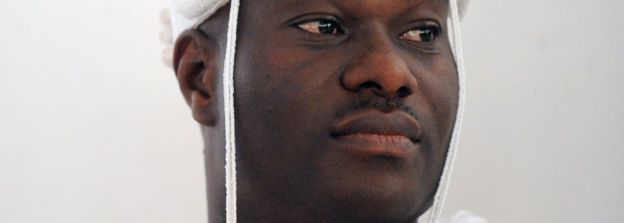
A 40-year-old accountant, Adeyeye Enitan Ogunwusi, has today, been crowned the new Ooni of Ife – a revered monarch.
The coronation and surrounding ceremonies was attended by thousands of people, including Nigeria’s Vice President Yemi Osinbajo, Governor Ambode, Governor Amosun, Former Governor of Lagos State Bola Tinubu, Olu of Warri, Sultan of Sokoto, Governor Rauf Aregbesola and Former President of Nigeria Olusegun Obasanjo. [myad]
The Presidency has assured Nigerians that President Muhammadu Buhari will not give his assent to the bill on anti-social media which is now being considered by the Senate of the Federal Republic. The bill is being sponsored by the Senate majority leader, Senator Uba Na’Allah.
A statement by the Senior special assistant to the President on media and publicity, Garba Shehu said that the President had nothing to do with bill.
Garba Shehu saidthat President Buhari had sworn to defend the constitution of Nigeria and would not lend his hand to anything that is inconsistent with the constitution.
“The President won’t assent to any legislation that may be inconsistent with the constitution of Nigeria.”
According to him, the President is not averse to lawful regulation, so long as that is done within the ambit of the constitution which he swore to uphold.”
“As a key component of democratic principles,” the President acknowledged that people in democratic societies “are so emotionally attached to free speech that they would defend it with all their might.”
Garba Shehu said that Buhar is fully aware of the public reservations about the proposed legislation but assured that there is no cause for alarm “because the Senate is a democratic Senate.” [myad]
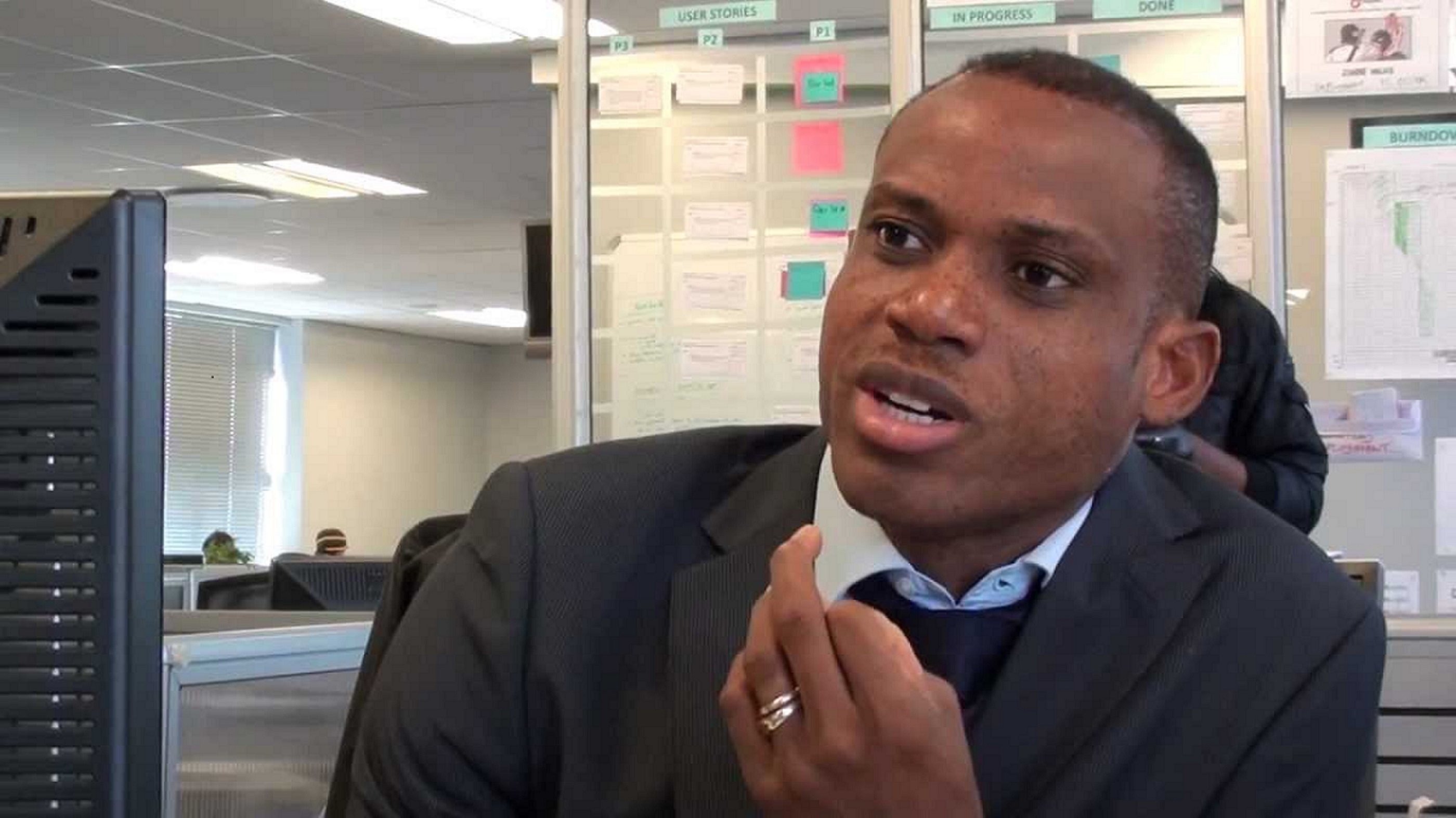
Head Coach Sunday Oliseh has invited 26 Super Eagles players to the camp ahead of next month’s 4th African Nations Championship in Rwanda.
The Super Eagles B has already been drawn into Group C of the competition alongside Niger Republic, Tunisia and Guinea, with matches to be played at the Stade Regional Nyamirambo in Kigali.
Invited players have been directed to report at the Bolton White Apartments, Wuse Zone 7, Abuja on December 14.
Nigeria won the bronze medal at the last African Nations Championship held in South Africa in early 2014.
The 4th edition runs between January 16 and February 7, 2016.
The full list of the players invited are as follows:
Goalkeepers: Ikechukwu Ezenwa (Sunshine Stars); Olufemi Thomas (Enyimba FC); David Obiazor (Heartland FC); Okemute Odah (Warri Wolves)
Defenders: Kalu Orji (Enugu Rangers); Austin Oboroakpo (Warri Wolves); Jamiu Alimi (Shooting Stars); Mathew Etim (Enugu Rangers); Stephen Eze (Sunshine Stars); Chima Akas (Sharks FC); Chris Madaki (Giwa FC)
Midfielders: Ifeanyi Mathew (El-Kanemi Warriors); Paul Onobi (Sunshine Stars); Usman Mohammed (FC Taraba); Bature Yaro (Nasarawa United); Osas Okoro (Enugu Rangers); Bartholomew Ibenegbu (Warri Wolves); Julius Ubido (Heartland FC); Ibrahim Salawa Attah (Shooting Stars); Christian Madu (Enugu Rangers)
President Muhammadu Buhari has confessed that despite the achievements of the military in combating Boko Haram terrorists in the North East, they still pose threat to his government change agenda.
“Despite the achievements of the military in combating terrorism in the North East, the challenge of terrorism in other parts of the country remains an issue of serious national concern with the potential to impede our change drive.”
Buhari, who was represented by the Chief of Defence Staff, General Gabriel Olonisakin, spoke today in Dutse, Jigawa State at the opening of the 2015 Annual Conference of the Chief of Army Staff.
The President acknowledged that the deadline given to the military to end terrorism in parts of the country was open to modification, saying: “let me emphasize that the time frame given should serve as a guide and if exigencies of multiple operations across the country requires modification, the Federal Government will not hesitate to do so in order to address the flash points that are emerging in parts of the country.
“The Nigerian Army must, therefore, develop strategies to address the current challenges facing the country and ensure total elimination of the insurgents.”
Buhari said the Federal Government would assess the present situation and act appropriately in order to end the menace of terrorism in the country, adding that the timeline was only a guide meant to guide the military operation.
He, therefore, charged the military to develop new strategies to address the emerging challenges in its operations.
The President reiterated the support of his administration to the Armed Forces in ensuring that they delivered on their mandates.
He commended the leadership of the armed forces and the Army in particular for ensuring professionalism and discipline among its ranks, which he noted, had impacted positively on its operations.
Buhari assured Nigerians that the recent gains recorded by the Armed Forces in the ongoing offensive against Boko Haram would soon restore sanity to the affected areas. [myad]
We use cookies on our website to give you the most relevant experience by remembering your preferences and repeat visits. By clicking “Accept”, you consent to the use of ALL the cookies.
This website uses cookies to improve your experience while you navigate through the website. Out of these, the cookies that are categorized as necessary are stored on your browser as they are essential for the working of basic functionalities of the website. We also use third-party cookies that help us analyze and understand how you use this website. These cookies will be stored in your browser only with your consent. You also have the option to opt-out of these cookies. But opting out of some of these cookies may affect your browsing experience.
Necessary cookies are absolutely essential for the website to function properly. This category only includes cookies that ensures basic functionalities and security features of the website. These cookies do not store any personal information.
Any cookies that may not be particularly necessary for the website to function and is used specifically to collect user personal data via analytics, ads, other embedded contents are termed as non-necessary cookies. It is mandatory to procure user consent prior to running these cookies on your website.



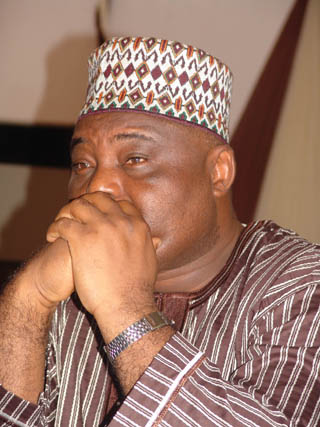 Chairman emeritus of Daar Communications Plc, Chief Raymond Dokpesi, has been taken to court by Economic and Financial Crime Commission (EFCC) with six count charges, one of which is money laundering