
We’ll Press Criminal Charges Against Premium Times – Gen. Buratai’s Lawyer
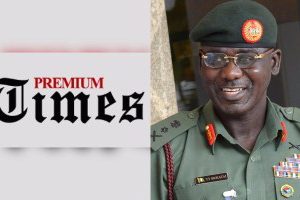 Counsel to the Chief of Army Staff Barr Ugochukwu Osuagwu has said that Police will soon file criminal charges against Premium times Publisher, Dapo Olorunyomi, and the reporter, Ms Evelyn Okakwu in what the lawyer called peddling of “injurious falsehood against the person of the Chief of Army Staff.”
In a statement denying the report that the Nigerian army and the Premium Times have resolved to end the impasse peacefully, the lawyer said that there was no such thing.
“No such statement was made by the FCT POLICE COMMAND nor the COMMISSIONER.
“What we had with the FCT Police Commissioner was a session to extract facts from both sides of the matter before the Police can proceed with filing criminal charges against Premium times Personalities involved in peddling injurious falsehood against the person of the Chief of Army Staff.
“In fact the three Count charges against the affected premium times staff were ready as at 5pm on Friday. They would be arraigned in Court this week. There is no such thing as peace meeting or reconciliation as claimed by Vanguard. This is a criminal matter and not civil where you reconcile.
Barrister Osuagwu said that it was embarrassing and unprofessional to publish a story that was not verified and for which the other party was consulted before the publication online.
“I hope you are all aware of the existence of the Cyber CRIMES ACT 2015 on the implication of such false online publications.”
This was even as Nigerian Guild of Editors (NGE) condemned the siege on the office of Premium Times and the arrest and detention of its operatives, describing it as unwarranted assault on the freedom of the press and undue interference.
A statement by the NGE President, Funke Egbemode and General Secretary, Victoria Ibanga said that the Guild is concerned about the growing clampdown, intimidation and frequent harassment of journalists by the police and other law enforcement agencies in the course of doing their lawful jobs.
The NGE expressed its displeasure and disappointment over the conduct of the officers concerned, adding that they are supposed to protect them from harm at all times.
“It is important to let overzealous security agencies know that harassment of media practitioners is inappropriate and capable of creating tension in an already tensed nation. It is an unkind reminder of the dark days of military rule, which witnessed concerted efforts to gag the press through unlawful detention of journalists without trial. Wielding the big stick and raiding newsrooms at will in a democratic setting are conducts of poor judgment and sad ways of reminding Nigerians of those days they would rather forget.
“May we also remind all security agencies that what ought to exist between the media and security is a symbiotic relationship that would promote peace and help both parties do their jobs effectively. This country belongs to all of us and we all must work hard to protect the integrity, peaceful co-existence and all that binds us together as one entity.
“The NGE is aware of the enormous responsibilities and functions of the media as an institution and would like to note that media practitioners are not above the law. Media practice is guided by rules and regulations and laws. There are options for any aggrieved person to seek redress if a media practitioner offends and libels him or her. Arrest and detention never end well. They only lead to strained relationship.
“It is important to tread cautiously and nurture Nigeria’s democracy for the benefit of all. Journalists should not be subjected to inhuman treatment for exercising their Constitutional right to freedom of expression and doing their jobs.
“We seize this opportunity to thank all those who caused the release of the affected journalists. As law-abiding citizens of Nigeria, we will continue to defend our democracy within the confines of what is right and legal and we implore all media practitioners in the country to continue to emphasize those things that unite us rather than things that divide us.” [myad]


 As Donald Trump took his oath of office on Friday and went on to give his inaugural speech. In it, I see a man whose controversial campaign promises is in tandem with his much ‘celebrated’ vision for his country.
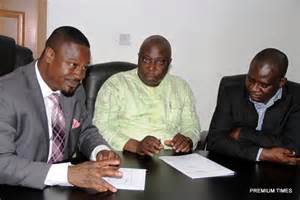 PREMIUM TIMES online medium operating from Abuja, Nigeria’s Federal Capital Territory has sent what looks like Vote Of Thanks (VOT) to all those who showed support and solidarity with it at the time its Chief Executive Officer and publisher, Dapo Olorunyomi and reporter, Evelyn Okakwu, were arrested by the Nigerian Police Force on Thursday, January 19.